



























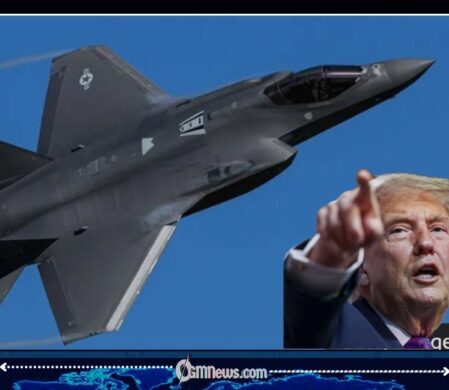
The fragile ceasefire between the United States and Iran came under renewed pressure after US forces launched fresh strikes targeting Iranian missile launch sites and boats allegedly attempting to place mines near the Strait of Hormuz. According to US Central Command, the operation was carried out in “self-defense” to protect American troops from threats posed by Iranian forces. The development immediately triggered questions across diplomatic circles about whether the ceasefire is surviving on policy or simply surviving on vocabulary.
US Says Iranian Missile Sites and Boats Were Targeted in Self-Defense Operation
US Central Command confirmed that the strikes focused on missile facilities and small Iranian vessels reportedly involved in mine-laying operations near strategic Gulf waters. Capt. Tim Hawkins, speaking on behalf of the command, stated that American forces were continuing to defend personnel “while using restraint during the ongoing ceasefire.” The wording itself quickly became part of the controversy, with critics questioning how military strikes and ceasefire language can coexist without redefining the meaning of peace.
Reports emerging from the Bandar Abbas region suggested explosions were heard near Iran’s southern coast around the same time. International observers noted that the targeted area sits near one of Iran’s most important naval positions overlooking the Strait of Hormuz, a critical global oil transit route. While Iranian authorities initially avoided issuing a direct military response, officials indicated that negotiations aimed at ending the broader conflict remain incomplete and highly fragile.
Ceasefire or Cover-Up? US Bombs Iran While Calling It “Restraint”
The latest escalation arrives during ongoing diplomatic efforts involving Qatar and regional mediators attempting to stabilize tensions between Washington and Tehran. Reports indicate that Iranian negotiators were simultaneously engaged in discussions regarding sanctions, maritime security, and broader conflict de-escalation while the strikes occurred. Analysts say the overlapping timeline has complicated perceptions of the ceasefire and raised concerns among allies watching the region closely.
The situation also highlights the growing strategic importance of the Strait of Hormuz, where even limited confrontations can affect international shipping, energy prices, and global political stability. Previous incidents involving drones, missiles, and naval patrols in the area have repeatedly demonstrated how quickly regional disputes can threaten wider economic consequences. Online reactions reflected widespread skepticism, with many commentators sarcastically describing the “ongoing ceasefire” as one of the busiest ceasefires in recent memory.
For now, the Donald J. Trump administration continues insisting that the strikes were limited defensive actions rather than a collapse of negotiations. Yet the renewed military activity has intensified doubts about how durable the ceasefire truly is. As talks continue and tensions simmer near one of the world’s most sensitive waterways, OGM News will continue monitoring whether diplomacy ultimately gains control of the narrative — or whether the word “ceasefire” becomes little more than political branding wrapped around another dangerous chapter in the Gulf crisis.



[…] […]