
























Donald J. Trump’s renewed confrontation with Canada appears to be producing an outcome that even the White House’s tariff calculators may not have predicted: instead of quickly forcing Ottawa into submission, the pressure is helping Canadian nationalism, strengthening Prime Minister Mark Carney’s political position and generating growing opposition inside the United States. The latest escalation includes 50% U.S. tariffs on about $20 billion of Canadian imports, Canadian retaliation scheduled for September 8, and Trump’s controversial order to rename Lake Ontario “Lake America.”
The bully discovers that Canada can punch back
Trump has repeatedly used tariffs and provocative rhetoric to pressure Canada, including his long-running suggestion that the country could become the 51st U.S. state. But Ottawa has refused to simply fold. Carney has answered the latest tariff escalation with dollar-for-dollar retaliation and has accused Washington of seeking terms that would undermine important Canadian industries and economic sovereignty.
The irony is becoming difficult to ignore. What was apparently intended as a demonstration of American dominance is increasingly becoming a demonstration of Canadian resistance. Reuters reports that Canadians are increasingly turning away from U.S. products and travel, while more than 70% in a recent Abacus Data poll supported Carney’s decision to suspend trade talks with Washington. In other words, the pressure intended to make Canada blink may instead be encouraging Canadians to stare back.
Even Americans are questioning the strategy
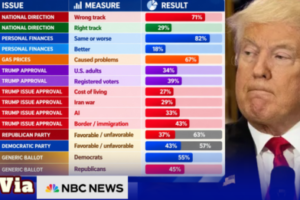
The political backlash is not confined to Canada. A Reuters/Ipsos poll of 1,023 U.S. adults found that 57% opposed Trump’s higher tariffs on Canadian goods, while only 20% supported them. The proposed renaming of Lake Ontario performed even worse: 63% opposed it and just 14% supported it.
And then came the geographic comedy with serious diplomatic consequences. Trump’s executive order changes the lake’s designation for U.S. federal usage, but it cannot dictate what Canada or the international community calls the body of water. Google and Apple have nevertheless adopted “Lake America” for U.S. users, while Canadian users continue to see “Lake Ontario.” With roughly 52% of the lake’s surface area in Canada, the naming dispute has become another symbol of a much larger argument about sovereignty.
The Trump administration’s Canada strategy therefore risks becoming a textbook example of political pressure producing the opposite of its intended effect. Rather than intimidating Ottawa into surrender, the confrontation is strengthening Canadian resistance, encouraging economic diversification and creating domestic political headaches for Trump. Whether Washington and Ottawa eventually return to serious negotiations remains uncertain, but one thing is increasingly clear: the Canadian target did not simply stand there waiting to be bullied. OGM News will continue to watch this unusual North American showdown for further developments.



Its Amazing