










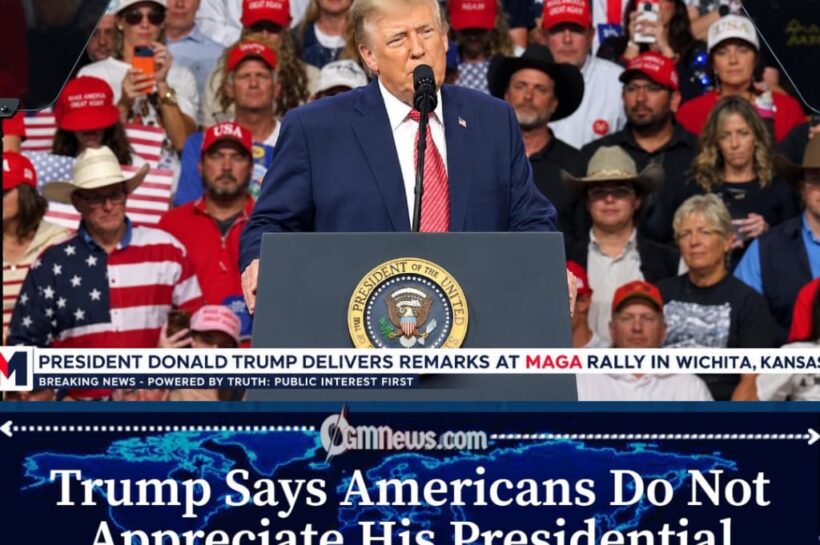




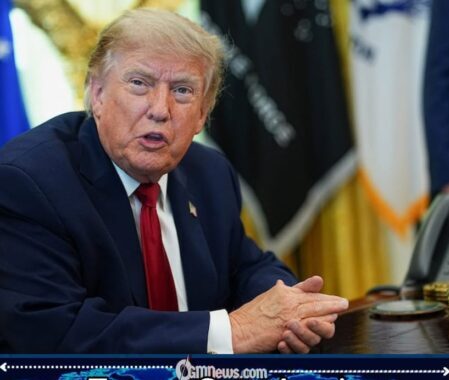
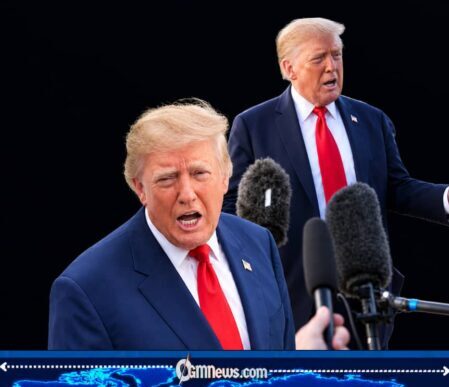
Trump–Iran relations returned to the global spotlight after President Donald J. Trump declared that the “denuclearization of Iran is moving along,” while pointing to declining oil prices, easing gasoline costs, and a resilient U.S. stock market as evidence that recent American military operations have not undermined the economy. His remarks come at a delicate moment, with diplomatic negotiations continuing alongside lingering geopolitical tensions, leaving analysts questioning whether economic optimism can translate into lasting regional stability.
Denuclearization And The Risk Of Accepting Peace
President Trump said oil prices had fallen to around $68 per barrel—below levels seen before the U.S. military campaign against Iran—and argued that the decline demonstrates market confidence despite the conflict. He maintained that the operation was intended to ensure Iran never acquires a nuclear weapon, adding that retail gasoline prices were also falling rapidly while the stock market continued to perform strongly. The president portrayed these developments as proof that the United States had successfully balanced national security objectives with economic stability.
The administration has repeatedly argued that military pressure, combined with diplomacy, has compelled Tehran to engage more seriously in negotiations over its nuclear programme. President Trump’s latest comments reinforce the White House’s position that the campaign has weakened Iran’s strategic leverage while avoiding the prolonged economic shock that many analysts initially feared. Nevertheless, independent verification of the full extent of Iran’s nuclear rollback remains limited, and negotiations continue over the precise mechanisms for monitoring and enforcing any future commitments.
Diplomacy Amid Uprising Fuel scarcity Nation Wide
Additional reporting indicates that indirect talks involving U.S. and Iranian representatives have continued in Doha with mediation from regional partners. The discussions reportedly cover not only nuclear restrictions but also maritime security in the Strait of Hormuz, sanctions, and broader regional stability. Although President Trump has expressed confidence that progress is being made, officials familiar with the negotiations caution that several key issues remain unresolved and that diplomatic engagement is still fragile.
Energy analysts have also urged caution in interpreting lower oil prices solely as evidence of diplomatic success. While crude prices have retreated from wartime highs, experts note that global oil markets remain highly sensitive to developments in the Middle East, shipping conditions through the Strait of Hormuz, refinery capacity, and broader economic demand. Likewise, gasoline prices at the pump do not always decline immediately when crude oil prices fall because refining, transportation, and retail costs also influence consumer prices. These factors provide important context to the president’s claims and illustrate why market movements alone cannot be viewed as definitive proof of long-term geopolitical stability.
As Trump–Iran diplomacy enters another critical phase, the coming weeks are expected to test whether optimistic rhetoric can be matched by verifiable agreements and lasting regional security. OGM News will continue monitoring developments surrounding denuclearization, energy markets, and ongoing negotiations as officials work toward what could become one of the most consequential diplomatic outcomes of President Trump’s current administration.

Logging in is a breeze and the site stability is amazing even during peak hours....