

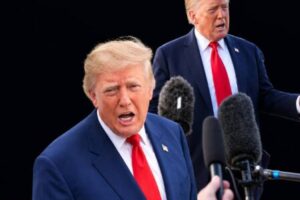



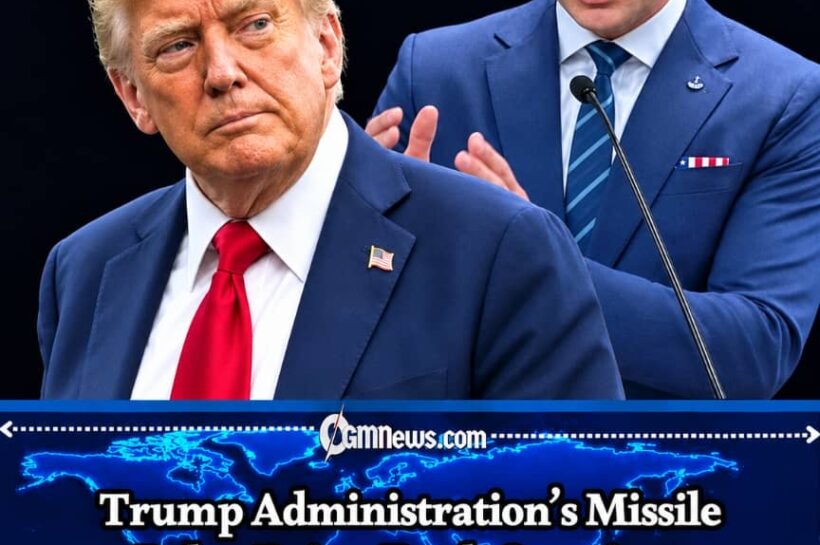




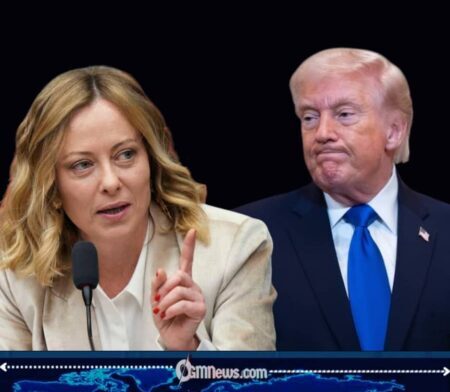
U.S. President Donald Trump has issued a stark warning about the potential consequences of Iran acquiring nuclear weapons, suggesting that allies such as Italy could face severe threats. His remarks were met with a measured but firm response from Italian Prime Minister Giorgia Meloni, who emphasized caution and challenged the tone of escalating rhetoric.
The exchange highlights growing differences between Washington and European leaders over how to address the Iran crisis, particularly on the balance between military deterrence and diplomatic engagement. It also underscores rising tensions within traditionally aligned political circles.
Trump’s Warning: Framing Iran as an Immediate Nuclear Threat
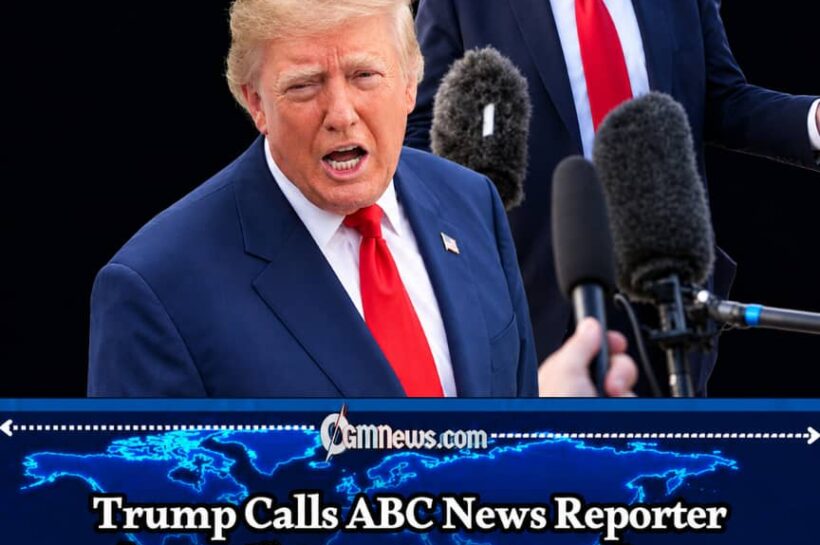
President Donald Trump has intensified his rhetoric regarding Iran’s nuclear ambitions, arguing that failure to act decisively could expose allied nations to serious risks. In his remarks, he suggested that countries like Italy could face rapid and devastating consequences if Iran were to obtain nuclear weapons.
The president’s comments reflect a broader strategy centered on deterrence and preemptive action. By highlighting worst-case scenarios, President Donald Trump has sought to justify a firm approach to the conflict, including military pressure and strict conditions in negotiations.
Supporters argue that such warnings are intended to underscore the urgency of preventing nuclear proliferation, while critics caution that the language may heighten tensions unnecessarily.
Meloni’s Response: Emphasizing Restraint and Historical Context
Giorgia Meloni responded by placing the nuclear issue within a broader historical and geopolitical framework. She noted that multiple nations possess nuclear weapons and emphasized that their use has been extremely rare, suggesting that discussions should remain grounded in realism rather than alarm.
Her remarks also reflected concern about the tone of international discourse, calling for responsible communication when addressing sensitive issues such as nuclear capability. Meloni’s approach aligns with a broader European emphasis on measured diplomacy.
While she did not dismiss the risks associated with nuclear proliferation, her response signaled a preference for cautious engagement rather than escalatory rhetoric.
Diverging Strategies: Military Pressure vs Diplomatic Balance
The exchange illustrates a fundamental divide in strategic thinking. President Donald Trump has advocated for a more assertive stance, arguing that strong action is necessary to prevent Iran from advancing its capabilities.
In contrast, Giorgia Meloni and several European leaders have emphasized the importance of maintaining diplomatic channels and avoiding steps that could lead to further escalation. This includes a focus on negotiations and multilateral cooperation.
These differing approaches reflect broader debates within the international community about how best to address complex security challenges.
Political and Diplomatic Fallout: Strains Among Allies
The public nature of the exchange has drawn attention to potential strains within transatlantic relations. Although the United States and Italy remain key allies, differences in tone and policy have become more visible.
President Donald Trump’s criticism of allied positions has raised questions about unity within Western alliances, particularly during a period of heightened global uncertainty. Giorgia Meloni’s response, meanwhile, reflects the need to balance domestic expectations with international commitments.
Analysts note that such disagreements, while not uncommon, can influence perceptions of cohesion and cooperation among allied nations.
Global Implications: Nuclear Discourse and Public Perception
The debate between President Donald Trump and Giorgia Meloni has broader implications for how nuclear risks are communicated and understood. Public statements by world leaders can shape both policy discussions and public opinion.
Experts warn that heightened rhetoric may contribute to uncertainty in global markets and increase anxiety among populations. At the same time, clear communication about risks is seen as essential to maintaining deterrence.
The challenge lies in striking a balance between conveying urgency and avoiding unnecessary escalation.
Context: The Iran Crisis and International Stakes
The ongoing tensions involving Iran remain a central factor in the dispute. Concerns about nuclear development, regional stability, and energy security continue to influence policy decisions.
President Donald Trump has framed the situation as requiring decisive action, while Giorgia Meloni has emphasized the importance of stability and long-term solutions. These perspectives reflect differing priorities but share a common goal of preventing further conflict.
The outcome of this debate may shape the direction of international efforts to address the crisis.
The exchange between President Donald Trump and Giorgia Meloni underscores the complexity of managing global security challenges in an interconnected world. While both leaders acknowledge the risks posed by nuclear proliferation, their approaches highlight contrasting philosophies on how to respond.
As discussions continue, the ability of allies to navigate these differences will be critical to maintaining stability and advancing shared objectives. The situation serves as a reminder of the delicate balance required in international diplomacy.

Logging in is a breeze and the site stability is amazing even during peak hours....