









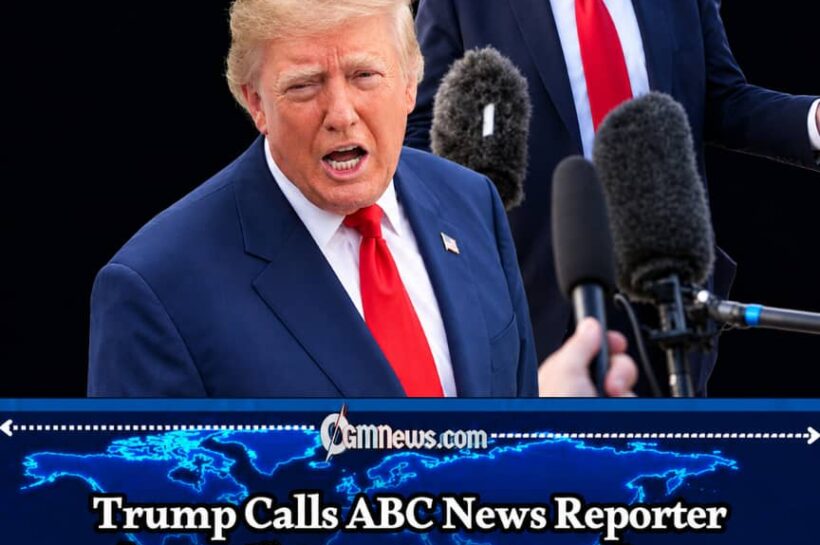






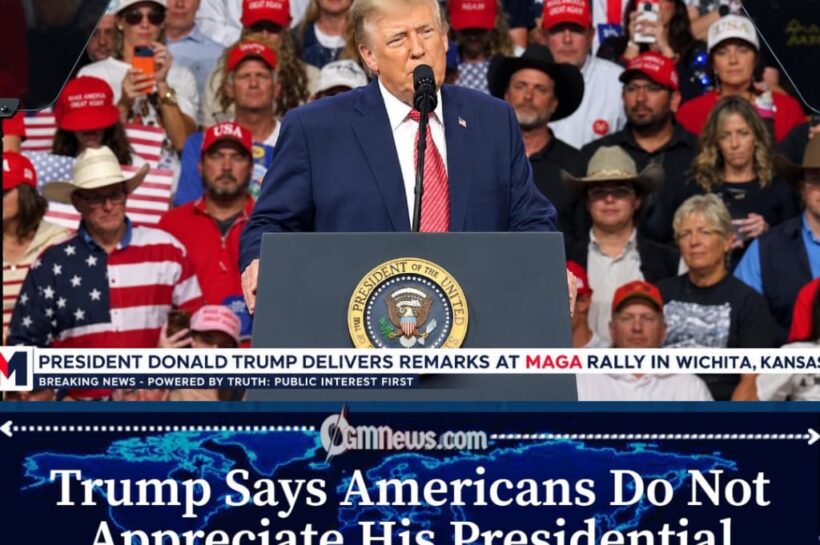
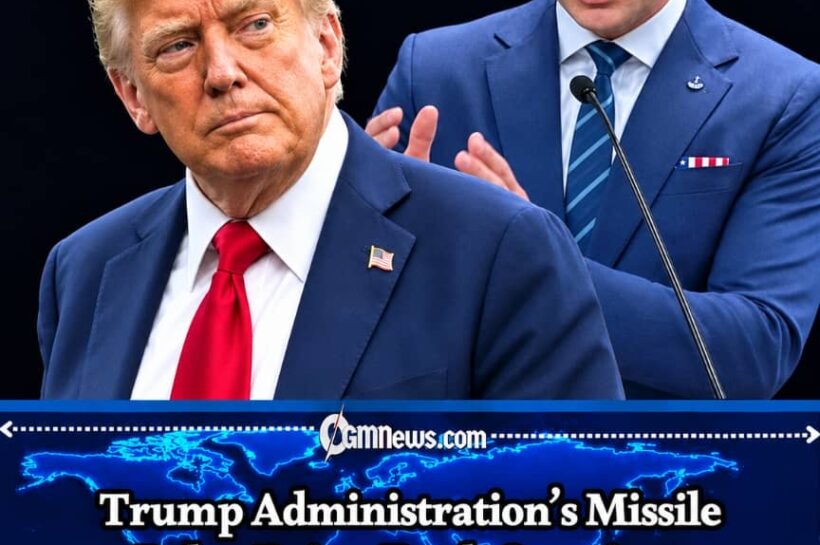




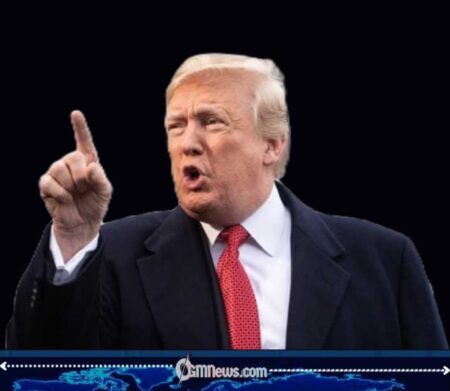
President Donald J. Trump has once again placed the stopwatch at the centre of Middle East diplomacy, with a statement attributed to him claiming that Iran could be eliminated in just two minutes if he gave the order. The provocative remark, supplied to OGM News, has been met with an equally fiery response attributed to Iranian Foreign Minister Abbas Araghchi, who reportedly reminded Trump that Iran has survived thousands of years of upheaval and decades of American sanctions. The exchange has quickly become a symbol of the extraordinary rhetoric surrounding the Iran conflict.
The confrontation comes against a much larger backdrop of military escalation. In June 2025, Trump publicly demanded Iran’s “unconditional surrender,” before ordering U.S. strikes on three Iranian nuclear facilities. Pentagon officials later described the operation as highly successful, although assessments differed over how extensively Iran’s nuclear program had actually been damaged.
Trump Turns Two Minutes Into the World’s Most Dangerous Stopwatch
Trump has repeatedly used forceful language when discussing Iran, and the idea of resolving a conflict involving one of the Middle East’s largest and oldest states in two minutes is certainly a dramatic contribution to the diplomatic stopwatch. In the supplied exchange, Trump’s confidence meets Araghchi’s historical counterargument: Iran, he argues, has survived far longer than any modern American administration.
The satirical irony is almost impossible to miss. Somewhere between Washington and Tehran, diplomacy appears to have misplaced the calendar and discovered a kitchen timer. Two minutes might be enough to boil water, send a text message or find the television remote—but eliminating a country is rather more complicated.
Trump Faces a Response Measured in Centuries
The reported response attributed to Araghchi invokes Iran’s long history and its survival through sanctions and decades of confrontation with the United States. Iran’s modern relationship with Washington has been deeply hostile since the 1979 Islamic Revolution and hostage crisis, while the two countries have repeatedly moved between threats, negotiations and military confrontation.
The seriousness behind the rhetoric should not be overlooked. U.S. strikes on Iranian nuclear facilities in June 2025 demonstrated that the confrontation could move from verbal threats to military action very quickly. Pentagon officials said the strikes caused significant damage, while an early Defense Intelligence Agency assessment concluded that Iran’s nuclear program had likely been delayed rather than completely destroyed.
For Trump, the exchange represents another chapter in his highly confrontational approach to Iran; for Tehran, it underscores a longstanding determination to portray Iran as a country that cannot simply be intimidated into disappearing. Whether the reported exchange is ultimately confirmed or remains political folklore, OGM News will continue watching the rhetoric, military developments and diplomatic responses surrounding Trump and Iran. In a confrontation where leaders are talking in minutes while history operates in centuries, the next chapter could be far more consequential than the stopwatch suggests.


Logging in is a breeze and the site stability is amazing even during peak hours....