




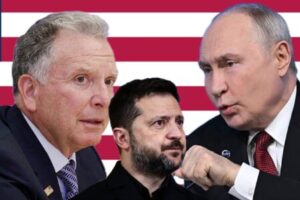










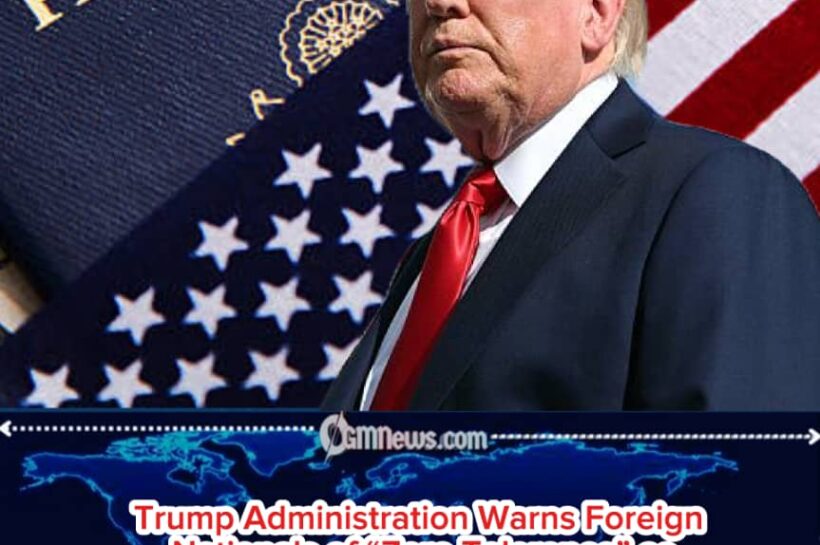

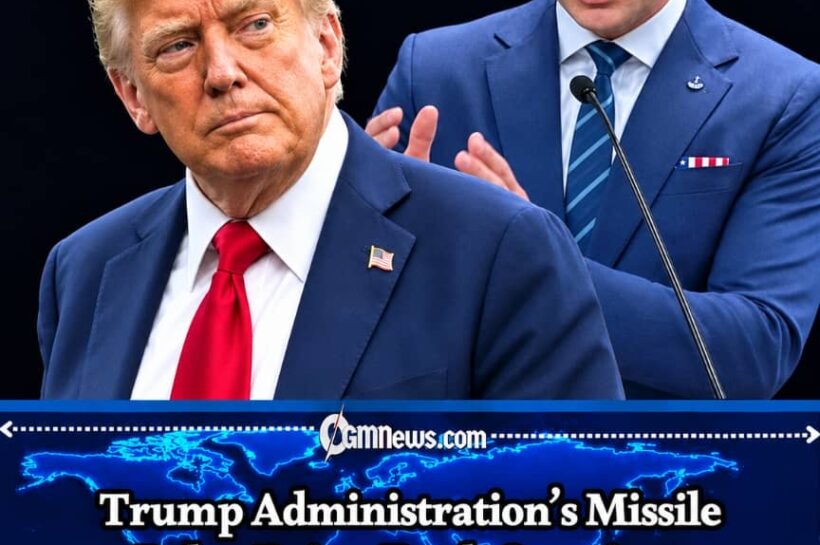




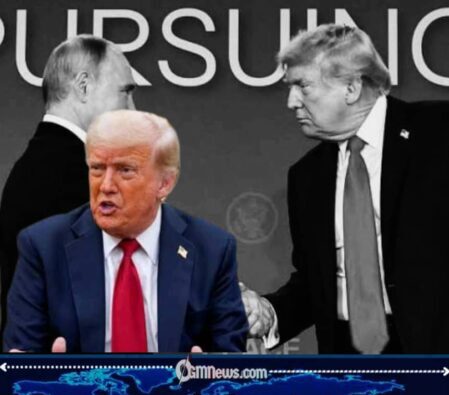
Putin became the focus of a fresh foreign-policy controversy after President Donald Trump declined to condemn Russian President Vladimir Putin when questioned about allegations of Russian espionage and sabotage targeting NATO countries. Speaking to reporters on Friday, Trump said he knew Putin “very well” and insisted that the Russian leader was not seeking to attack NATO territory.
Trump’s comments came as European governments face mounting concerns over suspected Russian hybrid operations, including espionage, sabotage and other activity below the threshold of conventional warfare. The timing is particularly striking because Russia has simultaneously intensified its military campaign against Ukraine, while Trump’s administration is attempting to push a new diplomatic initiative to end the conflict.
Trump Stands by His Assessment of Putin
Trump said he regularly speaks with Putin and relies on his understanding of the Russian leader when assessing whether Moscow intends to challenge NATO directly. “I speak to him,” Trump said. “I know him very well. Putin’s not looking to attack NATO territory.”
The statement effectively sidestepped the immediate question about alleged Russian espionage and sabotage against NATO members. One prominent case involves explosive-laden drones discovered at Germany’s Leipzig airport, which German officials have linked to Russia. European officials have also raised concerns about a wider pattern of sabotage and covert activity across the continent.
Europe Worries About Hybrid Warfare
Trump’s Putin assessment comes at a difficult moment for European security. Recent reporting describes a growing number of suspected Russian operations involving sabotage, cyberattacks, arson and espionage. European officials increasingly describe these activities as part of a broader form of hybrid warfare designed to pressure countries supporting Ukraine without triggering an open NATO-Russia conflict.
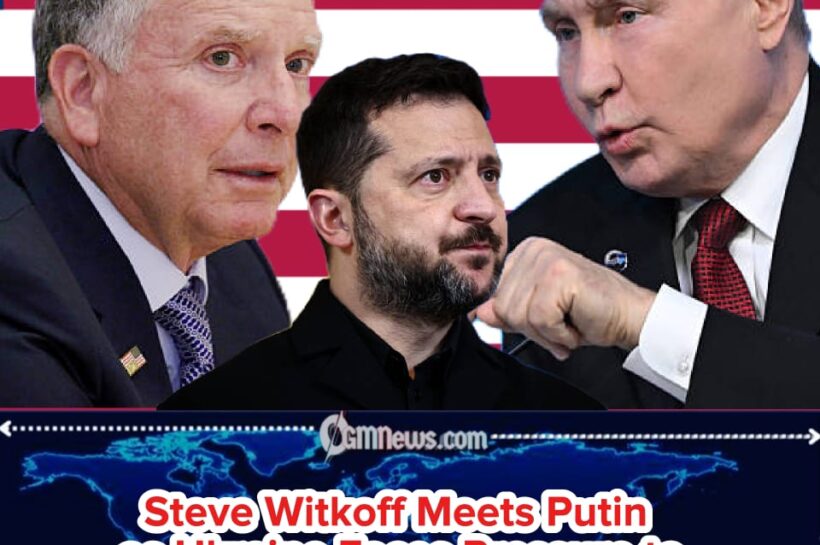
At the same time, Russia has continued its intense attacks against Ukraine. On Friday, a Russian drone struck the headquarters of Ukraine’s security service in central Kyiv, injuring people, according to Ukrainian officials. The incident occurred just as Trump’s special envoy Steve Witkoff and his son-in-law Jared Kushner were preparing for diplomatic visits to Moscow and Kyiv.
Trump has said the two envoys are carrying a proposal intended to end the Russia-Ukraine war. Their planned meetings with Putin and Ukrainian President Volodymyr Zelenskyy represent another attempt by the administration to find a diplomatic path forward, even as fighting and concerns about Russia’s intentions continue.
The central question now is whether Trump’s confidence in Putin’s intentions can coexist with Europe’s increasingly alarmed assessment of Russian activity. While an outright Russian attack on NATO territory remains a different proposition from alleged covert operations, European governments are clearly treating the broader security threat with growing seriousness.


Logging in is a breeze and the site stability is amazing even during peak hours....