



























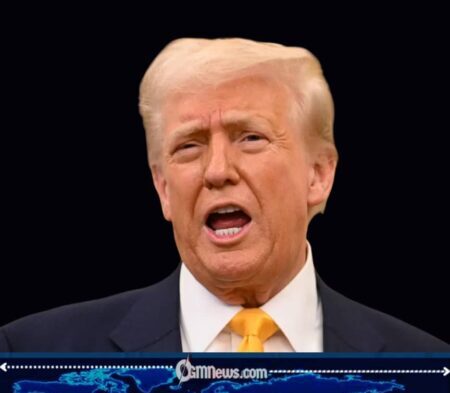
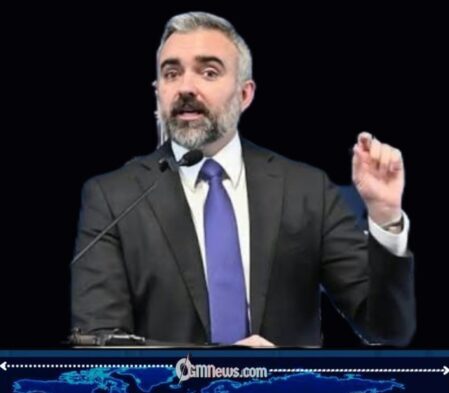
U.S. President Donald Trump, currently serving a second term, has issued a forceful warning to Iran, stating that the country could be “blown off the face of the earth” if it attacks U.S. ships guiding commercial vessels through the Strait of Hormuz.
The remarks, made during a televised interview, underscore the growing volatility surrounding one of the world’s most critical maritime corridors.
President Donald Trump’s statement comes amid escalating military activity and heightened geopolitical tension in the region. The warning reflects both a deterrence strategy and the seriousness with which the United States views threats to global shipping and energy supply routes.
Trump’s Position: Deterrence Through Strong Language
President Donald Trump framed his remarks as a clear message aimed at preventing further escalation. By emphasizing the scale of potential retaliation, he signaled that any attack on U.S. forces would be met with overwhelming military response.
According to administration officials and analysts, such language is intended to reinforce deterrence by making the consequences of aggression unmistakably clear. President Donald Trump has repeatedly stressed that safeguarding U.S. personnel and maintaining freedom of navigation are top priorities.
Supporters argue that firm warnings can reduce the likelihood of conflict by discouraging hostile actions, while critics caution that highly charged rhetoric may increase the risk of miscalculation.
Strategic Importance of the Strait of Hormuz
The Strait of Hormuz is one of the most vital maritime checkpoint in the world, serving as a passage for a significant share of global oil shipments. Any disruption in this narrow corridor can have far-reaching economic consequences.
Recent tensions have led to disruptions in shipping, prompting the United States to deploy naval resources to help guide commercial vessels safely through the region. The operation aims to restore confidence among shipping companies and stabilize the flow of goods.
Given its strategic importance, the Strait of Hormuz has long been a focal point of geopolitical rivalry, particularly between the United States and Iran.
Escalating Military Activity in the Region
Reports indicate that military encounters in and around the Strait of Hormuz have increased in frequency. Incidents involving naval vessels and smaller boats have heightened concerns about the potential for confrontation.
President Donald Trump’s warning comes against this backdrop of active tension, where both sides have demonstrated readiness to respond to perceived threats. U.S. forces have taken steps to secure maritime routes, while Iranian officials have issued counter-warnings regarding foreign military presence.
The situation remains fluid, with each development closely monitored by governments and international organizations.
Iran’s Response and Regional Implications
Iranian authorities have responded to U.S. actions by asserting their own claims over security in the region. Officials have warned that foreign naval operations could be viewed as provocative and have indicated that they would respond decisively to perceived violations.
The exchange of warnings between the two sides has raised concerns among regional stakeholders and global powers. Diplomatic channels remain active, but the tone of public statements suggests a high level of tension.
The implications extend beyond the immediate parties involved, affecting neighboring countries and international trade networks.
Global Economic Impact and Market Reactions
The uncertainty surrounding the Strait of Hormuz has had immediate effects on global markets, particularly in the energy sector. Fluctuations in oil prices reflect concerns about potential supply disruptions and the broader economic impact of instability in the region.
Businesses reliant on maritime trade have also expressed concern about rising costs and logistical challenges. Insurance premiums for shipping through the area have increased, further highlighting the economic stakes.
President Donald Trump’s warning, while aimed at deterrence, contributes to an environment where markets remain sensitive to geopolitical developments.
Diplomatic Efforts and the Risk of Escalation
Despite the strong rhetoric, diplomatic efforts to manage the situation continue. International actors are working to prevent escalation and encourage dialogue between the United States and Iran.
Analysts emphasize that maintaining open lines of communication is critical to avoiding unintended conflict. The combination of military presence and assertive language increases the need for careful coordination.
The balance between deterrence and diplomacy will play a key role in determining how the situation evolves in the coming weeks.
High Stakes in a Volatile Region
President Donald Trump’s warning highlights the high stakes involved in securing the Strait of Hormuz and maintaining global trade flows. While intended as a deterrent, the statement underscores the fragile nature of the current geopolitical environment.
As tensions persist, the challenge for policymakers will be to manage risks while preserving stability. The outcome will have significant implications not only for regional security but also for the global economy.

Logging in is a breeze and the site stability is amazing even during peak hours....