



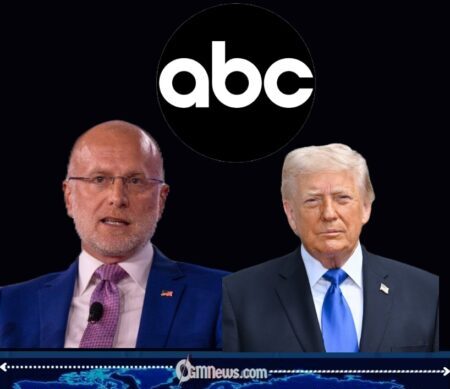
Free Speech has become the center of a rapidly escalating confrontation between ABC and President Donald J. Trump’s Federal Communications Commission, after lawyers representing the Disney-owned broadcaster accused the agency of using regulatory power to politically target “The View.” The dispute erupted publicly after the FCC intensified scrutiny over whether the daytime talkshow violated equal-time rules by featuring Texas Senate candidate James Talarico without offering the same platform to rival candidates. What may have once appeared to be a technical broadcasting issue has now evolved into a broader national argument over media independence, political pressure, and the limits of government oversight in modern television.
ABC’s Houston affiliate, KTRK-TV, responded with an unusually forceful legal filing accusing the FCC of threatening constitutional protections and undermining decades of established broadcasting precedent. The filing argued that forcing broadcasters to provide airtime to every political rival could discourage networks from covering elections entirely, particularly at a time when audiences increasingly consume political content through podcasts, streaming platforms, and social media rather than traditional television.
FCC Investigation Of ABC Sparks Political and Legal Backlash
The FCC’s investigation began after “The View,” which operates under ABC News, hosted Democratic Senate candidate James Talarico. FCC chairman Brendan Carr questioned whether the program still qualified for the long-recognized “bonafide news interview” exemption that traditionally shields certain talkshows from equal-time requirements. ABC insists the exemption remains valid and noted that politicians from different ideological backgrounds, including Republicans, have also been invited onto the program over the years.
In its filing, ABC warned that the commission’s actions could “upend decades of settled law and practice” while creating a chilling effect on political journalism. Lawyers for the network argued that enforcing equal-time standards too aggressively in today’s fragmented media environment would make meaningful political coverage nearly impossible for broadcasters. The filing also suggested that the agency’s focus on “The View” appears selective, with critics questioning why similar scrutiny has not been applied to politically charged conservative programming elsewhere in media.
Growing Debate Beyond Daytime Television
Free Speech concerns surrounding the case have expanded far beyond the studio audience of “The View.” Advocacy organizations and media analysts have framed the dispute as part of a broader conflict between the Trump administration and major news organizations. Jessica González of Free Press publicly urged ABC and Disney to continue resisting what she described as pressure against political expression, warning that retreating from the fight could weaken diversity of viewpoints in American media.
The dispute also arrives amid increasing FCC scrutiny of entertainment and political programming under Brendan Carr’s leadership. Earlier guidance from the commission suggested that late-night and daytime talkshows may no longer automatically qualify for equal-time exemptions, raising fears that other programs across broadcast television could face similar investigations. Legal experts have noted that such regulatory changes could dramatically alter how television networks approach political guests during election cycles.
Public reaction online has been sharply divided. Supporters of the FCC argue broadcasters should not receive special treatment when hosting political candidates, while critics describe the probe as government intimidation aimed at discouraging unfavorable coverage of the administration. Social media discussions have turned the case into a cultural flashpoint, with some users joking that daytime television now carries more political tension than Congress itself.
As the legal battle develops, ABC appears determined to resist what it views as regulatory overreach, while the FCC maintains it is simply enforcing existing broadcast law. Whether the investigation ultimately changes television policy or fades into another political controversy, the growing clash has already transformed “The View” from a daytime talkshow into a symbol in America’s ongoing argument over media power, government authority, and Free Speech.
Logging in is a breeze and the site stability is amazing even during peak hours....