








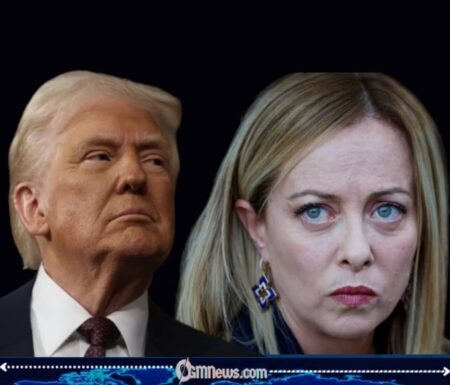
A growing diplomatic dispute between President Donald Trump, the current U.S. president serving a second term, and Italian Prime Minister Giorgia Meloni has brought new attention to divisions among Western allies over the expanding Middle East conflict. The disagreement intensified after Italy signaled that it could no longer fully support military cooperation linked to Israeli operations that have drawn increasing international criticism.
What began as a policy difference over regional security has now evolved into a wider political and diplomatic confrontation. Trump’s frustration with Italy’s position and Meloni’s insistence on distancing Rome from actions she believes carry severe humanitarian consequences have exposed tensions that could reshape relations between Washington and one of Europe’s most influential conservative leaders.
Trump Voices Frustration With Italy
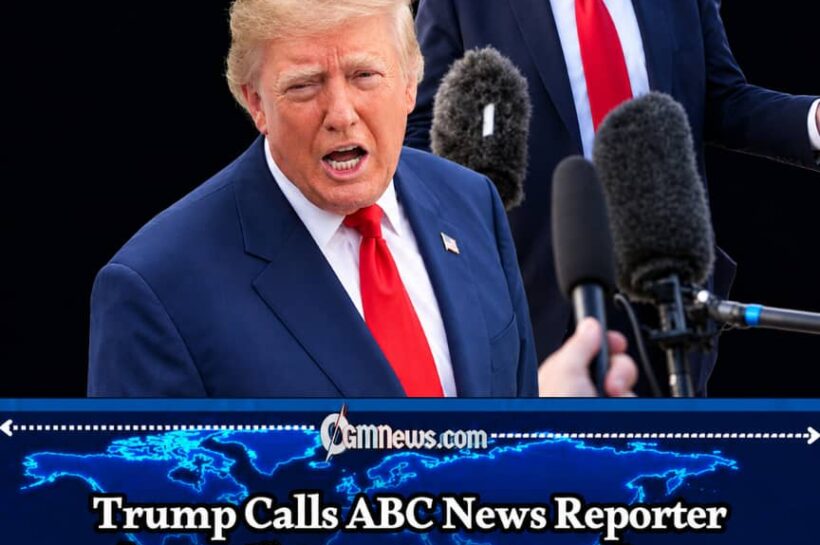
President Trump publicly expressed disappointment with Italy after the Meloni government declined to support broader American strategic objectives in the region. According to officials familiar with the discussions, Trump viewed Italy’s position as a departure from what had previously been a close political understanding between the two leaders.
The president reportedly said that nations unwilling to stand with the United States during a major geopolitical crisis should not automatically expect American support in future emergencies. Those comments reflected a sharper tone than previous disagreements between Washington and European capitals.
For many observers, the statement marked a significant change in Trump’s approach toward Meloni, who had often been viewed as one of his closest ideological partners in Europe.
Meloni Reconsiders Italy’s Position
Prime Minister Meloni responded by emphasizing that Italy must make decisions based on its own national principles and international obligations. While she did not sever relations with Israel, her government made clear that continued military cooperation could not proceed without closer review.
Italian officials said Rome could not ignore mounting concerns over civilian casualties and the broader humanitarian consequences of the regional conflict. The government’s language suggested a shift from automatic political alignment toward a more cautious and independent foreign policy.
Meloni’s position appears to reflect both domestic political pressure and growing concern among European leaders about being drawn deeper into an expanding regional confrontation.
Italy Suspends Defense Cooperation Review
One of the most notable developments came when Italy moved to suspend the automatic renewal of a defense cooperation agreement with Israel. The decision did not end bilateral ties but signaled that Rome was reassessing the relationship in light of recent events.
Government sources indicated that Italian officials were particularly concerned about incidents affecting civilians as well as risks to peacekeeping forces stationed in sensitive areas. The review was presented as a practical response rather than a dramatic break in diplomatic relations.
Nevertheless, the move was widely interpreted as one of the clearest signs yet that European governments are beginning to reconsider longstanding defense arrangements connected to the conflict.
A Wider Divide Among Western Allies
The disagreement between Trump and Meloni reflects a broader split among Western governments over how to respond to the war. Some allies continue to support a strong security partnership with Israel, while others are increasingly focused on the humanitarian toll.
Several European capitals have begun debating whether military cooperation should continue without stronger political conditions. The debate has become more urgent as civilian casualties and regional instability have increased.
For Washington, the dispute raises concerns that differences over the Middle East could begin affecting wider transatlantic cooperation on security and diplomacy.
Political Consequences at Home
Both leaders also face domestic political considerations. For Trump, taking a firm line allows him to project strength in foreign policy and reinforce his message that allies must demonstrate loyalty to the United States.
For Meloni, the challenge is more complex. She must balance her conservative political identity with public pressure in Italy, where concern over civilian suffering has become increasingly visible.
The dispute has therefore become more than a foreign policy disagreement. It now carries political implications for both leaders at home as each seeks to defend their decisions before their own voters.
What the Diplomatic Rift Could Mean Next
Analysts say the Trump–Meloni disagreement may have consequences beyond the current conflict. Relations between the United States and Italy remain strategically important within both NATO and the European Union, making any sustained tension closely watched by other governments.
If the dispute deepens, it could complicate future cooperation on defense policy, sanctions and broader Middle East strategy. Diplomats are now watching to see whether both sides can prevent the disagreement from becoming a longer-term rupture.
For now, the conflict has revealed how quickly international alliances can come under strain when national interests and humanitarian concerns begin to diverge.

Logging in is a breeze and the site stability is amazing even during peak hours....