




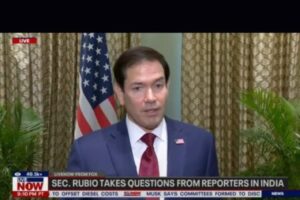


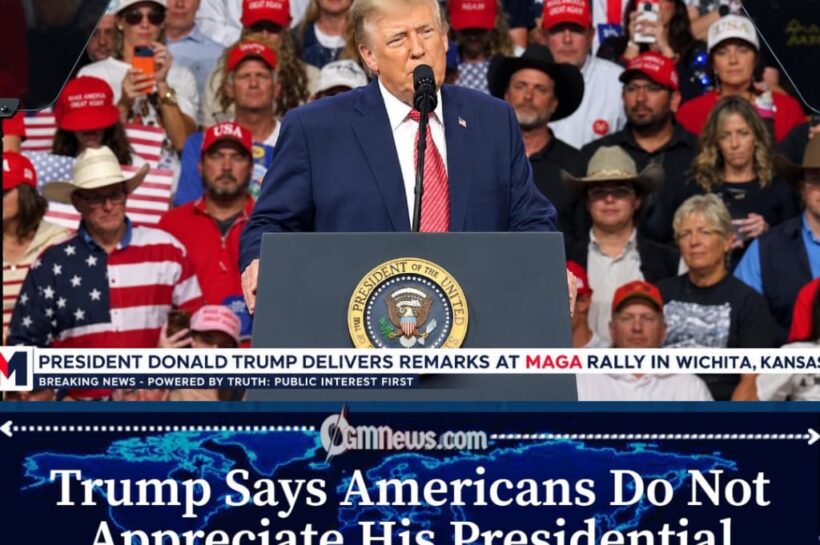




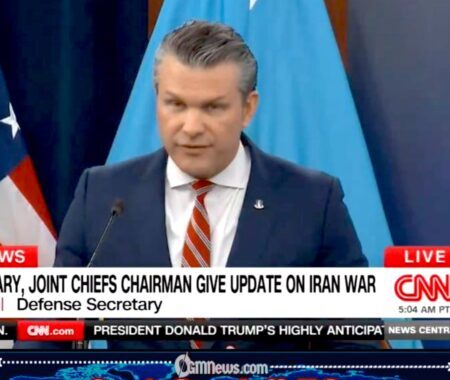
Strait Standoff tensions erupted into sharp focus after comments from a U.S. official accused Iran of attempting to block international shipping routes, describing the move as “unacceptable” and akin to global extortion. The statement, delivered with urgency, framed the situation as a clear-cut case of aggression—yet beneath the surface, a more complicated narrative continues to unfold, raising questions about the origins of the conflict and the motivations behind the messaging.
Strait Standoff: Escalating Claims and Competing Narratives
Strait Standoff rhetoric has become a central feature of the unfolding crisis, with officials from the United States asserting that free navigation through strategic waterways must be protected at all costs. The framing positions Iran as a destabilizing force, allegedly threatening global trade and economic stability by leveraging its geographic advantage.
However, critics argue that such claims overlook the broader context in which the tensions arose. Analysts point to earlier military and political decisions that may have contributed to the escalation, suggesting that labeling Iran as the sole aggressor simplifies a far more complex chain of events. This divergence in perspectives has fueled a growing debate over whether the current narrative reflects reality or strategic messaging.
Broader Context and Global Implications
Strait Standoff developments are unfolding against a backdrop of longstanding geopolitical friction in the region, particularly involving vital shipping corridors that handle a significant portion of the world’s energy supply. Disruptions in these areas have historically triggered global economic anxiety, making even the suggestion of interference enough to rattle markets.
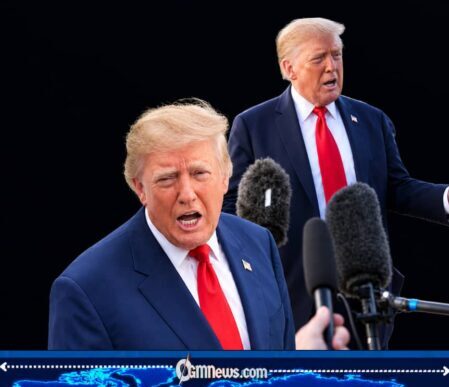
Recent patterns in international relations show a recurring cycle where initial actions and retaliatory responses blur into a single narrative of mutual accusation. Experts warn that such dynamics can lead to prolonged instability, especially when both sides double down on their positions. The involvement of global powers, including leadership under current president Donald J. Trump, adds another layer of complexity, as domestic politics and international strategy increasingly intersect.
Strait Standoff tensions now sit at a critical juncture, where the next move—whether diplomatic or military—could define the trajectory of the conflict. While officials continue to project certainty, the underlying reality remains far less clear, leaving the international community watching closely for signs of either escalation or restraint.

Logging in is a breeze and the site stability is amazing even during peak hours....