












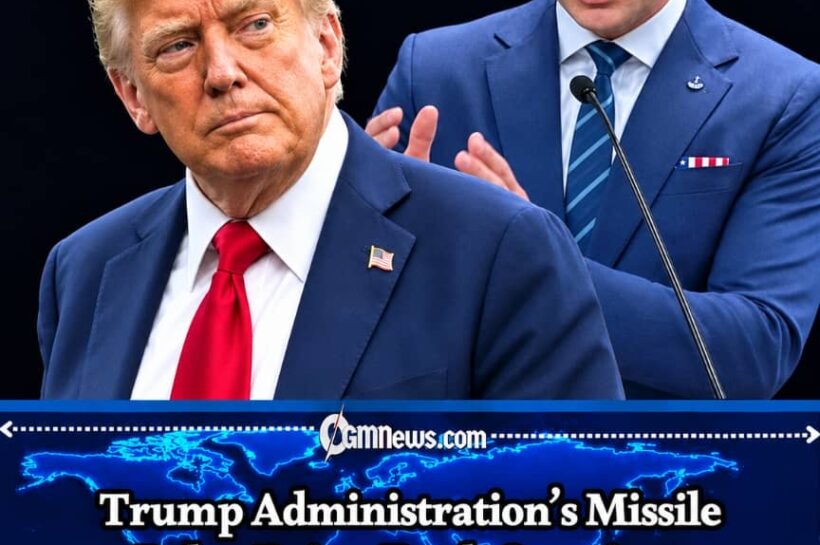




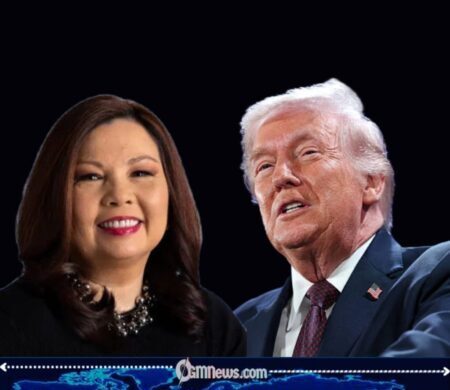
Senator Tammy Duckworth has publicly criticized President Donald Trump, the current U.S. president serving a second term, for escalating military operations in Iran, arguing that his decisions have made Americans less safe. She stated bluntly, “This is all on Donald Trump. He decided to do this,” signaling that any future attacks on U.S. soil could be directly traced to the administration’s actions in the Middle East.
The remarks highlight growing political tensions over the U.S. approach to Iran and raise questions about the potential domestic consequences of foreign military engagements. Duckworth, a vocal advocate for veteran and homeland security issues, emphasized that strategic decisions abroad have direct implications for American citizens at home.
Duckworth’s Direct Criticism of Presidential Decisions
Senator Duckworth’s comments mark a rare and pointed critique of President Trump’s foreign policy while the administration continues its military operations in Iran. She warned that the president’s decision to escalate conflict could increase the risk of retaliatory attacks on U.S. territory.
Duckworth underscored that the chain of responsibility starts at the top. By directly attributing potential future threats to the president’s decisions, she is framing the conflict not only as a foreign policy issue but as one with tangible implications for domestic safety.
Political observers note that Duckworth’s comments may influence ongoing debates in Congress over the balance between military action and national security oversight.
Context of the U.S.–Iran Conflict
The U.S. has conducted a series of targeted operations in Iran, including airstrikes on key military infrastructure. Officials describe the campaign as intended to neutralize threats to American personnel and regional allies, and to deter future aggression.
President Trump has publicly defended the strikes, asserting that they are necessary to protect U.S. interests and maintain stability in the Middle East. He has also indicated that diplomatic channels remain available should Iran respond constructively to the pressure.
Despite these assurances, analysts have warned that escalation could provoke retaliatory actions, particularly against U.S. assets abroad, and potentially increase the risk of attacks on American soil.
Potential Threats to the Homeland
Senator Duckworth’s warning draws attention to the possibility of Iran-backed attacks reaching U.S. territory. Recent intelligence reports have flagged potential threats against strategic locations in the United States, including infrastructure and military installations.
Security experts argue that even limited retaliatory strikes could have far-reaching consequences, both in terms of public safety and national morale. Duckworth’s emphasis on presidential responsibility serves to remind lawmakers and citizens that foreign engagements carry domestic stakes.
The senator’s message has prompted renewed discussions about the adequacy of current homeland security measures and the necessity of preventive strategies.
Political and Public Response
Duckworth’s remarks have elicited a mixed response in Washington. Supporters applaud her focus on accountability and the protection of American citizens, framing her critique as a necessary check on executive power.
Critics argue that her statements could be seen as politically motivated, intended to undermine the president during ongoing operations. Nevertheless, the comments have fueled broader debates over the strategic, ethical, and political dimensions of the U.S.–Iran conflict.
Public opinion on the matter remains divided, with many Americans expressing concern over the risks associated with continued escalation.
Implications for U.S. Foreign Policy
The debate initiated by Duckworth underscores the complexity of balancing military action abroad with national security at home. Experts note that the administration’s approach to Iran will continue to be scrutinized for its potential to trigger unintended consequences.
President Trump’s second-term administration faces the challenge of demonstrating effective leadership in managing the conflict while ensuring that Americans are protected from potential retaliatory threats.
Observers suggest that the coming weeks will be crucial in shaping both domestic and international perceptions of U.S. policy, highlighting the interplay between foreign strategy and homeland security.
Outlook and Next Steps
As the situation in the Middle East evolves, lawmakers like Senator Duckworth are likely to maintain pressure on the administration to justify its decisions and outline clear risk mitigation strategies.
Analysts emphasize that the trajectory of U.S.–Iran relations will depend on a combination of military, diplomatic, and intelligence-based measures. The comments by Duckworth serve as a reminder that foreign policy decisions carry significant domestic responsibilities.
Ultimately, the coming months may determine whether the current strategy achieves its intended goals without compromising the safety and security of American citizens.


The weekly tournaments here keep me coming back because the prize pools are surprisingly generous....