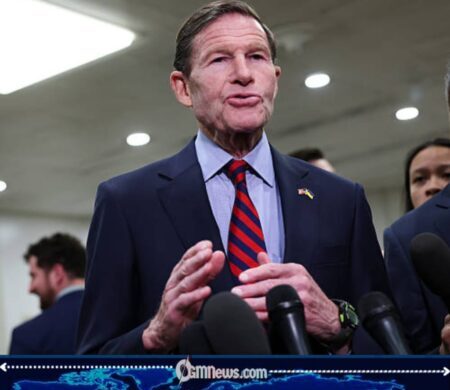








Senate leader John Thune said there are currently not enough votes in the Senate to support a talking filibuster that would allow the SAVE America Act to advance, signaling that the proposal faces significant procedural and political barriers. Speaking to reporters on Capitol Hill, he acknowledged that while some lawmakers remain committed to pushing the measure forward, the numbers needed to overcome Senate rules are not yet in place.
The SAVE America Act has become a central topic in Washington as lawmakers debate its implications for federal policy and legislative procedure. Supporters of the bill argue that it addresses concerns surrounding election oversight and governance, while critics believe the legislation raises complex constitutional and procedural questions.
Political observers note that the Senate’s rules on debate and voting often make it difficult to pass controversial legislation without broad bipartisan cooperation. That reality has placed the bill in a complicated position as party leaders continue counting potential votes.
Senate leader John Thune Discusses Filibuster Hurdles
Senate leader John Thune emphasized that implementing a talking filibuster as part of the legislative strategy would require far more support than currently exists in the chamber. According to him, several senators remain hesitant about changing or reinterpreting long-standing Senate procedures.
The talking filibuster concept would require lawmakers who wish to delay or block legislation to continuously hold the Senate floor, rather than simply signaling opposition through procedural votes. Advocates say this approach could make legislative obstruction more visible to the public.
Senate leader John Thune noted that procedural changes in the Senate rarely happen quickly, explaining that many senators are cautious about any adjustment that could reshape the balance of power between majority and minority parties.
Divisions Among Lawmakers Continue
Senate leader John Thune pointed out that disagreements surrounding the SAVE America Act reflect broader political divisions within Congress. Lawmakers from different regions and parties have raised concerns about the bill’s structure and its potential long-term consequences.
Across Capitol Hill, committees and policy advisers have been analyzing how the legislation might affect future election administration and federal-state relationships. Those discussions have produced a wide range of opinions about the appropriate role of Congress in shaping election laws.
Senate leader John Thune said that building consensus on an issue tied to electoral systems is particularly difficult because it touches on deeply held political and institutional concerns.
Ongoing Negotiations Behind Closed Doors
Behind the scenes, senators and legislative staff have continued meeting to explore whether modifications to the proposal could attract additional support. Such negotiations are common in the Senate, where controversial bills often undergo several revisions before reaching the floor.
Several lawmakers have suggested that changes to certain provisions might ease concerns among undecided senators. These discussions are still in early stages, and no final compromise language has been publicly confirmed.
Senate leader John Thune acknowledged that conversations are ongoing but reiterated that the current vote count does not indicate a clear path forward for the talking filibuster strategy.
Broader Debate Over Senate Rules
Senate leader John Thune explained that the debate surrounding the SAVE America Act has also reopened broader conversations about the role of the filibuster in modern Senate politics. For decades, the rule has served as one of the chamber’s most powerful procedural tools.
Some lawmakers argue that the filibuster protects minority voices and ensures thorough debate on major legislation. Others contend that it can slow or block policy initiatives even when a majority of senators support them.
Senate leader John Thune suggested that any proposal to modify the way the filibuster operates would require careful consideration, given the long-standing traditions that shape the Senate’s legislative process.
Uncertain Path Forward for the Bill
The future of the SAVE America Act remains uncertain as lawmakers weigh both political realities and procedural constraints. While supporters remain determined to push the legislation forward, opponents are equally committed to scrutinizing its details.
Political analysts say the coming weeks could determine whether the bill gains momentum or stalls in committee discussions and floor negotiations. Much will depend on whether additional senators decide to support the procedural strategy proposed by its advocates.
Even as the debate continues, many lawmakers emphasize that the Senate often requires extended negotiation before major legislation can advance. For now, the SAVE America Act remains part of an ongoing conversation about governance, election policy, and the rules that guide the United States Senate.