




















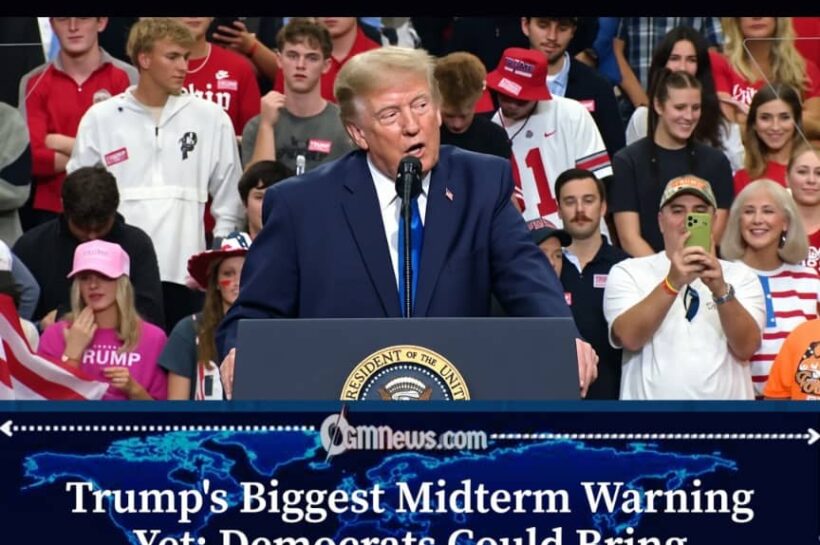


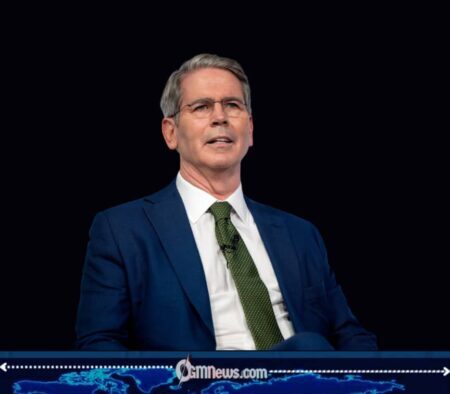
Scott Bessent has outlined a rapid transition in U.S. tariff policy designed to maintain federal revenue and trade leverage following a Supreme Court ruling that limited the use of emergency powers. Speaking on the Treasury’s strategy, Scott Bessent said tariffs imposed under the International Emergency Economic Powers Act (IEEPA) would be replaced within days by measures authorized under Section 122 of the Trade Act of 1974. According to Scott Bessent, the objective is to ensure that tariff revenue remains stable while preserving the United States’ negotiating strength in global trade.
Scott Bessent emphasized that the policy shift represents a legal recalibration rather than a retreat. He noted that the administration intends to maintain continuity in economic strategy despite judicial constraints, reinforcing confidence among markets and international partners.
Scott Bessent Reassures Markets: Revenue Will Remain Stable
Scott Bessent has assured lawmakers, business leaders, and financial markets that tariff revenue will remain “unchanged this year and in the future,” despite the legal shift in authority. Treasury projections indicate that replacement tariffs will mirror the financial impact of those invalidated by the Court, preventing sudden budgetary shortfalls and maintaining fiscal stability.
Economic analysts note that tariffs have become a significant revenue stream for the federal government, funding domestic priorities while influencing trade negotiations. By maintaining revenue levels, Scott Bessent aims to reassure markets and avoid disruptions that could ripple through supply chains and consumer prices.
Officials also stress that continuity in tariff collection helps stabilize expectations for businesses that have already adjusted pricing and sourcing strategies in response to existing duties. Abrupt changes, they warn, could create uncertainty across manufacturing, retail, and logistics sectors.
Legal Recalibration: From IEEPA to Section 122
The Supreme Court ruling determined that IEEPA does not authorize the president to impose tariffs, reaffirming Congress’s primary role in trade taxation. In response, the administration has turned to Section 122, which allows temporary tariffs of up to 150 days to address balance-of-payments concerns.
Trade experts describe Section 122 as a stopgap tool that provides immediate authority while longer-term measures are pursued under other statutes, such as Sections 301 and 232. The shift illustrates how existing trade laws can be leveraged to maintain policy objectives even when one legal pathway is closed.
Legal scholars note that the transition may face further scrutiny, but it reflects a broader pattern in U.S. trade policy: adapting statutory tools to evolving economic and geopolitical conditions.
Maintaining Leverage in Global Trade Negotiations
Tariffs have played a central role in the administration’s trade strategy, serving both as revenue instruments and negotiating tools. Officials argue that maintaining duties ensures the United States retains leverage in ongoing and future trade talks with major partners across Asia and Europe.
Supporters contend that tariffs have encouraged trading partners to revisit market access, intellectual property protections, and industrial subsidies. They argue that a sudden rollback could weaken the U.S. bargaining position and undermine agreements reached under tariff pressure.
Critics, however, warn that prolonged reliance on tariffs risks retaliatory measures and higher costs for consumers. They advocate for multilateral solutions and caution that legal uncertainty may complicate long-term trade planning.
Business Community Response: Stability Welcome, Questions Remain
Business leaders have largely welcomed the Treasury’s commitment to revenue stability, viewing it as a sign of policy continuity. Many firms had feared abrupt tariff cancellations could distort competitive dynamics or trigger price volatility across sectors such as automotive, consumer goods, and construction materials.
At the same time, executives remain cautious about the temporary nature of Section 122 tariffs. Companies are closely monitoring whether the administration will pursue more durable legal frameworks to sustain trade measures beyond the 150-day window.
Trade associations emphasize the need for clear guidance to help businesses plan investments, manage inventories, and negotiate supplier contracts. Predictability, they argue, is essential for maintaining global competitiveness.
International Response: Watchful but Measured
Global partners have responded cautiously to the policy shift, seeking clarification on the scope and duration of replacement tariffs. Diplomats from allied nations have indicated that existing trade agreements remain intact, though they are assessing potential impacts on future negotiations.
Economic observers note that many countries are reluctant to escalate tensions while legal questions remain unresolved. Instead, they are adopting a wait-and-see approach, balancing domestic political pressures with the need to preserve stable trade relationships with the United States.
The measured response suggests that, despite legal turbulence, the broader architecture of international trade with the United States remains intact—for now.
Legal and Fiscal Uncertainties Ahead
While the Treasury projects stable revenue, ongoing litigation could determine whether previously collected tariffs must be refunded. Courts are expected to address claims from importers seeking reimbursement for duties imposed under the invalidated authority.
Such rulings could carry significant fiscal implications, potentially affecting billions of dollars in federal revenue. Treasury officials maintain that any repayment decisions will be handled through the judicial process and do not alter the administration’s forward-looking tariff strategy.
Policy analysts caution that the intersection of trade law, fiscal policy, and judicial oversight will shape the durability of the current approach, making the coming months critical for U.S. trade governance.
Conclusion
The Treasury’s plan, articulated repeatedly by Scott Bessent, reflects a strategic effort to preserve revenue and maintain U.S. leverage in global trade. By adapting to legal constraints while sustaining core policy objectives, the administration aims to project stability to markets, businesses, and international partners. The success of this approach will depend on legal outcomes, congressional dynamics, and the evolving landscape of global commerce.
[…] […]