








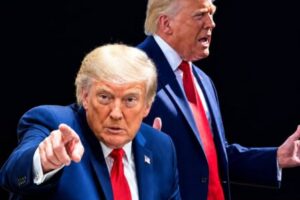













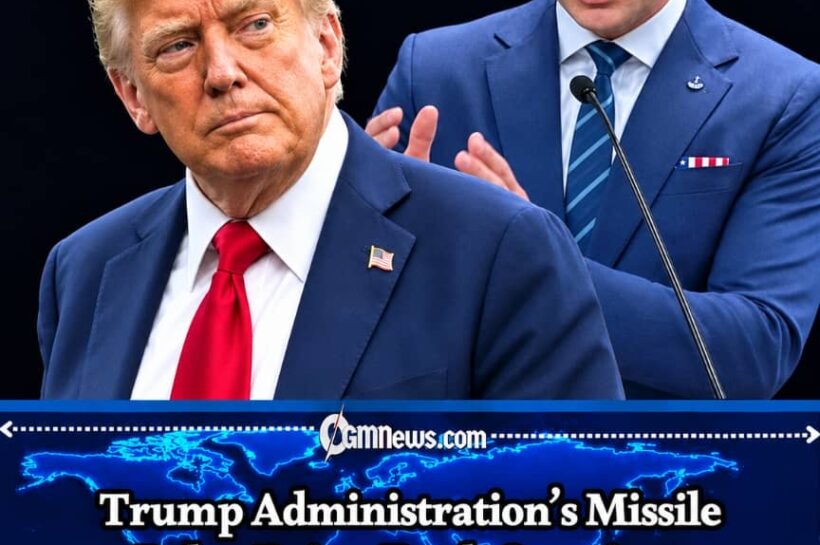




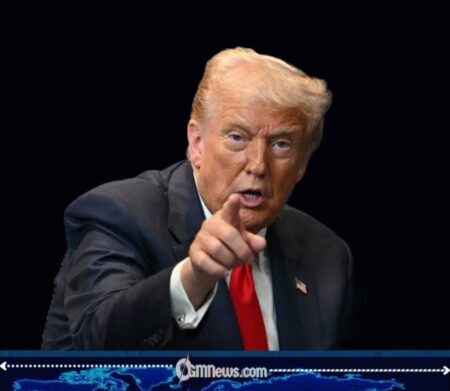
President Donald Trump leveraged the nationally televised Army-Navy game to intensify pressure on major broadcasters, using the widely viewed event to amplify his ongoing criticisms. President Donald Trump framed his concerns around media coverage, arguing that networks have not been fair in their reporting and editorial decisions.
The Army-Navy game, one of the most prominent events in American sports culture, provided a powerful platform for messaging due to its large audience and symbolic significance. The timing of the remarks ensured maximum visibility and immediate reaction across media platforms.
Observers noted that the move reflects a broader strategy of using high-profile moments to communicate political positions and influence public discourse.
Background to Media Tensions
President Donald Trump has had a long and contentious relationship with major media organizations, frequently accusing them of bias and misinformation.
President Donald Trump has consistently called for greater accountability from broadcasters, particularly during politically sensitive periods.
These tensions have played out across multiple platforms, including press briefings, social media, and public appearances. The ongoing disputes have contributed to a polarized media environment.
Analysts suggest that such confrontations often resonate strongly with supporters while drawing criticism from those concerned about press freedom.
President Donald Trump Escalates Public Messaging
President Donald Trump used the visibility of the Army-Navy game to escalate his messaging, directly addressing issues related to media influence and public perception.
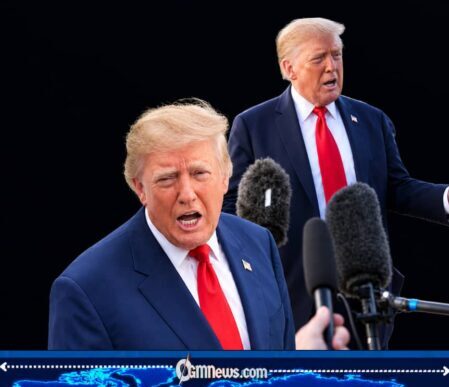
President Donald Trump emphasized the role of broadcasters in shaping narratives and called for what he described as more balanced coverage.
Public reactions were swift, with supporters praising the direct approach and critics questioning the appropriateness of raising political issues during a traditionally nonpartisan event.
The intersection of sports and politics has become increasingly common, with major events serving as platforms for broader discussions.
Broadcasters Respond to Pressure
Media organizations have responded in varying ways to the increased scrutiny, with some defending their editorial independence and others acknowledging the challenges of maintaining public trust. The situation has sparked renewed debate about the role of journalism in a highly polarized society.
Broadcasting networks involved in covering the Army-Navy game have not issued unified statements but have continued their programming without significant changes. Industry professionals note that such pressure can influence internal discussions about content and presentation.
The relationship between political figures and the media remains complex, shaped by competing priorities and public expectations.
President Donald Trump and the Politics of Public Events
President Donald Trump’s use of the Army-Navy game highlights the growing trend of integrating political messaging into widely viewed cultural events. President Donald Trump’s approach underscores the importance of visibility in modern political communication.
High-profile events often attract diverse audiences, making them effective platforms for reaching different segments of the population. However, this practice can also blur the lines between entertainment and political discourse.
President Donald Trump’s actions have reignited conversations about the appropriateness and impact of such strategies.
Implications for Media and Public Discourse
The developments surrounding the Army-Navy game may have lasting implications for how media organizations and political figures interact. The ongoing tension could influence future coverage decisions and public trust in news outlets.
Experts suggest that maintaining a balance between editorial independence and responsiveness to criticism will be a key challenge for broadcasters moving forward. Transparency and accountability are likely to remain central themes.
As the situation evolves, both political leaders and media institutions will continue to navigate a landscape defined by heightened scrutiny and rapid communication.

The weekly tournaments here keep me coming back because the prize pools are surprisingly generous....