
















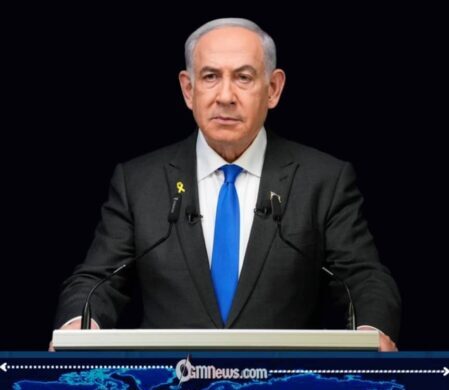
Israeli Prime Minister Benjamin Netanyahu has delivered a message to Israel’s enemies that sounded less like a diplomatic warning and more like the opening line of a regional security advertisement: “Don’t mess with us.” According to the material supplied to OGM News, Netanyahu declared that Israel is currently the strongest power in the Middle East and perhaps even beyond it as the region continues to experience military confrontations, threats and political tensions. His remarks come at a particularly sensitive moment, with Israel and Iran still locked in a dangerous confrontation and fighting continuing on other fronts.
Netanyahu Turns Strength Into a Warning
Netanyahu’s latest rhetoric reflects his broader argument that Israel’s military capabilities and recent operations have significantly changed the regional balance of power. At a recent government event, he said Israel had the strength, determination and internal unity to overcome its enemies, while describing the Iranian regime as severely weakened and claiming that toppling it remained a central Israeli objective.
In classic political fashion, however, the message appears to have come with an unofficial footnote: please think carefully before testing the merchandise. Netanyahu’s warning that enemies should not “mess with” Israel arrives while Israeli forces remain active against Hezbollah-linked targets in southern Lebanon and tensions with Iran remain unresolved. Recent Israeli strikes in Lebanon have demonstrated just how quickly regional rhetoric can turn into military action.
Middle East Receives Another ‘Please Behave’ Notice
For observers watching the region, Netanyahu’s confidence is understandable from Israel’s perspective but hardly reassuring to neighbours already navigating a volatile security environment. Iran has continued to threaten retaliation against future attacks, while the wider confrontation has also affected energy security and shipping around the Strait of Hormuz. In other words, the Middle East has already received several warnings — and apparently somebody keeps leaving the notifications on “unread.”
The political timing also matters. Israel is heading toward elections in October, with Netanyahu facing a competitive political environment and divisions among right-wing parties that could affect his efforts to retain power. Against that backdrop, strong national-security messaging remains a familiar feature of Israeli politics, particularly for a leader who has repeatedly presented himself as the person best positioned to defend Israel.
Netanyahu’s declaration therefore carries significance beyond the soundbite. Whether interpreted as deterrence, political messaging or both, the warning reinforces Israel’s increasingly assertive posture at a time when the region has little room for another major escalation. For now, OGM News will continue watching the situation closely because, in a Middle East where everyone appears determined to prove how strong they are, the real question may be who decides to test whom next.
Navigating through slot games used to feel overwhelming but this login portal makes everything so...