














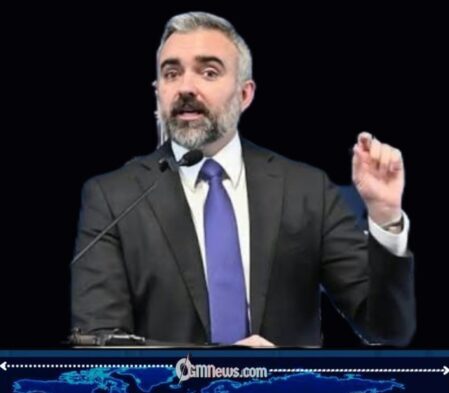
Nate Swanson, former National Security Council official has issued a stark warning that escalating tensions between the United States and Iran could result in a prolonged and complex conflict with no clear path to quick resolution. His remarks come at a time of heightened geopolitical strain, with both nations engaging in increasingly assertive postures.
Swanson emphasized that while open war may not be the immediate objective of either side, the current trajectory increases the risk of unintended escalation. He cautioned that a series of miscalculations or retaliatory actions could quickly spiral into a broader confrontation that proves difficult to contain.
Background to U.S.–Iran Rivalry
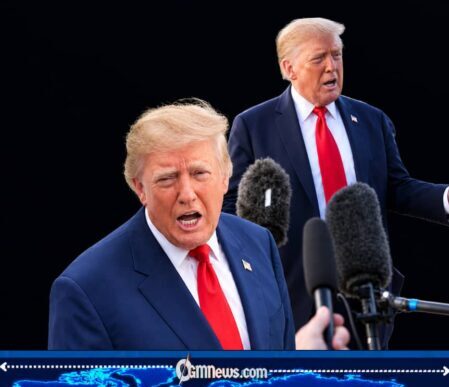
The longstanding rivalry between Washington and Tehran has been shaped by decades of political, military, and ideological differences. Under President Donald Trump, now serving a second term, the United States has maintained a firm stance against Iran’s regional activities and nuclear ambitions.
Iran has consistently rejected U.S. pressure, viewing sanctions and military presence in the region as hostile measures. This ongoing tension has played out across multiple arenas, including proxy conflicts and diplomatic standoffs, further complicating efforts toward lasting stability.
Swanson Highlights Risks of Long-Term Conflict
Swanson warned that the most concerning aspect of the current situation is the possibility of a drawn-out conflict involving multiple actors. Such a scenario, he noted, would likely extend beyond direct confrontation between the United States and Iran, potentially drawing in regional allies and non-state actors.
He added that prolonged military engagement could strain resources, disrupt global markets, and create humanitarian challenges. The ripple effects could be felt far beyond the Middle East, impacting international security and economic stability.
Diplomatic Efforts Facing Increasing Strain
According to Swanson, diplomatic channels between the two countries have weakened significantly, limiting opportunities for de-escalation. Formal negotiations have stalled, and the absence of consistent communication increases the likelihood of misunderstandings.
He stressed that without active diplomatic engagement, both sides may rely more heavily on military signaling. This shift raises the risk of accidental confrontations, particularly in sensitive regions such as key maritime routes.
Global and Economic Consequences
Swanson also pointed to the broader global implications of a prolonged conflict. Disruptions to critical oil supply routes could affect energy markets worldwide, leading to economic instability in both developed and developing nations.
Additionally, major global powers may be drawn further into the situation, either through mediation efforts or strategic alliances. This could complicate the conflict and make resolution more difficult, increasing the stakes for all parties involved.
Swanson Calls for Strategic Restraint
Swanson urged both nations to exercise restraint and prioritize diplomatic solutions. He argued that rebuilding communication channels and engaging in strategic dialogue are essential to preventing escalation.
While acknowledging the challenges ahead, Swanson maintained that careful decision-making and renewed diplomatic efforts remain the most viable path to avoiding a prolonged and destabilizing conflict.

Logging in is a breeze and the site stability is amazing even during peak hours....