















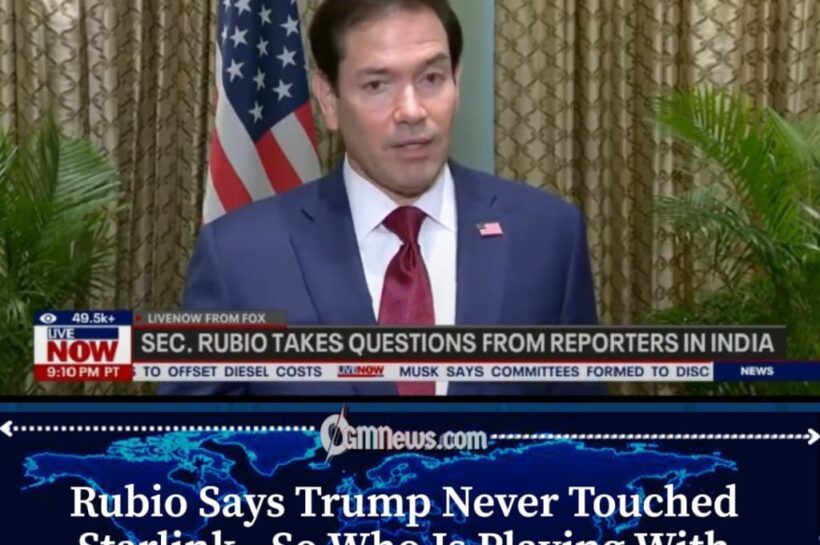








Middle East policy returned to the political spotlight after Vice President JD Vance said he sympathizes with Americans who are exhausted by decades of U.S. involvement in the region, while arguing that previous presidents made poor decisions that led to prolonged foreign entanglements. Vance contrasted those administrations with President Donald J. Trump’s approach, suggesting that the current leadership is pursuing a different strategy.
His remarks come as the United States continues navigating complex diplomatic and security issues involving Iran and other regional powers. The comments also reflect a broader political debate over how America should balance military commitments with public concerns about long-running overseas engagements.
Middle East Remains a Divisive Issue
For more than two decades, U.S. policy in the Middle East has been shaped by conflicts in Iraq, Afghanistan, counterterrorism operations and evolving relations with regional allies and adversaries. Public opinion has shifted over time, with many Americans expressing a desire to avoid extended military commitments while maintaining national security interests.
Within the broader Middle East discussion, Vance’s remarks echo a recurring argument among some policymakers that lessons from past interventions should influence future decisions. Others contend that each regional crisis presents unique challenges requiring careful diplomatic and military responses.
JD Vance Defends Current Strategy
The broader JD Vance comments underscore the administration’s effort to distinguish its foreign policy from those of previous administrations. Supporters argue that the current approach emphasizes stronger leverage in negotiations and a more restrained use of military force, while critics question whether recent developments fully align with that objective.
Adding a touch of light satire, Washington once again proved that in politics, reviewing history sometimes sounds less like a classroom lecture and more like a presidential performance review.
As OGM News continues monitoring developments, Middle East policy will remain a closely watched issue as the administration’s diplomatic and security decisions continue to shape debate both at home and abroad.

The registration process was so simple and I started playing within minutes. Promotions come in...