

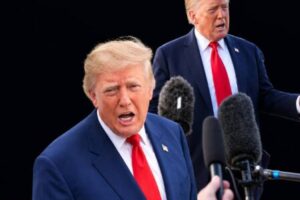











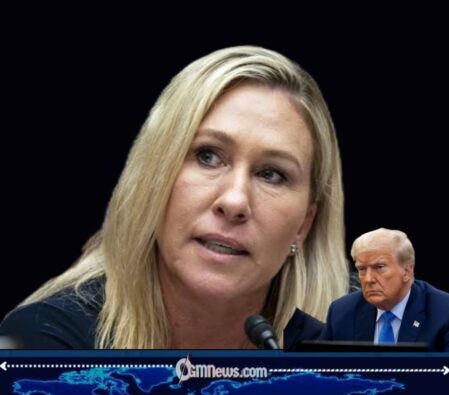
Marjorie Taylor Greene has offered one of the most extraordinary accounts yet of her political break with President Donald J. Trump, saying Trump warned her that “my friends will get hurt” during a heated phone call over the release of Jeffrey Epstein-related files. Greene has said the remark came after she joined efforts in Congress to force the files into the open, despite pressure from the White House and Republican leadership. Her account has added another explosive chapter to an already politically charged fight over transparency, accountability and the treatment of Epstein survivors.
Greene’s account does not establish who Trump was referring to, and congressional testimony has not independently confirmed that specific conversation. But the allegation has nonetheless attracted considerable attention because it came from a former Trump ally who once stood firmly inside his political camp. The episode illustrates just how dramatically the Epstein-files controversy damaged a relationship that had once appeared politically unbreakable.
Marjorie Taylor Greene Takes Her Epstein Fight Directly to Trump
Marjorie Taylor Greene says the confrontation occurred after she and three other House Republicans—Thomas Massie, Lauren Boebert and Nancy Mace—joined Democrats in signing a discharge petition aimed at forcing action on releasing Epstein-related material. Greene said she was already receiving pressure to remove her name when Trump personally called her.
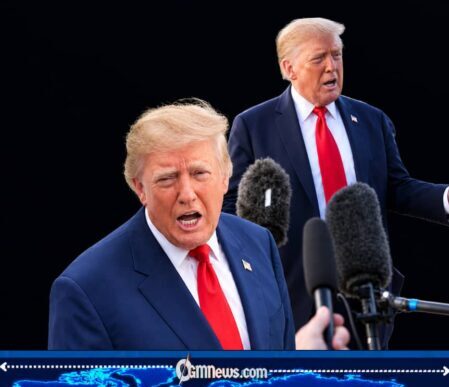
According to Greene’s account, she told Trump that the material should be released because, as she understood it, people had said he had done nothing wrong. She says the president was angry about her position and then delivered the sentence that has since become the centrepiece of the controversy: “My friends will get hurt.” Satirically speaking, it was hardly the sort of sentence anyone would expect to hear during an ordinary disagreement over congressional paperwork.
The “Friends” Question Becomes the Political Mystery
Marjorie Taylor Greene has interpreted Trump’s remark as evidence of why she believes the administration was reluctant to release the files. But that interpretation remains Greene’s allegation. During a later congressional inquiry, witnesses were asked whether they knew about the reported conversation or which friends Trump supposedly meant; the answers did not independently establish those details.
Trump and his administration have pushed back against Greene’s broader accusations, while Trump has also publicly attacked the Epstein controversy as politically motivated. Greene, however, has continued to argue that the victims deserve transparency and accountability. The result has been an extraordinary political role reversal: one of Trump’s former congressional allies is now publicly challenging the president over an issue that has become increasingly difficult for Washington to keep out of the spotlight.
Marjorie Taylor Greene’s account has therefore transformed a congressional dispute into a much larger political mystery surrounding what Trump meant by “my friends will get hurt” and how the administration handled the Epstein files. For now, the identity of those “friends,” if the phrase referred to specific people at all, remains unresolved. OGM News will continue watching the congressional investigations, document releases and political fallout surrounding the Epstein controversy as further evidence emerges.
Downloaded the 881betapp the other day. Clean interface, does the job. Quick and easy betting...