






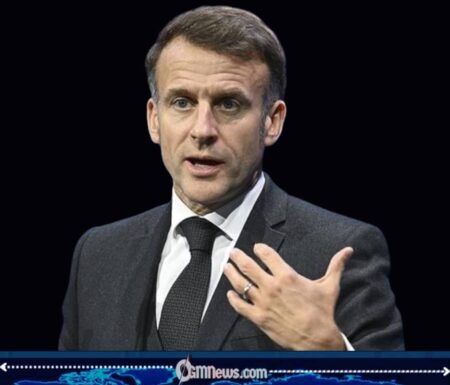
Emmanuel Macron has warned that the ongoing confrontation involving Iran and its adversaries may persist longer than many observers initially expected, cautioning that the most intense phase of the conflict could last for “several days, perhaps several weeks.” His remarks come as hostilities continue to reshape security dynamics across the Middle East and increasingly affect global diplomacy and energy markets.
According to multiple international news outlets including Associated Press, Reuters, and Al Jazeera, Macron stressed that the trajectory of the war depends heavily on how each side defines its final strategic objectives and what outcome they ultimately seek. The French leader’s assessment reflects growing international concern that the conflict could escalate beyond a short-term military campaign and evolve into a broader regional confrontation.
His warning comes amid an expanding crisis involving the United States, Israel, and Iran, alongside mounting diplomatic efforts by European governments to prevent further destabilization.
Macron’s Warning: “The War Will Not End Soon”
In a recent public address and diplomatic briefings, Emmanuel Macron indicated that the intensity of the current military exchanges suggests the conflict is unlikely to conclude quickly. The French president emphasized that no clear end-state has yet been defined by the principal actors involved, which makes predicting the war’s duration difficult.
Macron stated that the coming period would likely remain volatile, noting that the immediate phase of military operations could continue for days or even weeks. Analysts quoted by international outlets such as BBC News and The Guardian interpret the statement as a sign that European governments are preparing for sustained instability rather than a rapid ceasefire.
The French president also underscored that the situation remains fluid and dependent on decisions taken in Washington, Tehran, and Jerusalem. The evolving strategies of those capitals, he said, will determine whether the conflict expands or moves toward diplomatic containment.
Europe’s Strategic Concerns and Military Preparations
European leaders have reacted with heightened vigilance following the escalation of hostilities. Reports indicate that France has increased its military presence in key areas of the eastern Mediterranean, including naval deployments and air-defense systems designed to protect allies and European interests.
France has also deployed significant naval assets—including the aircraft carrier Charles de Gaulle and several warships—to strategic waterways. The move aims to secure regional stability and protect maritime routes that are essential to the global economy.
Macron has repeatedly stressed that these deployments are defensive rather than offensive. According to statements reported by international media, the goal is to protect European territory, intercept drones or missiles if necessary, and ensure the safety of commercial shipping lanes.
Economic Stakes: Oil Routes and the Strait of Hormuz
One of the most pressing concerns raised by Emmanuel Macron is the potential disruption of global energy supplies. The strategic Strait of Hormuz a crucial maritime corridor through which roughly one-fifth of the world’s oil passes—has become a focal point of the crisis.
Macron has warned that shipping through the strait is already severely affected, with many vessels rerouting due to security threats. The French government has discussed the possibility of organizing an international coalition to ensure freedom of navigation and secure the waterway.
Economic analysts note that prolonged disruptions in this region could significantly affect oil prices, global supply chains, and energy security across Europe and Asia.
U.S. and Israeli Operations Against Iran
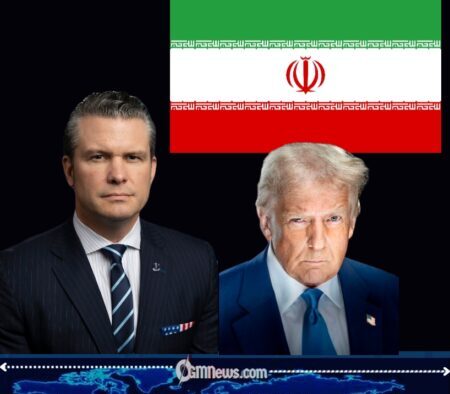
The conflict intensified after joint operations by the United States and Israel targeted Iranian military infrastructure and leadership. These operations were described by officials as part of a broader effort to weaken Iran’s missile capabilities and prevent it from developing nuclear weapons.
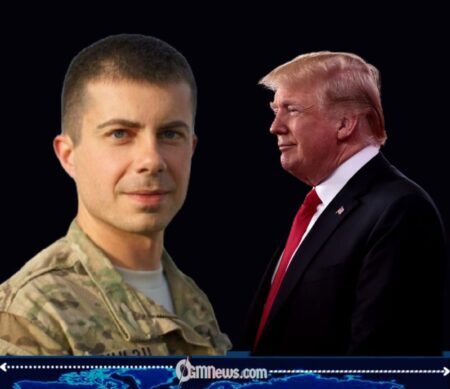
Donald Trump, currently serving as the President of the United States in his second term, has stated that the campaign aims to degrade Iran’s military capacity while coordinating closely with Benjamin Netanyahu, Israel’s prime minister.
At the same time, the conflict has already caused casualties and heightened fears of a wider regional war. Some analysts warn that retaliatory actions by Iranian-aligned groups could draw additional countries into the conflict if the fighting continues to intensify.
Diplomatic Efforts and the Search for an “End State”
Despite the military escalation, European leaders—including Emmanuel Macron—continue to emphasize the importance of diplomacy. Macron has argued that the long-term solution must involve negotiations that address Iran’s nuclear ambitions, regional security concerns, and the stability of Middle Eastern states.
France and its European partners have sought to position themselves as mediators capable of facilitating dialogue between the parties. However, diplomatic progress remains limited as military operations continue and tensions remain high.
Macron has warned that without a clear diplomatic framework and defined political objectives, the conflict could drag on longer than expected. His remarks reflect a broader international anxiety that the war could expand geographically if no negotiated settlement emerges.
Conclusion
The warning issued by Emmanuel Macron underscores the seriousness of the current geopolitical crisis surrounding Iran. With military operations ongoing and regional tensions rising, global leaders are increasingly preparing for the possibility that the conflict may last weeks rather than days.
While diplomatic initiatives continue behind the scenes, the outcome will likely depend on whether the involved powers can define a mutually acceptable “end state.” Until then, the international community faces a period of uncertainty marked by security risks, economic concerns, and complex geopolitical calculations.