


















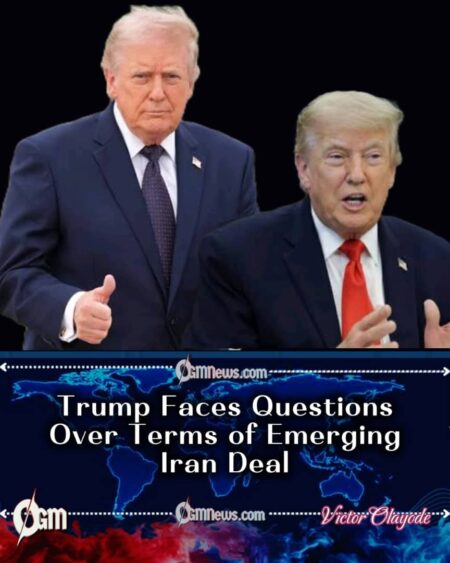
Last-Minute Concessions have become the latest flashpoint in the debate surrounding President Donald J. Trump’s negotiations with Iran after Iranian state media claimed that Tehran was preparing additional military action against Israel before stepping back in response to concessions made during final-stage talks. The allegation, if accurate, would present a striking contrast to earlier declarations from Washington that Iran would face overwhelming pressure and potentially even “unconditional surrender.” Yet as often happens in high-stakes diplomacy, competing narratives have emerged, with each side portraying itself as the true winner.
Last-Minute Concessions quickly became a political talking point because the emerging framework reportedly includes compromises from both sides. Reports indicate that discussions surrounding Iran’s nuclear program, sanctions, regional security arrangements, and the Strait of Hormuz were all part of the broader negotiations. While the Trump administration has emphasized Iran’s commitments under the deal, critics have focused on areas where Washington appears to have softened earlier positions.
LAST-MINUTE CONCESSIONS: Competing Claims Over the Path to Peace
According to accounts emerging from Tehran, Iranian leaders believed they had sufficient leverage to force additional concessions before agreeing to move forward. State-linked voices have portrayed the negotiations as proof that pressure from Iran achieved results and prevented further confrontation.
Within the broader Last-Minute Concessions debate, the central question is not merely what was agreed upon but how the agreement was reached. Supporters of the administration argue that avoiding a larger regional conflict while securing commitments from Iran represents effective statecraft. Critics argue that the final arrangement appears less ambitious than earlier rhetoric suggested and falls short of demands made at the height of the crisis.
The Shadow of Unconditional Surrender
One reason the controversy has gained momentum is the contrast between negotiation and rhetoric. Earlier in the conflict, Trump used forceful language when discussing Iran, leading many observers to expect an agreement heavily weighted in Washington’s favor.
The broader Unconditional Surrender discussion highlights a recurring reality of international diplomacy: leaders often begin negotiations with maximalist demands but ultimately settle for compromise. Recent reports suggest that several contentious issues remain unresolved, including future nuclear discussions and long-term regional security arrangements. Even some Iranian hardliners have criticized the proposed agreement, arguing that Tehran conceded too much.
Analysts note that both governments face similar political challenges. Trump must convince supporters that the deal advances American interests, while Iranian officials must demonstrate that they did not capitulate to foreign pressure. As a result, both sides have powerful incentives to frame the outcome as a victory.
As OGM News continues monitoring developments, the real test may not be who won the public relations battle but whether the agreement endures. For now, Last-Minute Concessions remain at the center of a diplomatic story where Washington claims success, Tehran claims success, and the world waits to see whose version of events survives the test of time.


Logging in is a breeze and the site stability is amazing even during peak hours....