



























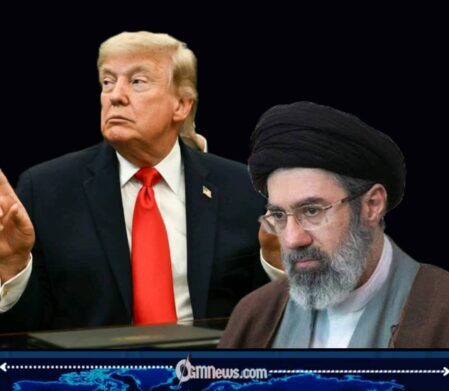
Hormuz Deal has emerged as one of the most consequential diplomatic stories of the year after President Donald J. Trump announced that a long-discussed agreement with Iran is expected to be signed soon, potentially reopening the Strait of Hormuz and easing months of geopolitical tension. The announcement immediately drew worldwide attention because the waterway remains one of the most strategically important shipping routes on Earth, carrying a significant share of global energy supplies. While Trump projected confidence that a signing was imminent, Iranian officials urged caution, creating uncertainty over whether the breakthrough is truly hours away or still days from completion.
Hormuz Deal became a major focus for investors, diplomats, and military planners because reopening the strait could significantly reduce pressure on global shipping and energy markets. Trump stated that the agreement would ensure Iran does not obtain nuclear weapons while restoring freedom of navigation through the waterway. Mediators involved in the negotiations have expressed optimism, though differing public statements from Washington and Tehran suggest that some details remain unresolved.
Negotiations Move Toward a Critical Moment
The original premise of the developing agreement centers on reopening the Strait of Hormuz and establishing a framework for future discussions regarding Iran’s nuclear activities. Trump has repeatedly argued that the deal would represent a significant departure from previous arrangements and would create a more stable relationship between the two countries.
Within the broader Hormuz Deal discussion, supporters view the negotiations as evidence that sustained pressure and diplomacy can produce results. Critics, however, note that previous announcements predicting an imminent agreement have not always resulted in a finalized deal. As a result, many observers are waiting for official signatures before declaring a diplomatic victory.
Iran Agreement Faces Final Hurdles
Although optimism has increased, Iranian officials have publicly indicated that the exact signing date remains uncertain. Their position suggests that negotiators may still be working through procedural and political details before any final document is approved.
The broader Iran Agreement debate extends beyond the immediate reopening of the strait. Analysts note that future negotiations are expected to address nuclear oversight, sanctions relief, regional security concerns, and verification mechanisms. Those issues could prove far more complicated than the initial framework currently under discussion.
Economic observers are also closely monitoring developments because any reopening of the Strait of Hormuz Deal could influence oil prices, shipping costs, and broader market sentiment. Even if a deal is signed, implementation may take time as governments, shipping companies, and energy markets adjust to the new reality.
As negotiators approach what could be a historic moment, OGM News understands that expectations are now exceptionally high. Whether the agreement is finalized immediately or delayed by additional negotiations, the outcome will likely shape regional politics and international markets for months to come. For now, the world continues watching Hormuz Deal developments with anticipation and caution.



[…] […]