




A federal judge on Monday temporarily blocked the Trump administration from enforcing a provision of the newly signed “One Big Beautiful Bill” that would revoke Medicaid funding for Planned Parenthood. U.S. District Judge Indira Talwani issued a 14-day temporary restraining order, directing the Department of Health and Human Services (HHS) to ensure that Planned Parenthood continues to receive Medicaid funding during the legal proceedings.
The court’s decision came in response to an emergency lawsuit filed by Planned Parenthood and its affiliates in Massachusetts and Utah, who argued that the provision unlawfully targets the organization and jeopardizes vital healthcare services for millions of low-income Americans. While the law does not mention Planned Parenthood by name, it restricts federal funding for any organization “primarily engaged in family planning services, reproductive health, and related medical care” that also provides abortions.
Planned Parenthood Warns of Devastating Impact
Planned Parenthood officials applauded the court’s swift action, warning that the funding cutoff could force widespread closures of its health centers, particularly in rural and underserved areas. The organization stressed that more than half of its patients rely on Medicaid for services that include cancer screenings, STI testing, contraception, and general reproductive health care—not just abortion services.
“Many Planned Parenthood members will be required to lay off staff and curtail services, with serious adverse consequences for the many patients served at those centers,” the lawsuit states. “Worse still, members may be forced to shutter a substantial number of their health centers nationwide, many of which are in areas where there are no alternative providers.”
Planned Parenthood emphasized that federal Medicaid dollars are already prohibited from funding abortions except in limited circumstances such as rape, incest, or life endangerment, making the new provision an unnecessary and discriminatory attack on the organization and its patients.
Trump Administration Defends Policy as “Commonsense”
The Trump administration defended the contested provision as a reasonable step to prevent federal taxpayer dollars from indirectly supporting abortion services. A White House official stated that the president’s domestic policy bill reflects the values of a “majority of Americans” who oppose public funding for abortion-related care.
“The Trump Administration is ending the forced use of federal taxpayer dollars to fund or promote elective abortion—a commonsense position that the overwhelming majority of Americans agree with,” the official said.
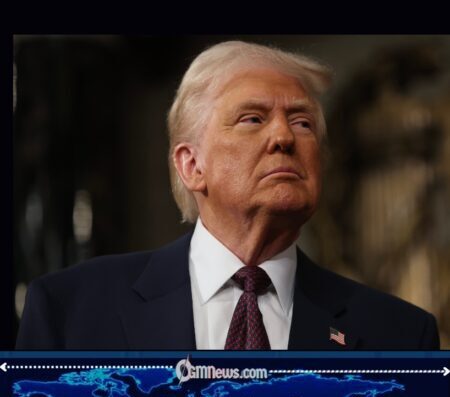
President Trump, who signed the One Big Beautiful Bill into law just days earlier with much fanfare, has touted the legislation as a cornerstone of his domestic policy agenda, aimed at reshaping healthcare funding and reinforcing conservative values on reproductive issues.
Pro-Life Groups Back Trump Administration, Criticize Lawsuit
Anti-abortion organizations swiftly rallied behind the Trump administration, criticizing Planned Parenthood for what they see as an attempt to preserve funding for the “abortion industry.” Susan B. Anthony Pro-Life America, one of the leading anti-abortion advocacy groups, described Planned Parenthood’s lawsuit as “desperate” and accused the organization of using the courts to block democratically enacted legislation.
“Planned Parenthood’s desperation is showing as they run to the courts again to fix a crisis of their own making,” said Katie Daniel, director of legal affairs and policy counsel for the group. “Taxpayers should never be forced to fund abortion providers, and this bill rightly protects that principle.”
The legal battle over the Medicaid provision underscores the deep divide in the U.S. over abortion rights and the role of federal funding in reproductive healthcare—a long-standing flashpoint in American politics.
Supreme Court Ruling Adds Complexity to Legal Landscape
The controversy comes on the heels of a recent Supreme Court decision allowing South Carolina to exclude Planned Parenthood from its Medicaid program, a ruling that could have broader implications for similar state-level actions across the country. In that case, the Supreme Court held that Planned Parenthood lacked standing to sue under a federal civil rights law, thereby giving states more discretion in determining Medicaid eligibility for healthcare providers.
Legal experts say this ruling could embolden other conservative states to pursue defunding measures, potentially setting the stage for a broader legal reckoning over reproductive rights and healthcare access. However, the federal nature of the One Big Beautiful Bill provision presents a different set of constitutional questions that Judge Talwani will weigh in the coming weeks.
Next Steps: A Protracted Legal Fight Ahead
The temporary restraining order is set to last for 14 days, giving the court time to consider further arguments and potentially issue a more permanent injunction. Both sides are preparing for a lengthy legal battle that could eventually reach higher courts.
Planned Parenthood and its allies have vowed to continue fighting the law, calling it an unconstitutional attack on the rights of women and healthcare providers. Meanwhile, the Trump administration and its supporters remain determined to enforce the provision as part of their broader effort to limit abortion access and redirect funding away from organizations that provide such services.
The outcome of this case could have far-reaching consequences not only for Planned Parenthood but for the broader landscape of reproductive healthcare in America.