





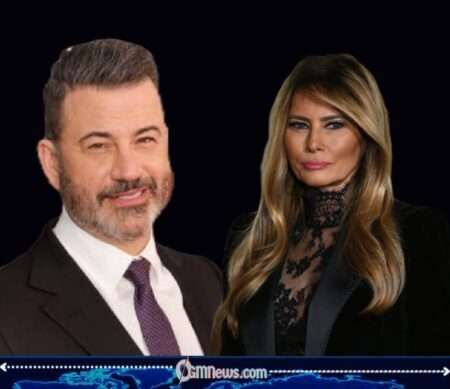
Jimmy Kimmel returned to his late-night platform with a sharply delivered monologue after weeks of public debate sparked by comments he made about Melania Trump. Tihe renewed attention followed reports that Melania Trump had demanded his removal from television over jokes considered offensive by critics within political circles.
The development has intensified discussions about the boundaries of political satire in U.S. media during the second term of Donald Trump, who is currently serving as president. Kimmel’s return episode placed him at the center of a broader cultural conversation about comedy, accountability, and political sensitivity.
Jimmy Kimmel’s Monologue Reasserts His Comedic Stance
Jimmy Kimmel opened his show with a carefully structured monologue that acknowledged, both directly and indirectly, the controversy surrounding his recent remarks. Rather than retreating from the issue, he leaned into his established comedic style, blending irony with pointed commentary.
Throughout the segment, Kimmel maintained a firm tone, using humor to address the backlash while reinforcing his position as a satirist. His delivery suggested an intention to frame the controversy as part of a wider debate about free expression rather than a personal dispute.
Audience reactions ranged from laughter to subdued applause, reflecting the sensitivity of the subject matter and the visibility of the individuals involved.
Melania Trump’s Reported Demand Sparks Public Debate
The controversy escalated after reports emerged that Melania Trump formally objected to jokes made about her during a previous broadcast. According to accounts circulating in political and media spaces, she called for Kimmel’s dismissal, citing concerns over respect and public decorum. The demand quickly gained traction online, where it’s fueled discussions about the limits of comedy directed at political families. Supporters of the First Lady argued that certain personal boundaries should be respected, even within satire.
The situation placed Jimmy Kimmel at the center of a national conversation about how public figures respond to criticism delivered through entertainment platforms.
Political Environment Amplifies the Controversy
The reaction to Kimmel’s monologue unfolded against the backdrop of the current administration led by President Donald Trump in his second term. While the White House has not issued a detailed formal response, political commentators aligned with the administration have expressed concern about perceived disrespect toward the First Family.
At the same time, other political voices have warned against any attempts—direct or indirect—to influence editorial content in entertainment media. They argue that such controversies must be addressed within the framework of free speech protections.
This divide has further amplified the visibility of Jimmy Kimmel’s remarks, turning a comedic segment into a broader political talking point.
Media Analysts Highlight the Role of Satire
Media observers note that Jimmy Kimmel has long operated within a tradition of political satire that frequently engages with current events and public figures. His style, which blends humor with critique, is seen as part of a broader late-night television culture.
However, analysts also point out that the increasing sensitivity surrounding political discourse has raised questions about how far satire can go when it involves individuals closely connected to governing authority.
The latest controversy has therefore been interpreted not only as an isolated incident but also as part of a recurring tension between comedy programming Andrew political accountability.
Public Reaction Reflects a Divided Audience
Audience response to the situation has been sharply divided, particularly across social media platforms. Supporters of Jimmy Kimmel argue that comedy should retain its freedom to challenge and critique public figures without fear of professional consequences.
Critics, however, maintain that jokes involving political families should be handled with greater restraint, especially when they involve personal or sensitive subject matter.
The debate has underscored how entertainment content is increasingly consumed through a political lens, where comedians like Kimmel often become central figures in broader ideological discussions.
Jimmy Kimmel’s Position in Ongoing Cultural Debate
As the discussion continues, Jimmy Kimmel remains at the center of a larger cultural conversation about the intersection of humor, politics, and media responsibility. His monologue has not only reignited public attention to his show but also highlighted the evolving expectations placed on public comedians.
Whether the controversy fades or escalates further will depend largely on subsequent reactions from political figures, media institutions, and audiences. For now, Kimmel’s return has ensured that the debate over satire and political sensitivity remains firmly in the public spotlight.
Logging in is a breeze and the site stability is amazing even during peak hours....