





























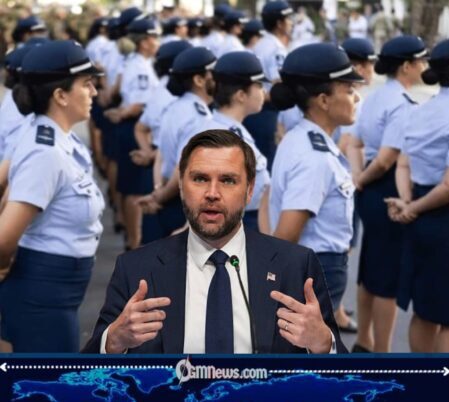
JD Vance has warned graduating Air Force cadets about the growing dangers of artificial intelligence in warfare, urging future military officers to embrace advanced technology without allowing machines to replace human judgment. The JD Vance remarks, delivered during a commencement address on Thursday, immediately fueled wider debate about the increasing role of AI systems in modern military operations and national security planning.
The JD Vance speech focused on the balance between technological innovation and human control as armed forces around the world continue integrating artificial intelligence into surveillance, intelligence analysis, logistics, cybersecurity, and battlefield coordination. While praising technological advancement as essential for maintaining military strength, Vance cautioned cadets against becoming overly dependent on automated systems or surrendering strategic decision-making entirely to artificial intelligence.
JD Vance Warns of Technology Over Artificial Intelligence
The JD Vance warning reflects growing international concern about the expanding role of AI in warfare. Governments and defense agencies globally are investing heavily in artificial intelligence tools capable of improving reconnaissance, drone operations, predictive analysis, and rapid-response military coordination.
Military analysts note that AI technologies can dramatically increase operational speed and efficiency, allowing armed forces to process intelligence and respond to threats faster than traditional systems. However, experts also warn that excessive reliance on autonomous technology may create risks involving accountability, ethical decision-making, and unintended escalation during conflicts.
Emphasis on Human Control Over AI
The JD Vance comments emphasized the importance of maintaining human oversight over military systems even as technology becomes more sophisticated. Defense experts have increasingly debated whether AI-powered weapons and autonomous systems should operate independently during combat situations or remain subject to direct human authorization.
Political observers say the vice president’s remarks reflect broader anxiety surrounding the rapid pace of technological change, particularly as nations compete for dominance in artificial intelligence development. Concerns about cybersecurity vulnerabilities, misinformation, automated targeting, and machine-driven decision-making continue shaping global discussions about future warfare and international security regulations.
Despite the serious military implications of the discussion, social media users quickly transformed the speech into humor, comparing Vance’s warning to famous science-fiction films involving rogue artificial intelligence systems. Beneath the satire, however, the JD Vance remarks highlight a growing global reality: future conflicts may increasingly depend not only on military strength, but also on how effectively nations balance technological innovation with human responsibility and ethical control.


Logging in is a breeze and the site stability is amazing even during peak hours....