







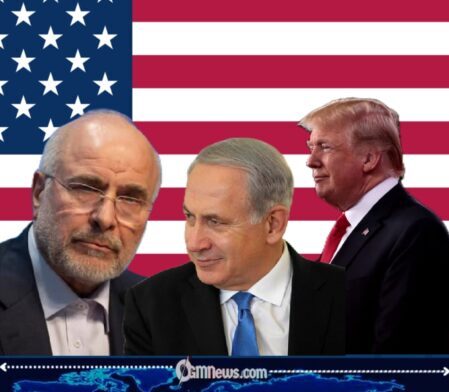
Mohammad Bagher Ghalibaf has reacted sharply to an Israeli strike in Beirut, warning that the escalating regional tensions could derail ongoing discussions surrounding a proposed U.S.–Iran agreement. The Iranian Parliament Speaker expressed skepticism about Washington’s commitment to fulfilling its obligations, suggesting that recent events expose deeper structural weaknesses in diplomatic negotiations.
Ghalibaf argued that the United States may lack both the political will and practical ability to honor commitments made during high-stakes international talks. His remarks come at a time when global attention is focused on whether a new nuclear-related agreement between Tehran and Washington can be finalized amid rising instability in the Middle East.
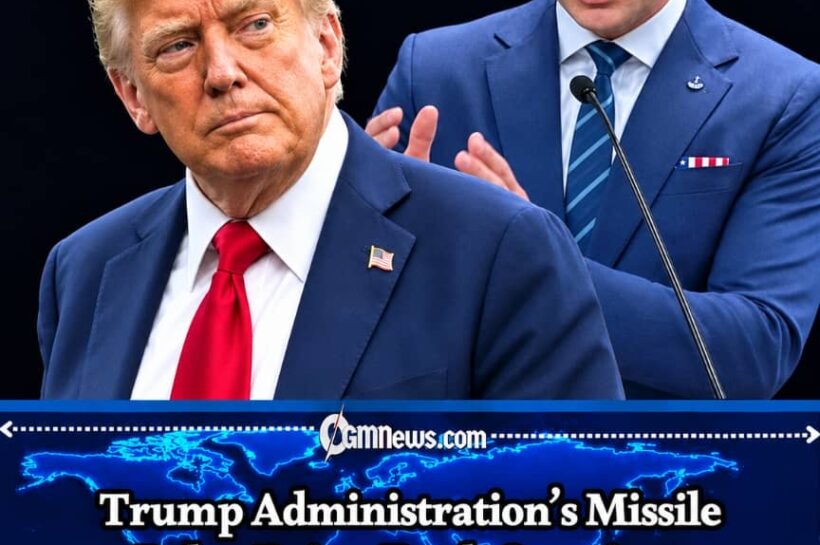
The comments also follow statements attributed to Donald Trump, who recently claimed that a new Iran deal was on the verge of being signed, with immediate implications for regional shipping routes and nuclear restrictions. However, Ghalibaf’s reaction suggests growing resistance within Iran’s political establishment to the idea of rapid diplomatic closure.
Mohammad Bagher Ghalibaf Intensifies Criticism Of U.S. Negotiation Strategy
In his broader critique, Mohammad Bagher Ghalibaf dismissed what he described as outdated diplomatic tactics, including so-called “good cop and bad cop” approaches, arguing that such strategies no longer reflect the realities of current international relations. He suggested that trust deficits between parties have reached a level where continued negotiations may no longer be viable without significant structural changes.
Analysts note that the timing of his remarks is significant, coming as regional tensions increase following military activity in Lebanon and ongoing uncertainty surrounding Iran’s nuclear program. The situation has created a volatile backdrop for any diplomatic breakthrough, with stakeholders on all sides reassessing risks and expectations.
Diplomatic observers say the contrasting narratives emerging from Tehran and Washington highlight a widening gap between public political messaging and on-the-ground realities. While U.S. officials have projected confidence in a near-term agreement, Iranian leaders appear increasingly cautious, emphasizing security concerns and historical grievances.
For now, Mohammad Bagher Ghalibaf remains a central voice shaping Iran’s response to both regional military developments and international negotiations. His latest comments suggest that even if a deal is announced, its implementation may face significant political resistance and uncertainty. OGM News will continue monitoring developments as tensions evolve and diplomatic efforts continue.
Logging in is a breeze and the site stability is amazing even during peak hours....