
















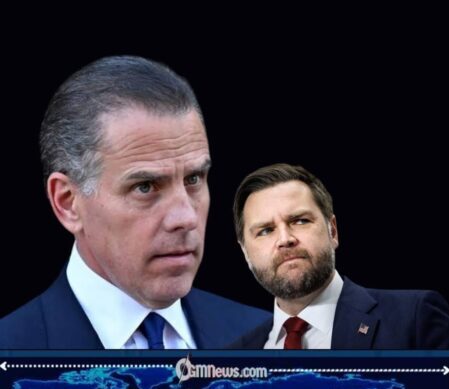
Hunter Biden has become the unlikely center of America’s political conversation after a TPSI poll suggested he would defeat J.D. Vance in a hypothetical 2028 presidential election. The poll, which rapidly spread across social media and political circles, immediately sparked questions about whether voters are beginning to rethink traditional political expectations. While the scenario remains entirely hypothetical, the result has fueled intense debate about the future of both major parties and the unpredictable nature of modern American politics.
Poll Suggests Surprise Shift in Early 2028 Presidential Race
Hunter Biden’s lead in the survey caught many political observers off guard. For years, his name has appeared in headlines largely because of legal controversies, public scrutiny, and his connection to the Biden political family rather than any widely discussed presidential ambitions. Yet the fictional poll suggests that voter dissatisfaction with conventional political choices could create opportunities for unexpected candidates to emerge in future election cycles.
The survey also places fresh attention on J.D. Vance, one of the most prominent Republican figures in national politics. As a close ally of President Donald J. Trump and a leading voice among conservative voters, Vance would ordinarily be viewed as a formidable contender in a future presidential race. However, the hypothetical findings suggest that political branding, voter fatigue, and shifting public priorities could alter assumptions that once appeared settled.
Hunter Biden: Poll Raises Uncomfortable Questions About the Future of Both Parties
The broader significance of the poll extends beyond the names involved. Political analysts have repeatedly noted that traditional polling assumptions have faced growing challenges over the past decade as voters become increasingly independent, skeptical of institutions, and willing to embrace unconventional candidates. The fictional result reflects a political environment where surprise has become one of the few predictable features.
For Democrats, the poll raises questions about whether political dynasties still possess electoral value in an era dominated by social media influence and personality-driven campaigns. For Republicans, it highlights concerns that even highly visible figures may struggle if voters begin seeking alternatives to established political narratives. The hypothetical matchup has therefore become less about two individuals and more about the evolving expectations of the American electorate.
What makes the scenario especially intriguing is the reaction it has generated. Supporters on both sides have rushed to either celebrate or dismiss the findings, while critics have questioned whether such a result could ever translate into a real election outcome. Meanwhile, online commentators have treated the poll as everything from a serious political signal to an elaborate reminder that modern politics often resembles reality television with a government budget.
Whether the TPSI survey ultimately proves to be nothing more than a fleeting political curiosity or an early indicator of shifting public sentiment, its impact has already been felt. The discussion surrounding Hunter Biden and J.D. Vance demonstrates how rapidly political narratives can evolve and how difficult it has become to predict the direction of American elections. OGM News will continue monitoring developments surrounding the 2028 race and the growing debates shaping the future of the nation’s political landscape.
[…] […]