












Iran has emerged as the focal point of a growing debate over the future of President Donald Trump’s Middle East strategy, with critics arguing that a conflict initially framed as manageable has evolved into a complex political and economic challenge. As negotiations and military tensions continue side by side, questions are mounting about whether Washington can secure favorable terms before domestic political pressures intensify. For supporters of the administration, diplomacy remains achievable. For critics, the urgency itself suggests that the balance of leverage may have shifted.
Iran Calls the Shots While Trump Searches for an Exit
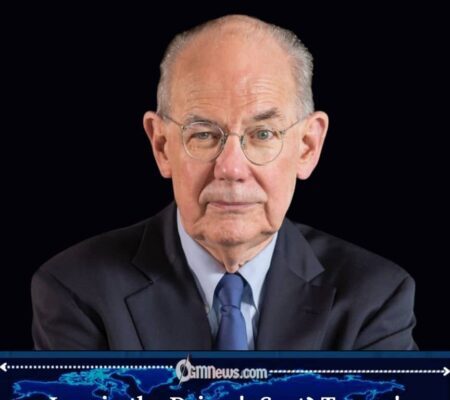
The central claim advanced by political scientist John Mearsheimer is that Iran may now possess stronger bargaining power than many expected when the confrontation began. According to his analysis, Tehran survived the initial phase of pressure, demonstrated a willingness to retaliate directly, and showed little indication that it intends to offer political concessions simply to help Washington achieve a quick resolution. The result, he argues, is a situation in which the United States seeks an exit while Iran believes time improves its negotiating position.
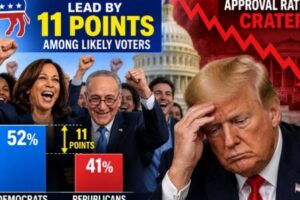
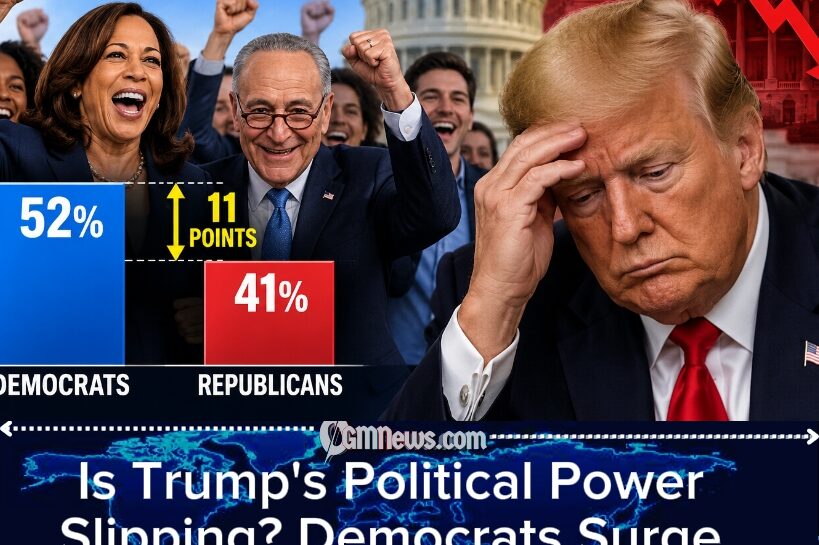
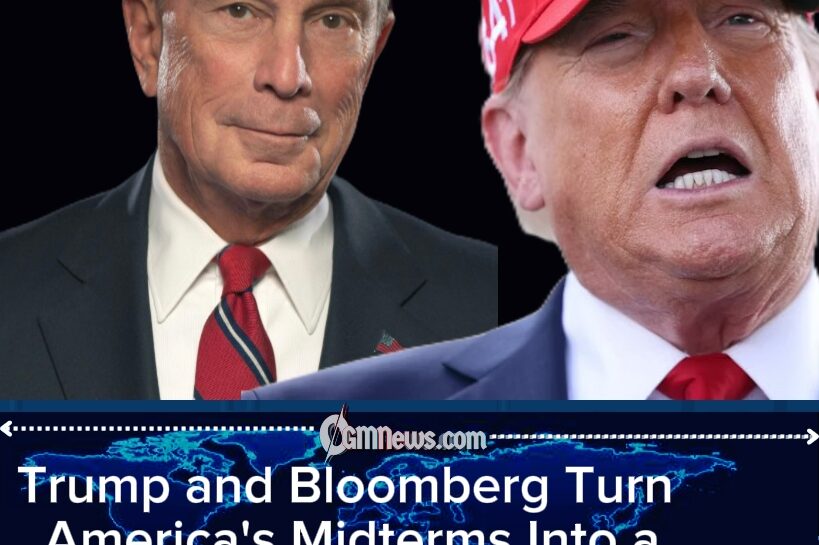
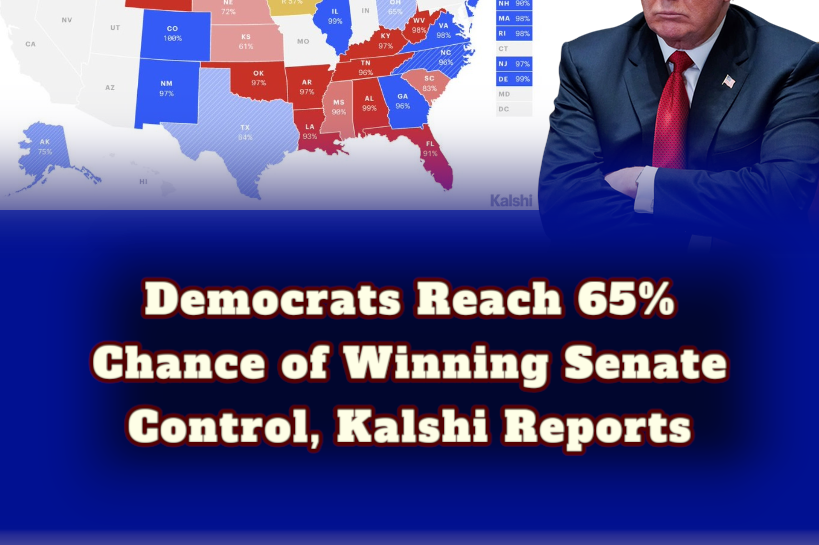
The debate has gained attention because it intersects with domestic American politics. Mearsheimer and other analysts have suggested that prolonged instability, combined with economic disruptions linked to strategic waterways and energy markets, could create additional pressure ahead of the U.S. midterm elections. While President Trump has publicly dismissed suggestions that electoral considerations influence his decisions, the broader political conversation continues to focus on whether voters will eventually connect economic concerns to developments in the Middle East.
Midterms Nightmare: Is Iran Turning Trump’s Strategy Against Him?
The broader context surrounding Midterms extends beyond politics and into the global economy. Recent reports indicate that U.S. and Iranian officials have been discussing frameworks that could reopen shipping routes, ease tensions around the Strait of Hormuz, and establish conditions for future negotiations. Even reports of potential diplomatic progress have been enough to move energy markets, highlighting how closely investors are monitoring developments.
At the same time, significant uncertainties remain. Iran has maintained positions that differ from Washington’s on several key issues, including control and management of strategic waterways and the future of its nuclear activities. Meanwhile, military incidents have continued despite ongoing diplomatic efforts, underscoring how fragile any agreement could be. Analysts note that several original objectives of the conflict remain unresolved, raising questions about whether a formal deal would truly end the crisis or merely pause it.
The coming weeks may reveal whether Iran and the United States are approaching a durable settlement or merely another temporary arrangement in a conflict that has already reshaped regional politics and global economic calculations. With Midterms approaching and negotiations appearing to move alongside continued tensions, the political and strategic stakes remain exceptionally high. OGM News will continue monitoring developments as both sides attempt to convince the world that they hold the stronger hand.


Logging in is a breeze and the site stability is amazing even during peak hours....