




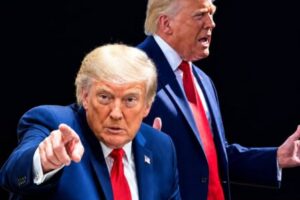
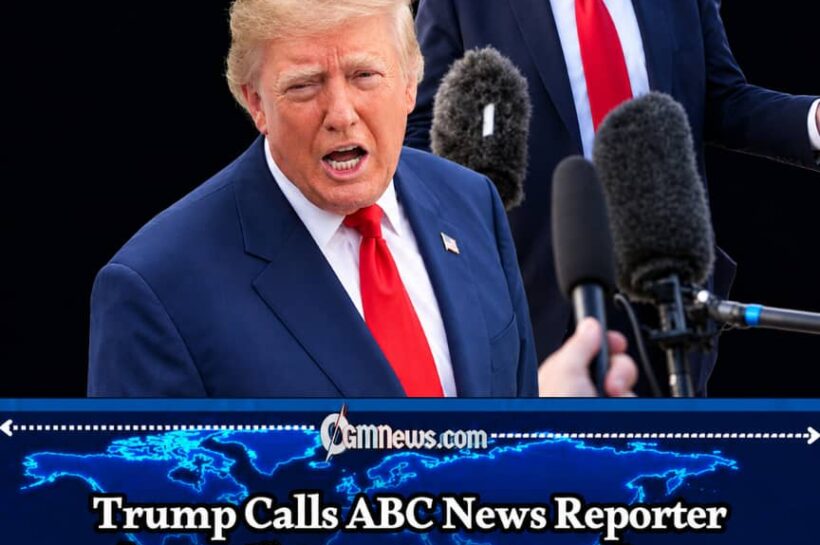



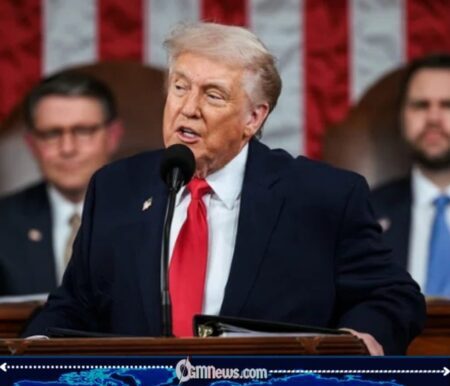
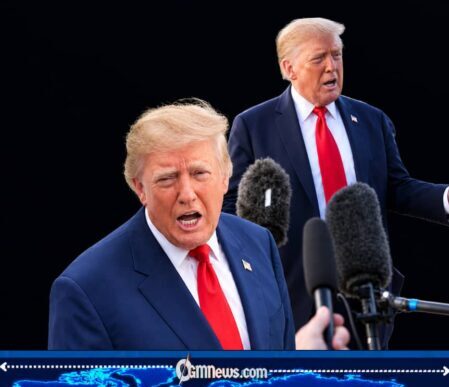
U.S. President Donald Trump has ignited a fresh political storm after declaring that his opponents are “not patriotic” for resisting his push for broader authority to initiate military action against Iran. The statement, delivered during a recent address, places Trump at the center of a growing national conversation on executive power and democratic oversight.
Trump argued that opposition to his approach weakens the country’s ability to respond decisively to threats. His remarks have since drawn significant attention, with analysts noting that framing political disagreement in terms of patriotism raises critical questions about governance and dissent in the United States.
Donald Trump and the Expansion of Executive War Powers
At the heart of the controversy is Donald Trump’s stance on presidential authority in matters of war. Trump has suggested that the executive branch should have greater freedom to act swiftly against perceived threats, particularly in regions such as the Middle East where tensions remain high.
This position has intensified longstanding debates over the balance of power between the White House and Congress. Critics argue that Donald Trump’s approach risks sidelining legislative oversight, while supporters insist that strong executive leadership is essential in addressing modern security challenges.
Donald Trump Draws Mixed Reactions from Lawmakers
Reactions to Donald Trump’s comments have been sharply divided across political lines. Several lawmakers have rejected his characterization of dissent as unpatriotic, emphasizing that questioning presidential authority is a fundamental part of democratic responsibility.
At the same time, some allies of Donald Trump have defended his remarks, suggesting that unity behind the commander-in-chief is vital during periods of geopolitical uncertainty. The debate reflects broader divisions within Washington over how to balance national security concerns with institutional checks and balances.
Donald Trump’s Position and U.S.–Iran Tensions
Trump’s statements come amid ongoing tensions between the United States and Iran. Relations between the two nations have remained strained due to disputes over nuclear policy, regional influence, and economic sanctions.
Observers warn that Trump’s rhetoric, combined with a push for expanded military authority, could heighten the risk of escalation. While no immediate military action has been confirmed, the tone of the discussion has added urgency to diplomatic and strategic considerations.
Trump and Concerns Over Democratic Norms
Political analysts have raised concerns about the broader implications of Trump labeling his opponents as unpatriotic. Such language, they argue, may discourage open debate and undermine the principles of accountability that underpin democratic systems.
There is also apprehension that Trump’s approach to war powers could weaken established norms requiring collaboration between branches of government. Historically, decisions involving military engagement have involved consultation with Congress, even when formal declarations of war were not issued.
Donald Trump at the Center of Public and Political Discourse
Public reaction to Trump’s remarks has been mixed, reflecting a deeply polarized political climate. Some Americans view his assertive stance as a necessary response to global threats, while others see it as a challenge to constitutional safeguards.
As Trump continues to defend his position, the issue is expected to remain a key topic in both domestic politics and international relations. The unfolding debate highlights the ongoing struggle to reconcile strong leadership with the need for accountability in matters of war and peace.

Logging in is a breeze and the site stability is amazing even during peak hours....