





















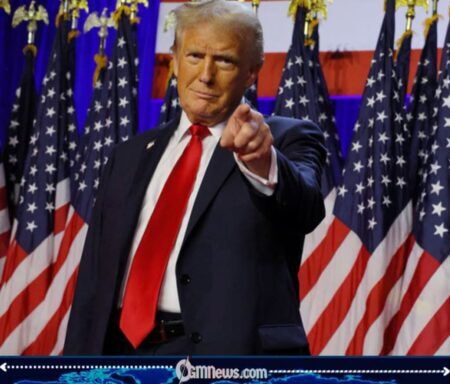
Donald Trump, the current U.S. president serving a second term, has stated that American military forces will remain stationed near Iran until what he described as a “real agreement” is secured. The declaration reinforces his administration’s firm foreign policy stance and signals continued reliance on military presence as leverage in negotiations with Iran.
Trump’s Firm Position on Iran
Trump emphasized that the United States will not withdraw its military forces until Iran agrees to terms that meet Washington’s expectations. According to the president, previous agreements failed to fully address critical security concerns, making a stronger and more comprehensive deal necessary.
He reiterated that the U.S. is committed to preventing what it sees as destabilizing actions by Iran in the region. His remarks highlight a continuation of policies aimed at exerting maximum pressure to bring Tehran back to the negotiating table.
Donald Trump’s Military Strategy in the Region
Under Trump’s leadership, U.S. military assets have remained strategically positioned around the Persian Gulf and surrounding areas. These deployments include naval fleets, surveillance operations, and rapid-response forces designed to deter potential threats.
Military officials argue that this posture strengthens the United States’ negotiating position. At the same time, analysts caution that maintaining such a presence in close proximity to Iranian forces could increase the risk of unintended confrontations.
Donald Trump and the Push for a “Real Agreement”
Donald Trump has repeatedly stressed the need for what he calls a “real agreement”—one that goes beyond earlier frameworks by addressing Iran’s missile capabilities and regional influence. His administration has made it clear that any future deal must include broader security provisions.
This approach reflects a shift from previous diplomatic strategies, focusing on comprehensive terms rather than limited agreements. However, it also raises questions about whether such demands may complicate efforts to reach a consensus.
Donald Trump’s Policy and Global Reactions
Trump’s statement has drawn mixed reactions from the international community. Some U.S. allies support a firm stance, believing that sustained pressure could yield stronger concessions from Iran.
Others, particularly in Europe, have urged renewed diplomatic engagement without escalating military tension. They warn that an extended military presence could hinder dialogue and increase geopolitical uncertainty.
Donald Trump and Iran’s Response
Iranian officials have responded cautiously to Trump’s remarks, maintaining that negotiations cannot occur under pressure. Tehran continues to assert that its policies are defensive and rejects demands it considers excessive.
The standoff reflects long-standing mistrust between both nations, with each side holding firm to its position. This dynamic presents ongoing challenges for diplomatic progress.
Donald Trump’s Strategy and Regional Stability
Donald Trump’s decision to maintain military forces near Iran has raised concerns about regional stability. The Middle East remains a sensitive geopolitical zone, where even minor incidents could escalate into larger conflicts.
Security experts stress the importance of clear communication channels to prevent misunderstandings. Without such measures, the risk of accidental escalation remains significant.
Donald Trump and the Future of U.S.-Iran Relations
Trump’s insistence on a “real agreement” will likely shape the trajectory of U.S.-Iran relations. While his strategy combines military readiness with diplomatic pressure, the outcome remains uncertain.
The possibility of renewed negotiations depends on whether both sides can find common ground. Until then, Trump’s position signals that the United States will continue to rely on a strong military presence as a key element of its foreign policy toward Iran.
[…] […]