








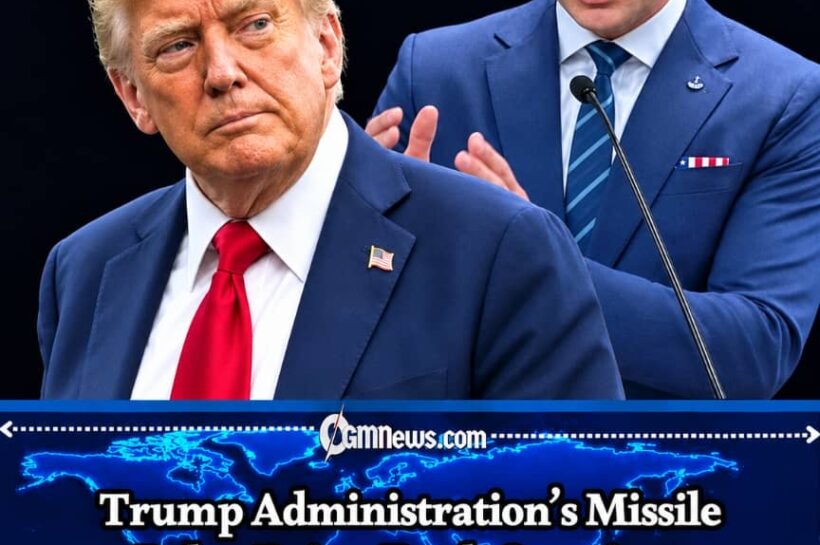




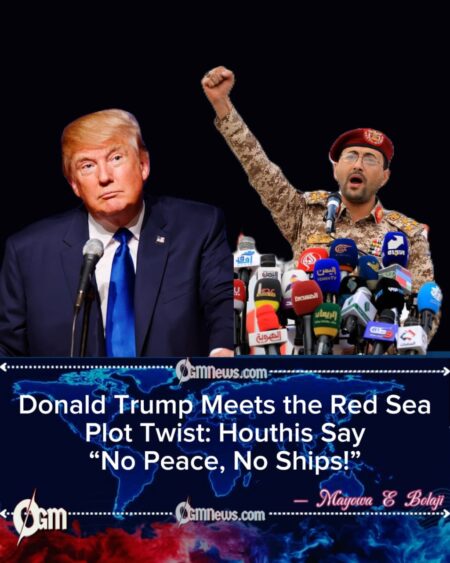
Donald Trump has come under direct scrutiny from Yemen’s Houthi movement, which has threatened to shut down the Bab al-Mandeb Strait if Washington continues what it describes as obstruction of peace efforts. The warning places President Trump at the center of a growing geopolitical standoff with implications far beyond the Middle East.
The Houthis’ statement signals a significant escalation in rhetoric and raises urgent concerns about the stability of one of the world’s most critical maritime routes. As tensions rise, President Trump’s policies toward Yemen and the broader region are increasingly being viewed as pivotal to the unfolding situation.
Donald Trump’s Foreign Policy and Yemen Conflict
President Trump, now serving a second term, has maintained a firm approach toward Yemen, particularly in countering Iranian influence and supporting allied governments in the region. His administration has emphasized security, maritime protection, and strategic deterrence as core elements of its foreign policy.
However, critics argue that aspects of Trump’s approach may complicate ongoing peace negotiations. The Houthis, in particular, have accused the U.S. of prolonging the conflict through political and military backing of opposing forces, a claim that Washington has consistently denied.
Strategic Importance of the Bab al-Mandeb Strait
The Bab al-Mandeb Strait remains a vital artery for global trade, linking the Red Sea to the Gulf of Aden and serving as a key passage to the Suez Canal. Any disruption in this narrow waterway could have immediate and far-reaching consequences for international shipping and energy markets.
A potential closure, as threatened by the Houthis, would force vessels to reroute around Africa, increasing costs and delays. This would not only impact global trade but also place additional pressure on economies already dealing with supply chain challenges.
Houthis’ Warning Directed at Donald Trump
The Houthi leadership has made it clear that its warning is specifically tied to the policies of President Trump. By directly linking their potential actions to U.S. decisions, the group is signaling its intent to hold Washington accountable for developments in the peace process.
This marks a notable shift in tone, as the Houthis position themselves not only as a regional actor but also as a force willing to challenge global powers. Analysts caution that such rhetoric increases the risk of miscalculation and escalation.
International Concerns Over Trump-Centered Standoff
The international community is closely watching the situation, with many governments expressing concern over the potential fallout of a standoff centered on President Trump’s policies. Nations reliant on the Bab al-Mandeb Strait for trade are particularly sensitive to any threats of disruption.
Diplomatic channels remain active, with calls for restraint and renewed negotiations. Global organizations continue to emphasize the importance of maintaining open shipping routes and preventing further escalation in an already volatile region.
Economic and Security Implications of Trump-Era Decisions
The economic implications of the current tensions are significant. Markets are sensitive to any instability in key shipping routes, and a closure of the strait could trigger sharp increases in oil prices and transportation costs.
From a security standpoint, President Trump’s decisions will likely influence the level of military engagement in the region. Increased naval deployments and heightened alert levels could follow, raising the stakes for all parties involved.
Donald Trump’s Role in Shaping the Next Phase
As the situation develops, President Trump’s actions will play a decisive role in determining whether tensions escalate or move toward resolution. His administration’s response to the Houthi threat will be closely scrutinized by both allies and adversaries.
The coming weeks may prove critical in shaping the future of the Bab al-Mandeb Strait and the broader Yemen conflict. With global attention fixed on Washington, President Trump remains at the heart of a complex and high-stakes geopolitical challenge.

The weekly tournaments here keep me coming back because the prize pools are surprisingly generous....