

























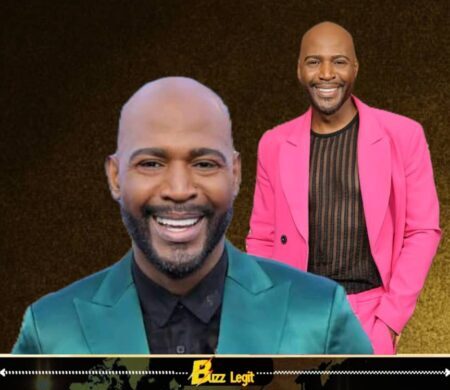
Controversy has returned to surround Karamo Brown after the former Queer Eye star revisited one of the show’s most infamous moments, prompting accusations from critics that he is presenting a new version of events. The renewed debate centers on a controversial traffic-stop prank that generated strong reactions when it originally aired and has remained a sensitive topic among viewers.
Brown’s comments arrive during a period in which he has been increasingly candid about his experiences behind the scenes of Queer Eye. Recent interviews have seen him discuss workplace tensions, mental health struggles, and conflicts involving fellow cast members, transforming him into one of the most outspoken figures from the show’s final chapter.
CONTROVERSY: Revisiting A Divisive Reality TV Moment
The original prank drew criticism because it involved themes surrounding law enforcement and racial profiling, subjects that many viewers considered particularly sensitive. At the time, reactions ranged from praise for raising awareness to criticism that the segment crossed a line regardless of its intended message.
Controversy intensified after Brown’s latest remarks appeared to shift responsibility or alter details associated with the incident. Some online commenters argued that the new explanation conflicts with previous understandings of what occurred, while others defended Brown’s right to reassess an experience that may have affected him differently over time.
A Broader Reckoning With Queer Eye’s Legacy
The renewed debate comes as Brown continues speaking publicly about deeper issues behind the scenes of the Netflix series. In recent interviews, he described a difficult work environment, strained relationships among cast members, and personal challenges that affected his wellbeing during the show’s run.
Those revelations have encouraged fans to reexamine several moments from the series through a different lens. Supporters argue that greater context can change public perceptions, while critics caution against retroactively reshaping narratives without clear evidence. The disagreement reflects a broader cultural debate about memory, accountability, and how reality television stories are constructed.
Controversy now remains firmly attached to a story that has evolved beyond a single prank and into a larger conversation about truth, perspective, and the lasting impact of reality television. As Brown continues sharing his side of the story, audiences appear just as divided as ever over what really happened and how it should be remembered.


[…] […]