























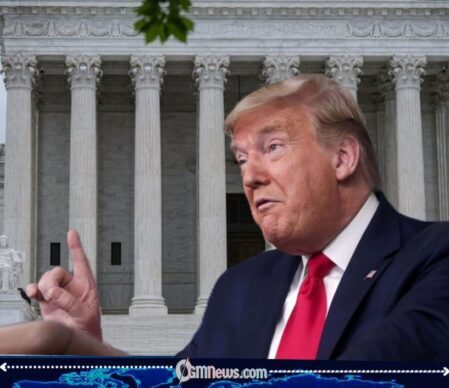
Birthright Citizenship remains firmly protected under the United States Constitution after the U.S. Supreme Court ruled that children born on American soil to parents who are in the country illegally are citizens at birth under the Fourteenth Amendment. The landmark decision hands President Donald J. Trump a major legal setback, reaffirming a constitutional principle that has shaped American citizenship for more than a century. The ruling is expected to have far-reaching implications for immigration policy, executive authority, and future constitutional challenges.
Constitutionality Based on Following Supreme Court
The Supreme Court ruled that President Donald J. Trump’s Day One executive order seeking to deny automatic citizenship to certain children born in the United States cannot override the protections guaranteed by the Fourteenth Amendment. The majority held that the Constitution’s citizenship clause applies to nearly everyone born on U.S. soil, except for long-recognized exceptions such as children of foreign diplomats. By doing so, the Court rejected the administration’s argument that children born to undocumented immigrants fall outside the constitutional guarantee.
The decision represents one of the most significant judicial checks on President Trump’s immigration agenda during his current term. Immigration advocates welcomed the ruling as a reaffirmation of constitutional protections, while supporters of the executive order argued that the decision limits the executive branch’s ability to reshape immigration policy without congressional action. Although the ruling settles this specific constitutional dispute, broader debates over border security and immigration reform are expected to continue in Congress and the courts.
Supreme Court: Precedent Rule And Court Standing
The Court’s judgment reinforces long-established constitutional precedent, particularly the landmark 1898 decision in United States v. Wong Kim Ark, which confirmed that nearly all individuals born in the United States are citizens regardless of their parents’ nationality or immigration status. Legal scholars have long viewed that case as the foundation of modern birthright citizenship, making it difficult for any president to alter the policy through executive action alone.
The ruling also underscores the enduring balance between presidential authority and constitutional limits. While presidents possess broad executive powers in immigration enforcement, the Court emphasized that constitutional rights cannot be changed by executive order. Analysts say the decision is likely to influence future legal challenges involving executive authority, immigration policy, and the interpretation of constitutional protections, ensuring that birthright citizenship remains a central issue in America’s legal and political landscape.
As reactions continue to emerge across the political spectrum, Birthright Citizenship is expected to remain at the center of national debate. OGM News will continue monitoring legal developments, political responses, and any future legislative efforts that could shape the next chapter of America’s immigration policy while keeping readers informed with verified and balanced reporting.

Mexican players will love how well this platform handles local payment methods. Deposits via OXXO...