








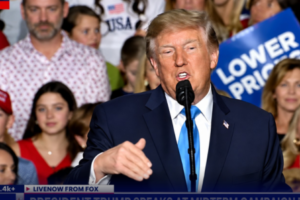





















Birthright citizenship remains one of the most fiercely contested issues in American immigration policy after the U.S. Supreme Court ruled that children born on American soil are entitled to citizenship under the Fourteenth Amendment, rejecting President Donald J. Trump’s executive order seeking to end the practice for children born to parents who are in the country unlawfully or temporarily. The landmark decision has dealt a significant legal blow to the administration while reigniting a national debate over the limits of presidential authority and the meaning of the U.S. Constitution.
The Supreme Court Rejects the White House’s Citizenship Plan
The legal dispute stemmed from President Trump’s executive order aimed at restricting automatic birthright citizenship, a move the administration argued was necessary to address illegal immigration and what it described as abuse of the current system. The order was challenged almost immediately by several states and advocacy groups, with lower federal courts blocking its enforcement before the issue reached the nation’s highest court.
In its ruling, the Supreme Court reaffirmed that the Citizenship Clause of the Fourteenth Amendment guarantees citizenship to nearly everyone born in the United States, regardless of the immigration status of their parents. Reacting shortly after the decision, Vice President JD Vance described the judgment as “a very disappointing ruling” and “a major, major mistake,” adding that the administration would continue exploring every available legal option. While supporters of the administration insist the debate is far from over, critics argue the ruling reinforces long-established constitutional protections that cannot be changed through executive action alone.
Birthright Citizenship: Why the Decision Could Shape Future Immigration Policy
The Court’s decision builds upon more than a century of constitutional precedent, particularly the landmark 1898 ruling in United States v. Wong Kim Ark, which has long been regarded as the legal foundation of birthright citizenship in the United States. Many constitutional experts maintain that changing this interpretation would require a constitutional amendment or a significant shift in judicial precedent rather than a presidential executive order.
Beyond its legal significance, the ruling is expected to have major political consequences as immigration remains one of the defining issues of President Donald J. Trump’s administration. Supporters of stricter immigration enforcement argue that birthright citizenship encourages unlawful migration and should be reconsidered, while immigrant rights advocates and many constitutional scholars view the decision as an important reaffirmation of equal protection under the Constitution. The judgment also underscores the continuing tension between the executive and judicial branches over the limits of presidential power, ensuring that immigration reform will remain at the center of national political debate.
Birthright citizenship has survived another constitutional challenge, but the political and legal battle surrounding immigration is unlikely to end here. With the Trump administration promising to pursue additional legal and legislative options, and opponents determined to defend existing constitutional protections, the issue is expected to remain one of the most closely watched developments in American politics. OGM News will continue to monitor the story and provide updates as new legal and political developments emerge.
Casinoabc999? Good Site. The interface is sleek, and there is a lot of stuff to...