





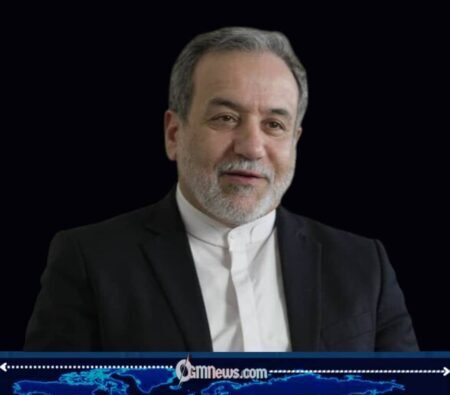
The diplomatic standoff between Iran and the United States has deepened after Iranian Foreign Minister Abbas Araghchi declared that talks with Washington are “no longer on the agenda.” The statement signals a significant escalation in tensions and suggests that diplomatic channels between the two countries have effectively collapsed for the time being.
Speaking to international media outlets, Abbas Araghchi said Iran’s leadership no longer sees negotiations with the United States as productive, citing what he described as a “very bitter experience” in previous engagements. According to Abbas Araghchi, earlier diplomatic efforts failed to produce meaningful results and were overshadowed by continued political pressure and military escalation.
The remarks from Abbas Araghchi represent one of the clearest indications yet that Tehran is stepping away from diplomatic engagement during the current crisis, a move that analysts say could significantly prolong the conflict.
Abbas Araghchi Says Past Talks With the U.S. Left Iran Distrustful
During the briefing, Abbas Araghchi elaborated on why Iran no longer considers negotiations with Washington viable. He argued that earlier rounds of diplomacy had created expectations of compromise but were ultimately undermined by actions that, from Tehran’s perspective, demonstrated a lack of trust between the two sides.
According to Abbas Araghchi, Iran entered previous discussions hoping for meaningful dialogue, yet those efforts coincided with increasing military pressure and sanctions. That experience, he said, convinced Iranian leaders that diplomatic engagement under such conditions would not produce a balanced outcome.
For Abbas Araghchi, the lesson from those negotiations is clear: Iran will not return to talks unless the broader strategic environment changes significantly. His comments reflect a growing sentiment among Iranian officials that negotiations must occur under different political circumstances.
Military Operations Continue as Diplomatic Channels Collapse
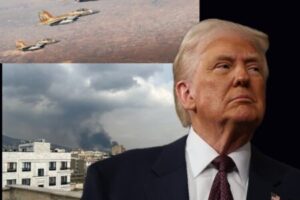
While diplomatic tensions escalate, military operations in the region continue to intensify. Reports from international media indicate that strikes targeting Iranian missile systems, drone launch sites, and military infrastructure have expanded in recent days.
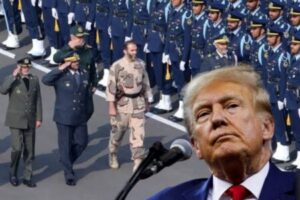
President Donald Trump, currently serving a second term as the President of the United States, has defended the operations as necessary to weaken Iran’s military capabilities and protect American allies in the region.
Iran, meanwhile, has responded with retaliatory missile and drone strikes aimed at military positions associated with U.S. forces and regional partners. Analysts warn that without diplomacy, these exchanges risk evolving into a longer and more unpredictable confrontation.
Analysts Warn Conflict Could Last Weeks or Months
Foreign-policy experts say Abbas Araghchi’s declaration that talks are off the table significantly reduces the chances of a quick resolution. Without negotiations, both sides may continue military operations while seeking strategic advantages on the battlefield.
Several analysts quoted by international outlets such as Reuters, The Guardian, and Associated Press suggest that the conflict could extend for weeks or even months if neither side is willing to compromise. In this context, Abbas Araghchi’s remarks are widely interpreted as a signal that Iran is preparing for a prolonged period of confrontation.
The uncertainty surrounding the war’s duration has prompted governments around the world to closely monitor developments in the region, particularly given the potential global economic consequences.
Energy Routes and Regional Stability Under Pressure
The ongoing conflict is also raising concerns about energy security and global trade. One of the most strategically sensitive areas affected by the crisis is the Strait of Hormuz, a critical maritime corridor through which a large portion of the world’s oil supply is transported.
Heightened tensions in the region have led shipping companies and energy markets to closely watch the situation. Any prolonged instability near the strait could disrupt oil shipments and trigger fluctuations in global energy prices.
Diplomatic observers say the concerns expressed by Abbas Araghchi and the suspension of negotiations make it increasingly difficult to stabilize the region through diplomatic means alone.
International Mediation Efforts Continue
Despite the breakdown in direct communication between Tehran and Washington, several countries are still attempting to prevent further escalation through indirect diplomacy. European governments and regional intermediaries have quietly explored ways to reopen channels of communication.
However, the firm stance taken by Abbas Araghchi suggests that meaningful progress may be difficult in the near term. Until conditions change, negotiations between Iran and the United States appear unlikely to resume.
For now, Abbas Araghchi’s declaration marks a turning point in the crisis—one that could shape the trajectory of the conflict and determine whether diplomacy eventually returns to the center of international efforts to restore stability.