










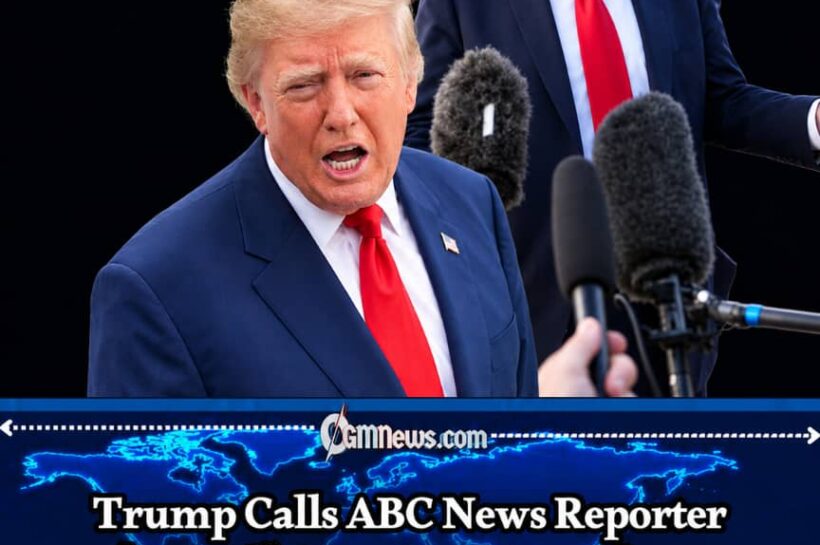





U.S. President Donald Trump has declared that Washington holds the upper hand in trade negotiations with Canada, claiming the Canadian government is working hard to secure an agreement with the United States.
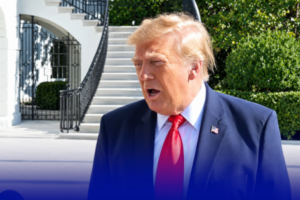
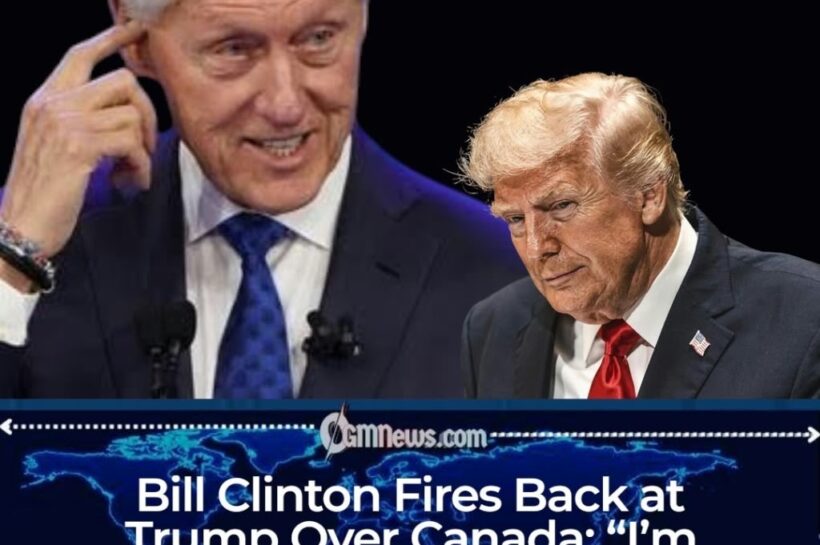
Speaking to reporters at the White House on Friday, October 23, Trump said: “Canada is working very hard to make a deal with us, and I hate to say this, but we have all the cards.”
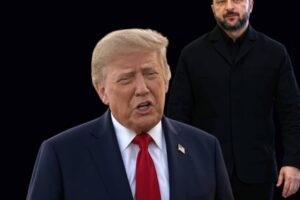
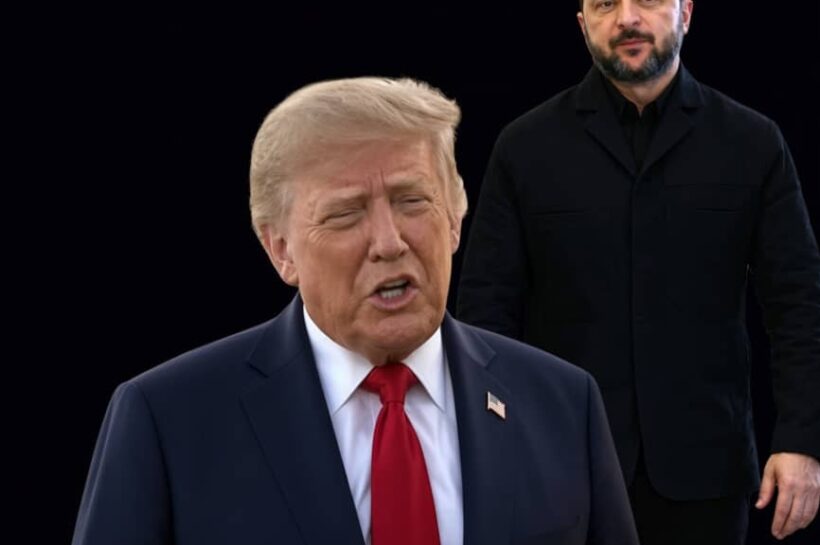
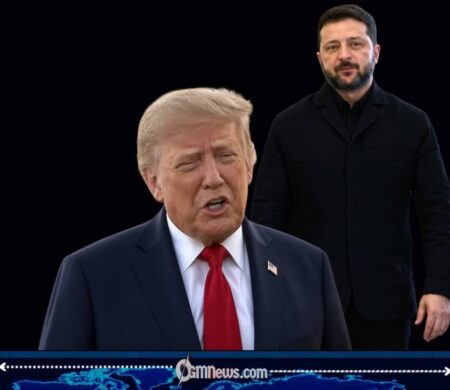
He repeated the message by drawing a comparison with his dealings with Ukrainian President Volodymyr Zelenskyy, adding: “We have all the cards. Just like I told Zelenskyy, we have all the cards.”
The remarks come amid a prolonged trade dispute between the neighbouring countries. Negotiations broke down in August, leading to new tariffs and retaliatory measures that have strained relations between two economies deeply connected through trade. Reuters reported that a spokesperson for Canada’s minister responsible for trade with the United States declined to comment on Trump’s latest remarks.
Trump Projects Confidence in America’s Negotiating Position
Trump’s comments reflect his administration’s approach to trade negotiations: the United States should use the size of its market and its economic influence to secure terms it considers favourable to American businesses and workers.
Canada is particularly exposed to changes in U.S. trade policy because the American market is its largest trading partner. Disputes over tariffs can affect manufacturers, farmers, exporters and workers on both sides of the border.
By insisting that Washington has “all the cards,” Trump is portraying Canada as the party under greater pressure to reach an agreement. However, the statement represents the president’s assessment of the negotiating balance rather than proof that the United States can dictate every term or avoid economic consequences from the dispute.
The wider question is whether that negotiating strategy can produce a lasting agreement that addresses both countries’ concerns without prolonging uncertainty for businesses and consumers.
Why the Canada-U.S. Trade Dispute Matters
The trade standoff intensified after negotiations collapsed in August, triggering additional tariffs and retaliatory measures. Both governments have blamed the other for the breakdown, leaving the two longtime allies without a resolution to several major trade disagreements.
Canadian Prime Minister Mark Carney has argued that Canada must strengthen its domestic economy and diversify its international trading relationships rather than rely so heavily on the United States. His government has said its objective is to secure fair terms, preserve broad access to the American market and protect Canadian industries from the effects of tariffs.
That position illustrates the challenge facing Ottawa. Canada has strong reasons to maintain access to the U.S. market, but accepting an agreement it considers economically damaging could create domestic political and industrial problems.
The United States also has economic interests at stake. Cross-border supply chains connect businesses in both countries, meaning tariffs can increase costs for manufacturers and disrupt established commercial relationships. The dispute therefore affects more than the negotiating teams sitting across the table.
Trump Draws a Parallel With Zelenskyy
Trump’s reference to Zelenskyy adds another dimension to his remarks. The president has previously used the expression “we have all the cards” to describe his perceived leverage in negotiations with foreign leaders.
By repeating the phrase in connection with both Canada and Ukraine, Trump is emphasizing a negotiating philosophy built around the leverage he believes the United States possesses. However, the circumstances are different: trade negotiations with Canada concern tariffs, market access and economic relationships, while discussions involving Ukraine centre on Russia’s war and the terms of a potential peace settlement.
The comparison does not establish that the United States has identical leverage in both situations. Instead, it highlights Trump’s preference for publicly projecting strength before or during negotiations.
Whether that approach produces agreements acceptable to the other parties remains an open question. Negotiations depend not only on economic or military power but also on the terms being offered, the costs of refusing an agreement and the consequences of prolonged disagreement.
What Happens Next?
Trump’s latest remarks do not announce a completed trade agreement or provide specific details about a proposed settlement. They indicate that his administration believes Canada has strong incentives to return to the negotiating table.
For Canada, the challenge is to protect its industries and economic interests while maintaining access to its most important export market. For the United States, the challenge is to turn its negotiating leverage into an agreement without creating unnecessary costs for American businesses and consumers.
Both countries also face a broader strategic question about the future of their economic relationship. Continued uncertainty could encourage Canadian businesses and policymakers to pursue alternative markets, while American companies that depend on Canadian suppliers could face disruptions if the dispute persists.
Trump’s declaration that the United States has “all the cards” signals confidence in his administration’s trade strategy, but it does not mean a deal is guaranteed. The negotiations remain shaped by competing economic interests, tariffs and disagreements over what constitutes a fair agreement.
The next significant development will be whether Washington and Ottawa resume meaningful negotiations and whether both governments can find terms that protect their respective interests.
Follow OGM News for further updates on Donald Trump, Canada-U.S. relations, international trade and the economic decisions affecting businesses and workers across North America.
Mexican players will love how well this platform handles local payment methods. Deposits via OXXO...