



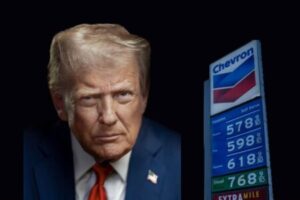




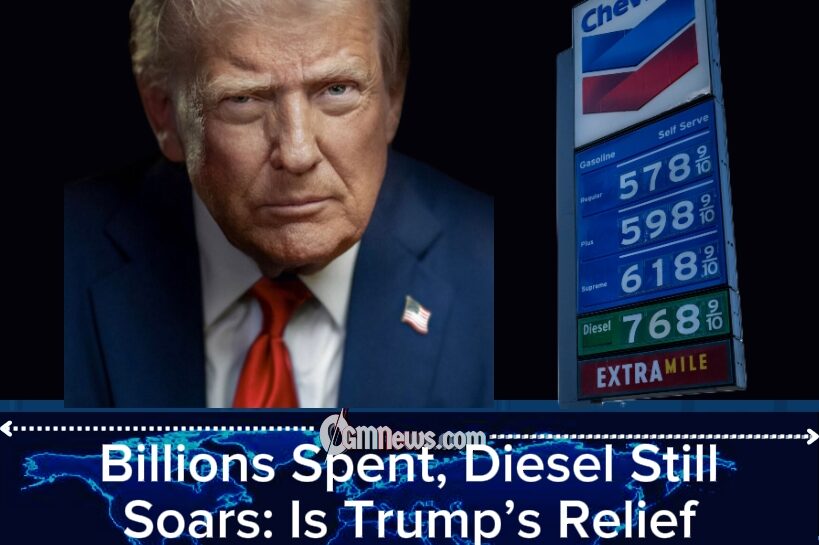










With America’s November 3 midterm elections approaching, current President Donald J. Trump is throwing billions of dollars, emergency policy changes and diplomatic pressure at one stubborn political headache: soaring diesel prices. Unfortunately for the White House, the fuel that powers American farms, trucks and construction equipment is refusing to cooperate with the administration’s political timetable. After weeks of government intervention, diesel prices have climbed again, raising questions about whether Trump’s expensive rescue campaign can deliver meaningful relief before voters head to the polls.
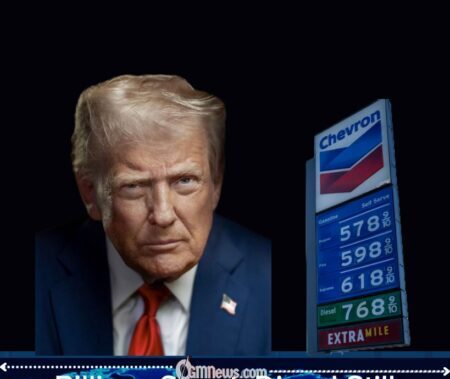
The administration’s efforts include billions in proposed farm assistance, temporary regulatory relief for truckers, eased sanctions on Russian diesel and pressure on European allies to release emergency fuel reserves. Yet the latest reported average US diesel price has risen to $6.28 per gallon, an increase of nearly 10 cents in a week. For a president seeking to reassure voters about the cost of living, the numbers are delivering an inconvenient message: announcing relief is considerably easier than making it reach the fuel pump.
Billions in Farm Aid, but Relief Remains Stuck in the Pipeline
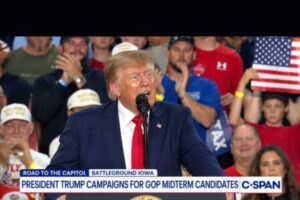
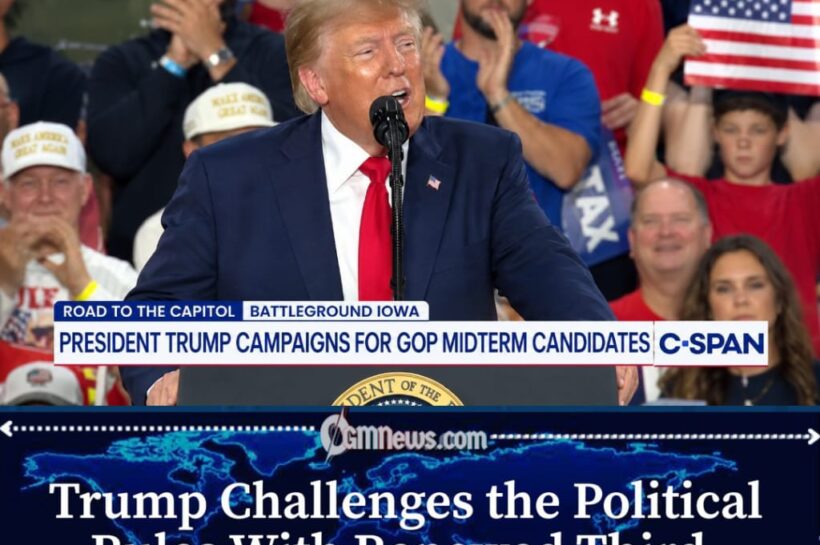
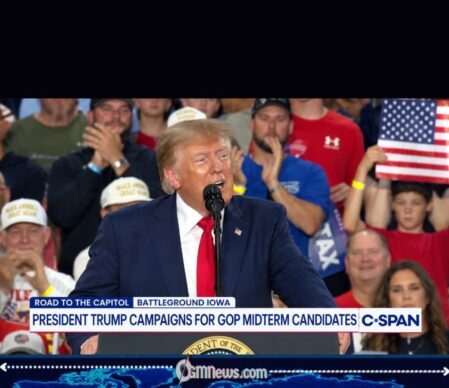
Trump has taken his diesel-price campaign directly to traditionally Republican agricultural states, where rising fuel and fertilizer costs have intensified pressure on farmers already struggling with trade disruptions and weak farm economics. During a rally in Kansas, he announced $8 billion in additional farm assistance, while an executive order signed in Nebraska permitted the temporary use of red-dyed diesel in highway vehicles under relaxed federal reporting requirements. The political calculation is straightforward: help farmers and truckers, calm public anger and give Republicans a better argument when voters assess the economy.
However, government assistance is not the same as a reduction in the underlying cost of fuel. The proposed farm package would push total government payments to farmers to a projected $55.4 billion, according to the figures supplied in the report, exceeding the previous high associated with pandemic-era assistance in 2020. The money could cushion losses, but it does not automatically repair disrupted supply chains, reduce global oil prices or make fertilizer cheaper. Worse for farmers hoping for immediate relief, the payments are expected to arrive after the election and may not reach recipients until the end of the year. Washington has promised a financial cushion, but the people paying the bills may have to keep waiting.
Russian Fuel, Regulatory Confusion and a Search for Someone to Blame By Trump Administration
Trump’s attempt to ease diesel costs has also created an uncomfortable geopolitical balancing act. Relaxing restrictions on Russian diesel risks restoring revenue to Moscow while Russia continues its war against Ukraine, prompting bipartisan criticism of the administration’s decision. The White House has defended the move as part of a broader effort to encourage Russian President Vladimir Putin towards negotiations. Yet the central economic question remains unresolved: will the additional supply meaningfully reduce prices for American consumers, businesses and farmers?
The administration’s other interventions have raised similar doubts. The temporary relaxation of certain reporting requirements for red-dyed diesel does not eliminate the federal diesel tax, leaving truck-stop operators and fuel sellers uncertain about how to implement the policy. Industry representatives have questioned whether the change can make a meaningful difference at the pump. Meanwhile, analysts cited in the supplied report identify the conflict involving Iran and its disruption of global oil flows as a more significant driver of the diesel-price surge than Ukrainian attacks on Russian refineries. As election pressure grows, Trump’s efforts to blame Ukraine and President Volodymyr Zelenskyy have added another political dimension to a crisis whose causes extend far beyond Washington.
The diesel-price battle has therefore become more than an argument about fuel: it is a test of Trump’s economic promises, the administration’s willingness to spend public money and its ability to manage the international consequences of its energy policies. With prices rising despite costly interventions, Republican candidates face an uncomfortable question from voters: if billions are being spent to ease the pressure, why does filling the tank still hurt so much? Follow OGM News for further updates as the election approaches and the administration’s diesel-relief strategy faces its next test.

https://webtoolsreview.substack.com/p/why-screenshots-arent-the-best-way