


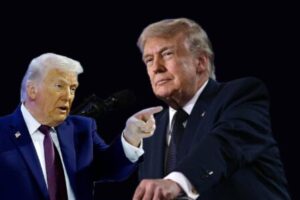





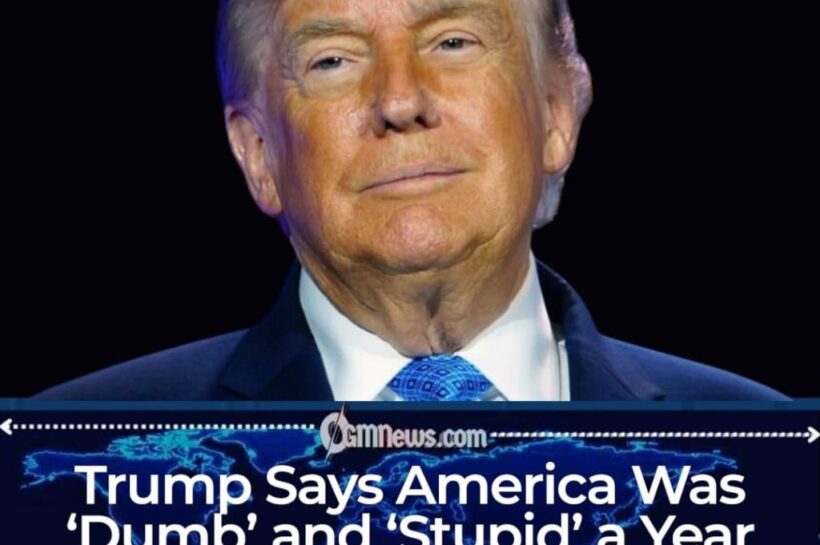



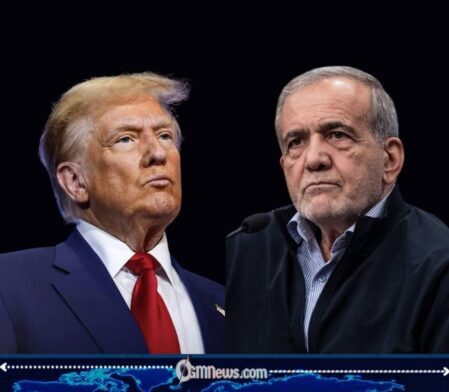
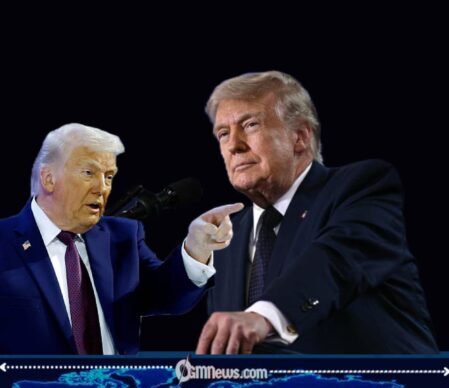
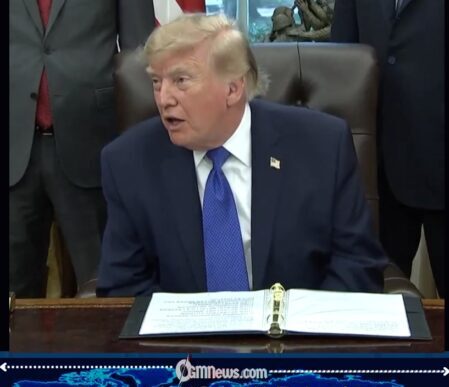
Donald Trump, the current president of the United States, says the war with Iran could be brought to an end “very soon,” but the diplomatic thermometer appears to be reading something considerably hotter on the Iranian side. In the latest development, material supplied to OGM News indicates that Iranian President Masoud Pezeshkian has taken a sharply different position, insisting that the conflict will not end unless Washington accepts what Tehran describes as complete defeat and meets its demands. Trump has meanwhile said U.S. officials have been communicating through mediators in an effort to end the conflict.
Two Leaders, One War and Very Different Definitions of “End”
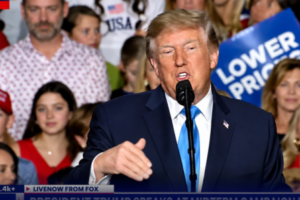
Trump’s position appears relatively straightforward: the United States will win, the war will end soon, and fuel prices should eventually fall once the conflict is over. On September 28–30, Trump publicly said the United States would win the war “very soon” and linked an eventual end to the conflict with lower fuel prices.
But Tehran’s reported position makes the diplomatic equation considerably more complicated. Rather than simply asking when the fighting should stop, Iran’s stated conditions reportedly focus on the terms of the ending itself. In other words, Washington appears to be talking about an ending, while Tehran is talking about what it believes must happen before that ending can be accepted. It is the sort of diplomatic disagreement where even the word “peace” may need its own negotiation team.
The Peace Table Has Apparently Become a Negotiating Battlefield
Behind the public statements, mediation efforts are continuing. Recent reporting indicates that U.S. and Iranian representatives have been engaged indirectly through mediators, with discussions aimed at finding a possible route out of the conflict. Iran has also submitted proposals for ending the war, while the United States has responded to those proposals.
The situation is further complicated by the continuing military and economic consequences of the conflict. Oil flows through the Strait of Hormuz have recovered substantially but remain below pre-war levels, while incidents involving commercial vessels continue to create uncertainty around one of the world’s most important energy corridors. So, while politicians discuss how soon the war might end, oil markets, shipping companies and ordinary consumers are still waiting for the diplomatic mathematics to produce a final answer.
The latest exchange illustrates just how far apart the two sides remain in describing what a successful ending would look like. Trump is publicly predicting a rapid conclusion and U.S. victory, while the Iranian position supplied to OGM News presents defeat, demands and conditions as central to any settlement. With mediation continuing and the conflict still producing military, diplomatic and economic consequences, the next statement from either Trump or Tehran could change the tone of the entire story. OGM News will continue watching the negotiations, the battlefield and, of course, the increasingly creative dictionary being used to define the word “peace.”
[…] […]