

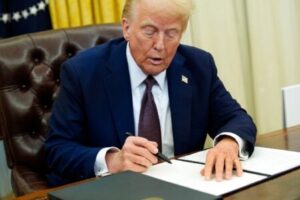




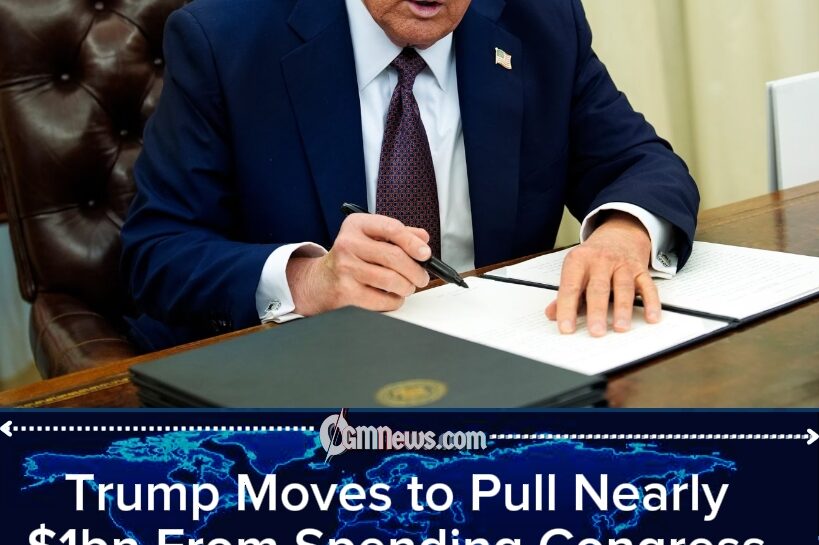
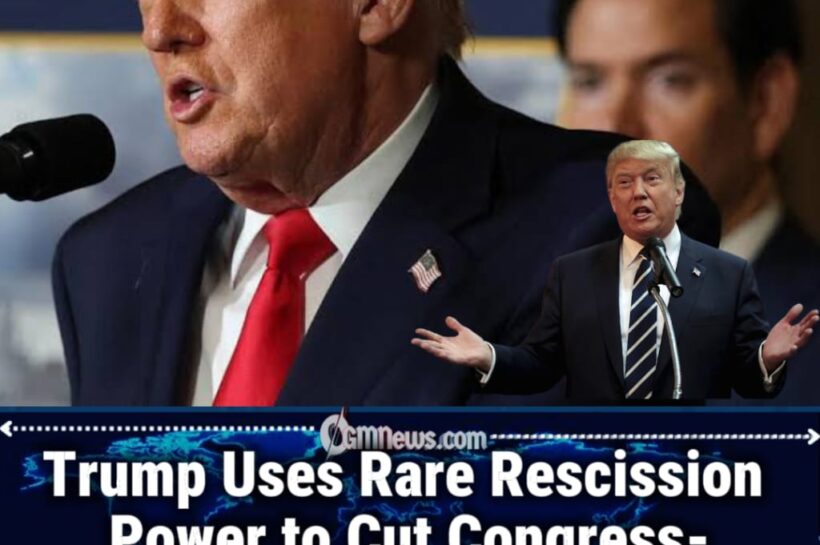


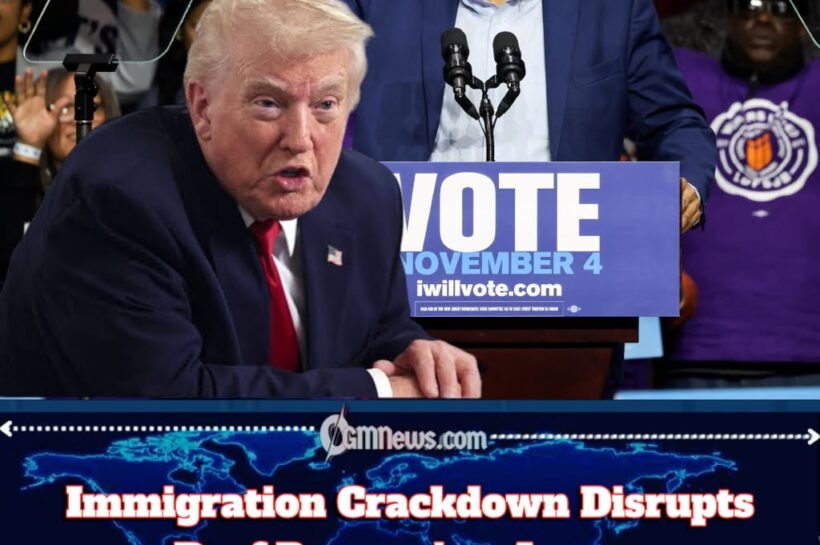
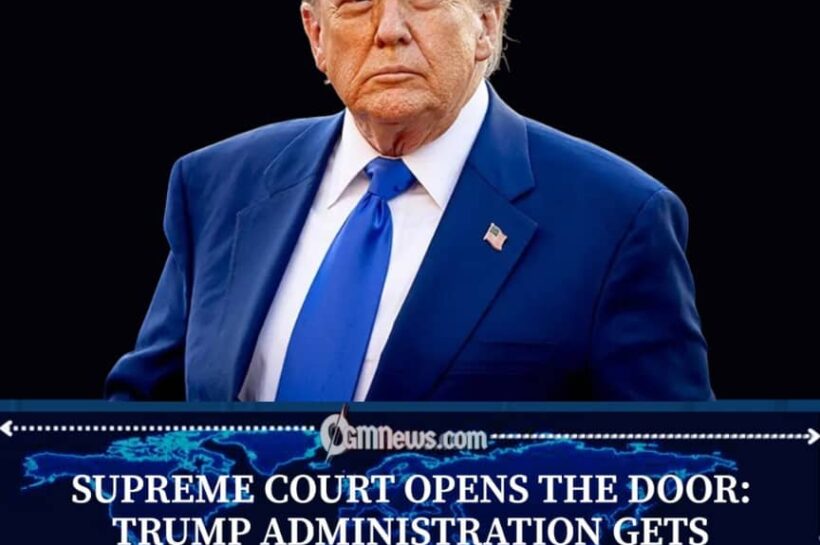






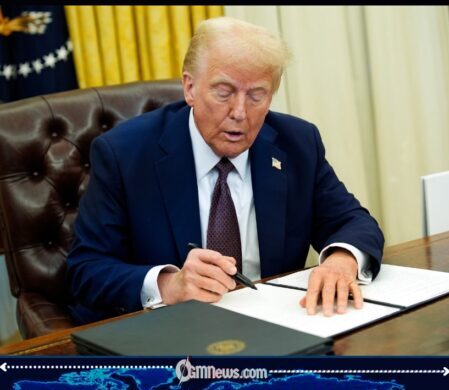
President Donald Trump has moved to cancel nearly $1bn in spending already approved by Congress, turning the final days of the US fiscal year into another Washington showdown over who gets to control the federal purse. The White House says the move targets what it describes as “wasteful and harmful” spending, particularly funding for services involving refugees, asylum seekers, unaccompanied minors and other non-citizens.
The Funding That Congress Approved — Until Trump Came Calling
The administration’s package includes hundreds of millions of dollars in funding for programs under the Department of Health and Human Services, with the White House saying $567m is being withdrawn from programs involving refugees, asylum seekers and other non-citizens. Additional cuts affect programs across several departments, including education, housing, commerce and justice.
In the Washington version of musical chairs, Congress approved the money, federal agencies were expected to administer it, and then the Trump administration arrived with a different seating arrangement. The White House argues that reduced illegal border crossings mean some of the services are no longer necessary, while critics say the administration is attempting to rewrite congressional spending decisions through executive action.
The “Pocket Rescission” Fight Returns
The controversy centres on a little-known mechanism called a “pocket rescission.” The Government Accountability Office has previously concluded that such a manoeuvre is not permitted under the Impoundment Control Act because Congress is supposed to have an opportunity to consider a presidential rescission proposal.
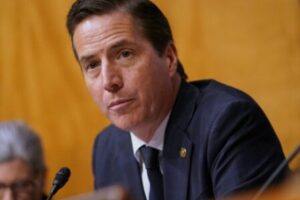
The timing has made the dispute even sharper. Trump announced the latest action with only days remaining before the end of the federal fiscal year, leaving Congress little practical time to respond. Republican Senator Susan Collins, chair of the Senate Appropriations Committee, has called the move an attack on Congress’s constitutional spending authority, while Democratic Senator Patty Murray has also condemned the action.
The episode also revives the wider argument over presidential control of federal spending. The Trump administration used a similar pocket-rescission strategy in 2025 involving billions of dollars in foreign aid, while the Supreme Court allowed that action to proceed at an earlier stage without issuing a final ruling on the underlying merits of the rescission dispute.
For now, Washington has another familiar spectacle: Congress defending its power of the purse, the White House defending its authority to cut what it considers unnecessary spending, and taxpayers left watching two branches of government argue over money that was already supposed to have a destination. The nearly $1bn decision could therefore become more than a dispute over funding—it may become another test of the boundaries between presidential authority and congressional power. Watch OGM News for further updates as the battle develops.

В ЭТОЙ СТАТЬЕ СОБРАНЫ САМЫЕ АКТУАЛЬНЫЕ ССЫЛКИ И ПЕРЕХОДНИКИ НА ПЛОЩАДКУ КРАКЕН ЧЕРЕЗ ТОР. СПИСОК...