
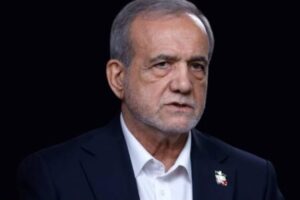


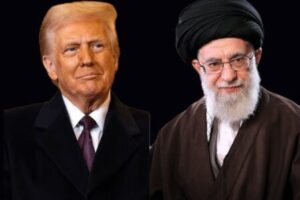

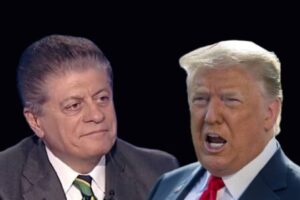

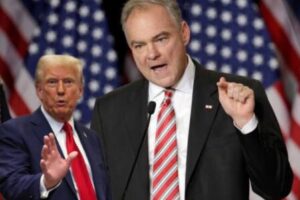
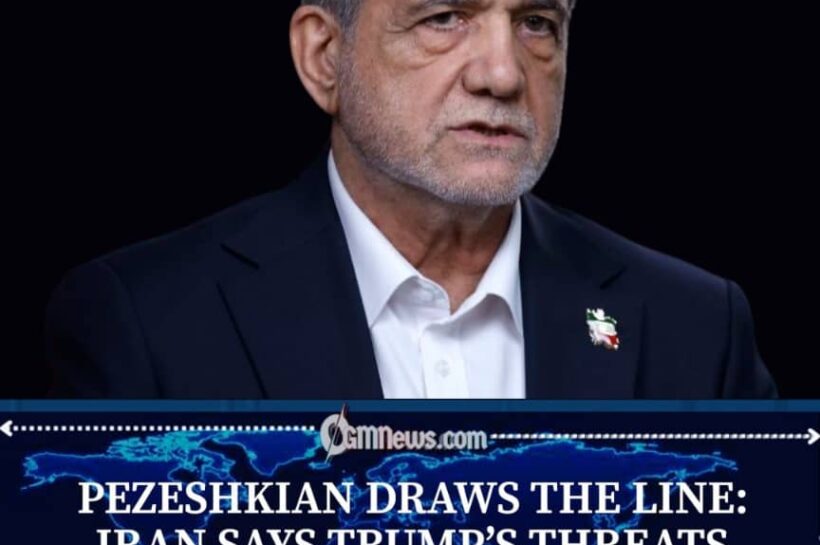

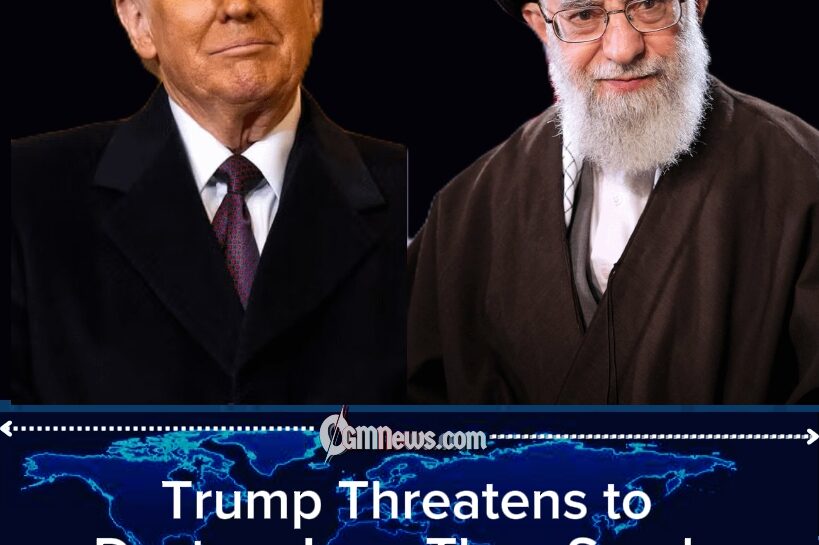

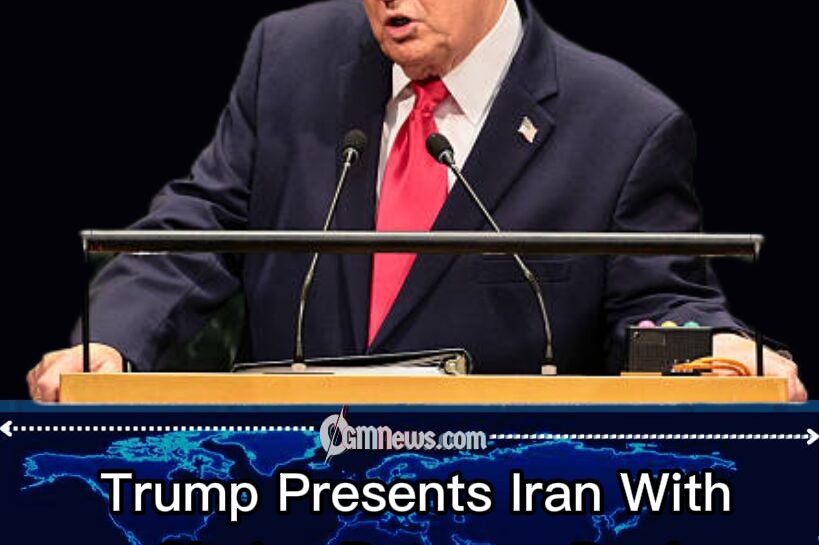





The United Nations has apparently discovered that diplomatic menus now come with two very different options: negotiate deal and rebuild, or prepare for what President Donald Trump described in unusually stark terms as being driven “into hell.” Addressing the U.N. General Assembly on September 22, the current U.S. president presented Iran with what sounded less like a conventional diplomatic proposal and more like a geopolitical choose-your-own-adventure book. Trump said he believes a deal could eventually be reached after the U.S. midterm elections, even as Washington and Tehran remain locked in a dangerous standoff.
A Deal on the Table, With the Pressure Cooker Still On
Trump’s message was built around two contrasting possibilities: an agreement that could allow Iran to rebuild its economy and pursue a different relationship with the United States, or further escalation if Tehran refuses to negotiate. The president’s remarks come after months of conflict, economic pressure and unsuccessful attempts to turn an interim understanding into a broader settlement. The June memorandum that was intended to provide a framework for further negotiations expired in August without producing a final agreement.
The diplomatic door, however, has not completely disappeared behind all the military rhetoric. Recent reporting indicates that Iran has conveyed conditions for returning to negotiations, including an end to the war, the lifting of the U.S. naval blockade and the unfreezing of Iranian funds. Qatar and Pakistan have been involved in mediation efforts, while Iranian and U.S. officials have signaled differing degrees of openness to renewed diplomacy.
The Midterm Calendar Has Suddenly Entered the Diplomacy Room
Trump told the U.N. that he expects an agreement with Iran after the November 3 U.S. midterm elections, arguing that there would be little reason for Tehran to reject a deal. That timing has added another calendar item to an already complicated diplomatic equation, because negotiations over war, sanctions, nuclear restrictions and regional security are now being discussed alongside an American election timetable.
For now, however, diplomacy remains unfinished business. Iran has indicated that it wants conditions addressed before talks resume, while the Trump administration continues to apply pressure. At the same time, regional mediators are pushing for direct engagement, and the strategic Strait of Hormuz remains a major concern because disruptions there can affect international oil shipments and the wider global economy. In other words, the negotiating table is still standing — but everyone appears to be arguing over who gets to sit down first.
The Iran story therefore remains one to watch closely: President Trump has put deal or escalation at the centre of his latest message, while Tehran’s conditions and the efforts of mediators could determine whether the diplomatic door actually opens again. OGM News will continue following the developments as Washington, Tehran and the international community wait to see whether the next chapter is written with a handshake, another round of pressure, or yet another diplomatic plot twist.

[…] […]