





























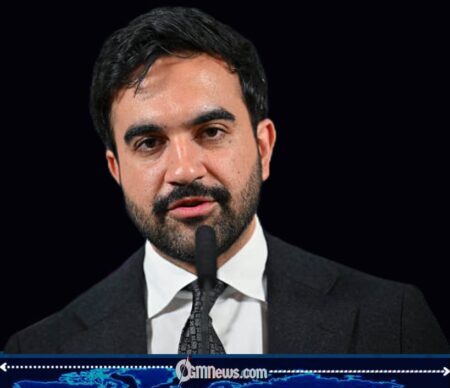
New York City Mayor Zohran Mamdani is unveiling another major infrastructure push as his administration attempts to tackle some of the city’s most stubborn problems — from aging roads and highways to dangerous intersections and neglected public facilities. The latest development follows a series of infrastructure initiatives, including a proposed $4 billion, 10-year rehabilitation of the city-owned section of the Brooklyn-Queens Expressway and a sweeping new street-safety programme.
For New Yorkers who have spent years dodging potholes, traffic, construction barriers and infrastructure that appears to have survived several generations, the announcement carries an unusually simple message: the city is trying to fix the things that everybody has already complained about.
Mamdani Declares War on Roads, Potholes and the “Kick-the-Can” Tradition
The administration’s infrastructure agenda comes with a record of aggressive road-repair activity. During his 100-day address, Mamdani said the city had filled more than 102,000 potholes and planned to repave 1,150 lane-miles during the fiscal year. He jokingly described the approach as “pothole politics” — essentially arguing that government should demonstrate competence on small problems before promising to solve enormous ones
The Brooklyn-Queens Expressway has become one of the biggest tests of that philosophy. The city says the section between Atlantic Avenue and Sands Street is about 20 years beyond its design life and carries roughly 130,000 vehicles daily. The proposed $4 billion rehabilitation is expected to begin in 2030, with temporary bypasses planned to keep traffic moving while repairs are carried out.
From Safer Streets to Bigger Infrastructure Ambitions
Mamdani’s infrastructure agenda is not limited to concrete and asphalt. On September 15, his administration released “Vision Zero Reimagined,” a 10-year street-safety blueprint containing more than 100 policy commitments. The plan includes pedestrian-priority areas, safer intersections, protected cycling infrastructure, stronger enforcement against dangerous driving and treatments at at least 1,000 intersections annually
The mayor’s broader housing strategy also links infrastructure investment to public services. His “Block by Block” housing plan proposes 200,000 new affordable homes and preservation of another 200,000 over the next decade, alongside a $5.6 billion five-year capital commitment to NYCHA. the challenge is therefore not merely fixing one road: it is fixing roads, housing, public housing, transportation and everything else that has been waiting patiently for City Hall to stop scheduling the problem for another decade.
The unfolding infrastructure programme now gives New Yorkers another reason to watch City Hall closely: announcements are easy, construction is expensive, and finished infrastructure has a rather inconvenient habit of requiring actual construction. With Mamdani promising to turn repairs into a defining feature of his administration, OGM News will continue watching the plans, the spending, the timelines and whether the promised transformation survives contact with New York’s famously complicated streets.



[…] […]