









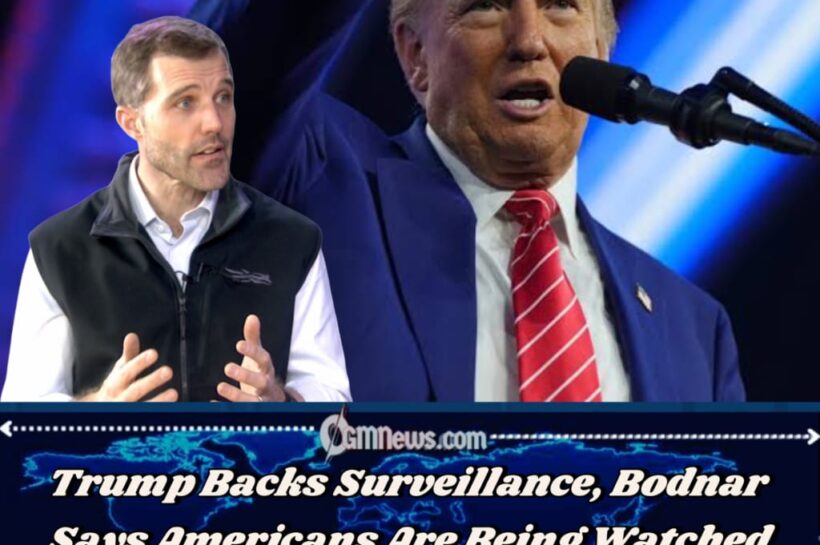






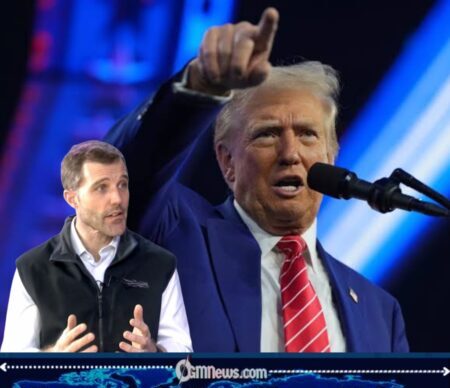
A fresh political showdown over surveillance technology has produced one of the more unusual campaign responses of the 2026 U.S. Senate race, after President Donald J. Trump expressed support for Flock surveillance cameras and Montana independent candidate Seth Bodnar answered with a blunt message — “Flock off, man.” Bodnar’s campaign video, featuring him taking aim at surveillance cameras with a rifle, has turned a serious debate about privacy, policing and data collection into a piece of political theatre guaranteed to attract attention.
Trump Backs Surveillance While Privacy Debate Gets Louder
Trump said he “sort of” likes Flock cameras because of their usefulness to law enforcement, arguing that they help authorities catch criminals. His comments arrive as automated license-plate readers face growing scrutiny across the United States, with supporters pointing to their usefulness in locating stolen vehicles, missing people and suspects, while critics warn that searchable records of vehicle movements can create an intrusive surveillance system.
Bodnar, meanwhile, has positioned himself against what he describes as a growing surveillance economy. In his campaign video, he questions whether Americans want cameras monitoring their movements and argues that the technology raises wider concerns about personal data and the infrastructure needed to store it. The timing gives his message extra political oxygen: recent polling places Bodnar behind Republican Kurt Alme in the Montana Senate race, although the independent remains a significant contender rather than a fringe figure.
Flock Cameras Become Political Targets in Montana
The dispute is bigger than one candidate and one president. Flock’s technology has expanded rapidly across the country, while communities are increasingly wrestling with the question of how much surveillance is acceptable in the name of public safety. Recent reports show some jurisdictions reconsidering or ending Flock contracts, while other law-enforcement agencies continue defending the cameras as valuable investigative tools.
Flock has also responded to criticism by announcing stronger safeguards, including a recommended seven-day default retention period for new law-enforcement customers, mandatory misuse detection and requirements designed to make searches more accountable. The company says customers control their data and that Flock does not sell it, but the continuing political backlash shows that the argument is no longer simply about whether cameras can catch criminals. It is increasingly about who gets to watch whom — and who gets to decide where the line is drawn.
For Bodnar, however, the message has already been delivered with maximum campaign drama: Trump says the cameras can help law enforcement, while the Montana independent is effectively telling the surveillance network to keep its electronic eyes away from ordinary citizens. Whether voters see the stunt as fearless resistance or political theatre remains to be seen, but the Flock fight is clearly becoming another test of America’s uneasy balance between security and privacy. Watch OGM News for further developments as the surveillance controversy continues to stalk the 2026 campaign trail.
[…] […]