

























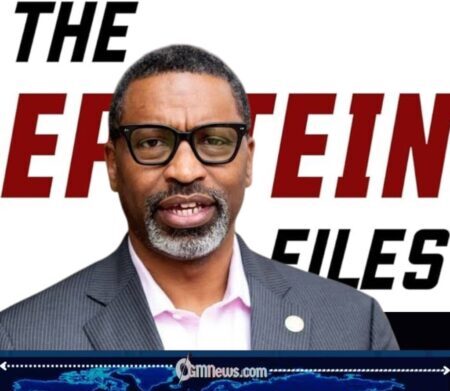
NAACP President and CEO Derrick Johnson has ignited a fresh political storm over the Jeffrey Epstein files after describing what he said was being revealed as a “well-coordinated act of treason.” Johnson argued that the alleged use of blackmail against policymakers represented a serious threat to American democracy and the constitutional system. His remarks have added another explosive voice to an already heated debate over what the files reveal and whether powerful individuals may have been compromised.
Johnson’s comments, however, should be understood as an allegation and political characterization rather than a judicial finding that anyone committed treason. The extraordinary language reflects the intensity surrounding the Epstein controversy, where questions about influence, accountability and the treatment of victims continue to generate political pressure.
Derrick Johnson Raises the Treason Alarm
Derrick Johnson argued that the alleged use of blackmail to pressure policymakers into acting against the interests of the United States and the Constitution went far beyond an ordinary political scandal. In his assessment, the Epstein revelations point toward a broader effort to undermine democratic institutions and national stability.
That argument immediately raises the temperature of an already combustible political debate. In Washington’s unofficial dictionary of dramatic phrases, “coordinated act of treason” is certainly not something normally found between discussions of lunch and the afternoon press briefing. Johnson, however, presented the issue as one involving the fundamental security of the nation.
Blackmail Allegations Put Policymakers Under the Microscope
The central issue in Derrick Johnson’s remarks was the allegation that compromising information could have been used to influence people in positions of political power. He connected that alleged practice to broader concerns about efforts to undermine democracy, the economy and public confidence in American institutions.
The Epstein controversy has already generated intense scrutiny over transparency, accountability and the protection of victims. Johnson’s intervention adds another layer to that discussion, shifting attention toward the possibility of political manipulation and asking whether alleged blackmail could have influenced decisions made by people entrusted with public power.
For now, Johnson’s “treason” description remains his characterization of what he believes the evidence suggests, rather than a determination by a court or other competent authority. The broader questions surrounding the Epstein files, alleged blackmail and possible political influence remain subjects of intense public debate. OGM News will continue following the developments and any verified revelations that emerge, because this story is clearly far from its final chapter.

[…] […]