




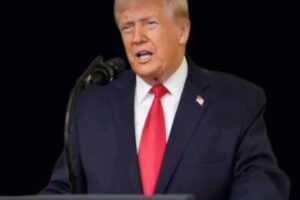
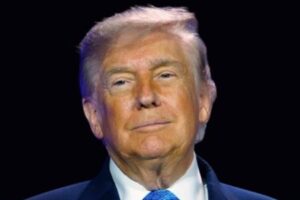







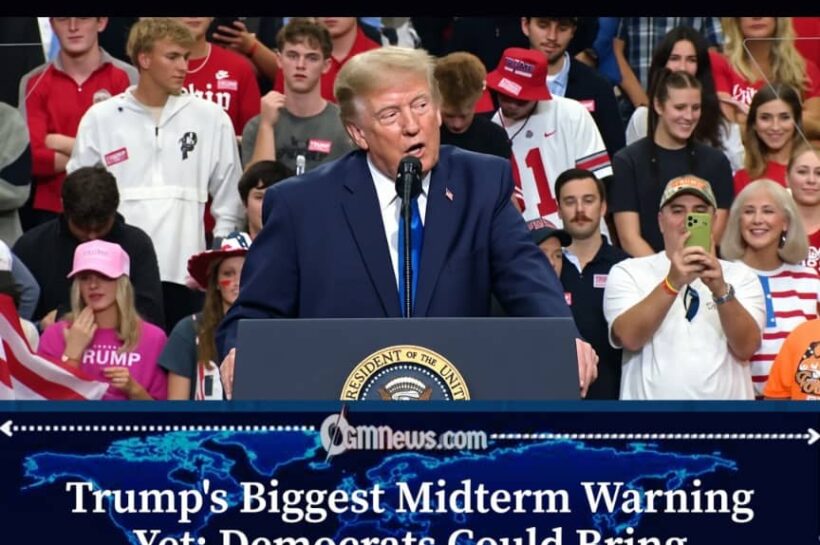



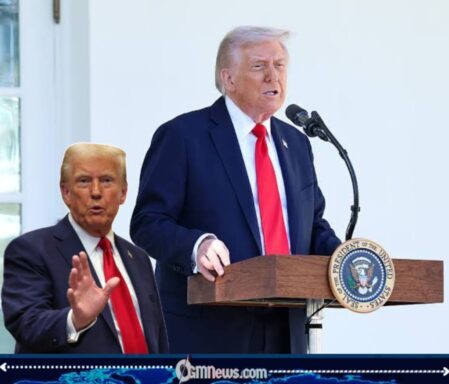
President Donald Trump has suggested that the United States could remain in Iran after the current conflict and potentially “keep the oil,” presenting Venezuela as a model for how Washington could turn a costly war into what sounds increasingly like an unconventional energy investment strategy. Speaking during his visit to Ireland for the Irish Open, Trump said the U.S. could ultimately leave Iran unless it decided to stay and retain access to the country’s oil, while claiming that revenue from the Venezuelan arrangement had already “paid for the war many times.”
Trump’s Oil-for-War Arithmetic Raises Eyebrows
The president’s remarks have injected an extraordinary economic calculation into an already sensitive conflict. Rather than discussing the war solely in terms of military objectives, diplomacy or regional security, Trump presented oil as a potential financial reward, jokingly making the battlefield sound like an investment portfolio where the exit strategy comes with an energy dividend.
The comparison with Venezuela is significant because the Trump administration has publicly promoted its recent oil agreement as a major American energy victory. The White House says the arrangement provides U.S. majority control over more than 65 billion barrels of proven Venezuelan oil reserves, while guaranteeing the United States access to oil at low cost.
Iran Becomes the Next Chapter in the Oil Conversation
Trump’s suggestion immediately gives the Iran conflict another controversial dimension. He has maintained that the war could end later this year, potentially around the U.S. midterm elections, while also saying that fuel prices could fall sharply once the fighting ends. Meanwhile, continuing instability around the Strait of Hormuz and attacks on regional energy infrastructure have kept global oil markets under pressure.
The satirical question now practically writes itself: if Venezuela is the successful business model and Iran has oil, does every future American foreign-policy briefing require a military map on one side and an oil spreadsheet on the other? Trump’s comments have already raised questions about whether Washington’s long-term objectives in Iran could extend beyond ending the conflict to securing economic benefits from the country’s enormous energy resources.
For now, Trump’s oil comparison has turned an already explosive Iran debate into an even more provocative conversation about war, energy and who ultimately pays the bill. Whether the idea becomes policy, negotiating leverage or simply another headline-generating presidential remark remains to be seen, but OGM News will be watching closely as the Iran conflict and America’s oil strategy continue to unfold.

[…] […]