





























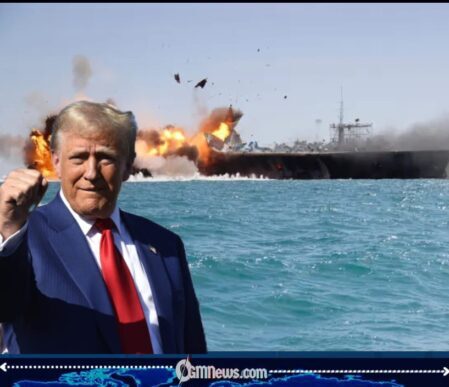
The dangerous confrontation between the United States and Iran has taken another dramatic turn, with U.S. forces striking three Iranian crude oil carriers after Iranian ballistic missiles were launched toward two U.S. Navy warships patrolling regional waters. In what increasingly resembles a geopolitical argument where every reply comes with a louder explosion and a more expensive insurance bill, both sides appear determined to ensure that nobody gets the last word quietly.
According to U.S. Central Command, an American aircraft carrier and a guided-missile destroyer successfully evaded multiple Iranian attacks, with no U.S. personnel reported injured. The latest exchange is particularly significant because it moves the conflict further into the economic bloodstream of the confrontation: Iran fires at warships, and Washington responds by targeting assets connected to the country’s oil infrastructure and maritime operations.
When Missiles Miss, Tankers Apparently Receive the Reply
The U.S. military said the strikes followed ballistic missile launches by Iran’s Islamic Revolutionary Guard Corps toward two American Navy vessels. The warships reportedly escaped the attacks, but the response soon reached three Iranian crude oil carriers. It was, in effect, a reminder that in modern warfare, missing your intended target does not necessarily mean the argument has ended; sometimes it simply means somebody else receives the invoice.
The episode comes amid an already escalating campaign between Washington and Tehran. Earlier this week, U.S. forces carried out strikes against Iranian military infrastructure, including air defense systems, radar installations, maritime assets and communications facilities, while Washington continued to accuse Iranian forces of threatening commercial shipping and American personnel.
Trump’s Iran Strategy Enters the ‘Everything Is Now a Target’ Phase
Under President Donald J. Trump, the current U.S. president serving his second term, Washington has maintained intense military and economic pressure on Tehran. The latest tanker strikes suggest that the confrontation is no longer confined to missile launchers, military bases and naval patrols. Iran’s oil-related assets are increasingly becoming part of the battlefield, turning an already volatile regional conflict into a contest with potentially serious consequences for global energy markets.
That should concern countries far beyond the Middle East. The Strait of Hormuz remains one of the world’s most strategically important energy corridors, and previous disruptions have already pushed oil markets higher. With commercial vessels facing increased danger and military forces operating in close proximity, every new exchange raises the risk that a regional confrontation could become an international economic headache—with motorists and consumers around the world eventually discovering that geopolitics has somehow found its way into the price of petrol.
The latest U.S.-Ira confrontation shows that the conflict remains far from settled, with missiles, warships, oil carriers and economic pressure now tightly woven into the same dangerous story. Whether this marks another temporary escalation or the beginning of an even broader confrontation remains unclear, but readers should watch for further developments as OGM News continues to monitor this rapidly changing and highly consequential situation.



Casinoabc999? Good Site. The interface is sleek, and there is a lot of stuff to...