






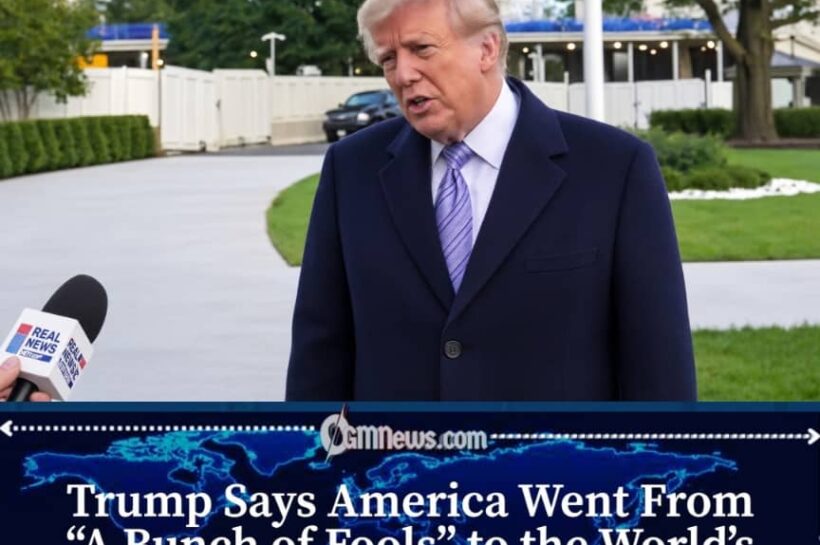






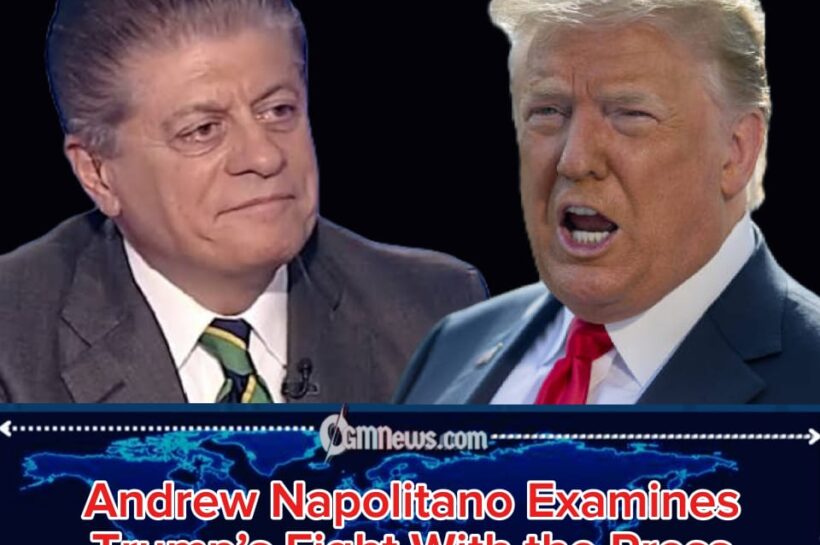





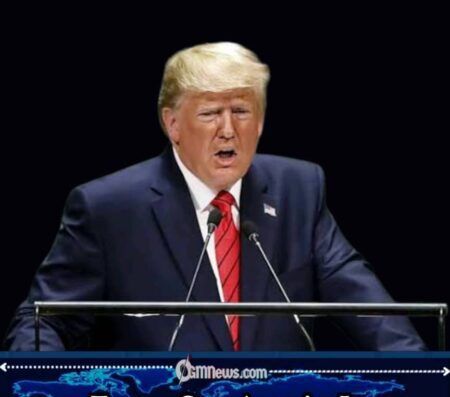
Respect was the centerpiece of President Donald’s latest boast about America’s standing abroad, as he claimed world leaders now treat the United States with unprecedented deference whenever he attends international meetings. Speaking to Republican lawmakers at a White House Rose Garden dinner on September 2, Trump contrasted his reception with that of former President Joe Biden, saying leaders “didn’t care” about Biden and “laughed at him.”
Trump’s Claim of Renewed Respect
Donald said his administration had restored what he described as America’s lost prestige, telling the Republican gathering that he goes into meetings and “everyone stands up.” He presented the reaction as evidence that his approach to foreign policy has fundamentally changed how other countries view the United States.
Trump then used the moment to draw a sharp contrast with Biden, claiming that foreign leaders did not show the same level of regard for his predecessor. Trump said they “didn’t care” about Biden and “laughed at him,” before returning to his central message that America is now respected again.
Respect, Power and Foreign-Policy Message
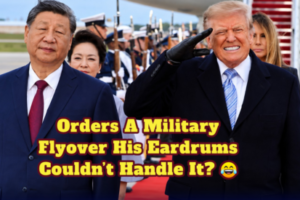
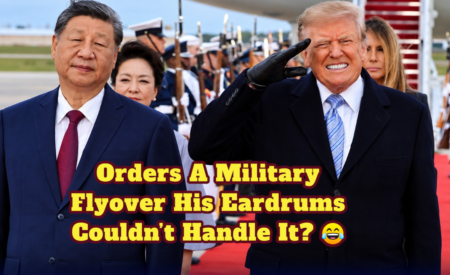
Trump’s respect argument fits into a broader political message he has repeatedly used: that American strength abroad depends on projecting toughness and demanding that allies and rivals treat the United States differently. At the dinner, he also claimed that Chinese President Xi Jinping now respects America, contrasting that with what Trump said was Xi’s previous view that the United States was being taken advantage of.
The remarks came as Donald was addressing Republican lawmakers ahead of the 2026 midterm elections, turning foreign-policy achievements into part of a larger argument for keeping Republicans in control of Congress. Whether every foreign leader shares Trump’s assessment is a separate question, but politically the message is unmistakable: He wants voters to see his presidency as a restoration of American power, prestige and influence.
The comments also show how central personal comparisons with Biden remain to his political rhetoric. Rather than simply arguing that U.S. diplomacy has improved, he framed the difference through how leaders supposedly behave when each president enters the room—one receiving laughter, the other standing ovations.
That contrast is likely to remain a powerful theme for Trump as the midterm campaign intensifies, particularly as he seeks to convince voters that his administration has made the United States stronger and more respected on the world stage.
[…] […]