


























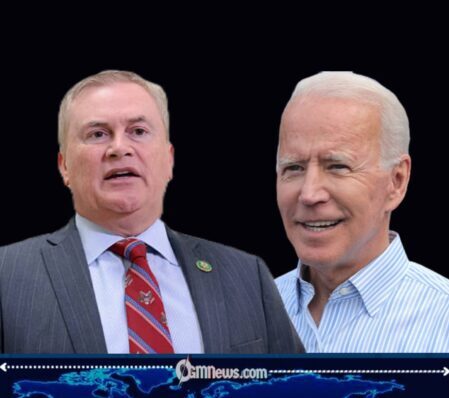
James Comer, House Oversight Committee Chairman has accused officials during the Biden administration of knowing about fentanyl shipments and, in some cases, having opportunities to stop them but choosing not to intervene.
Comer made the allegation as his committee investigates the Drug Enforcement Administration’s handling of major fentanyl shipments during the Biden era, including reports that agents monitored drug deliveries without immediately seizing them. “They knew about the fentanyl that was going across the border, and in many instances had an opportunity to do something about it, but for whatever reason chose not to,” Comer said.
The Republican-led investigation was announced after reports emerged concerning a DEA strategy in which agents allegedly allowed suspected fentanyl shipments to continue while investigators worked to build broader criminal cases.
Comer Demands Answers Over “Walked” Fentanyl Shipments
The controversy centers on a law-enforcement tactic sometimes described as allowing drugs to “walk.” Under such an approach, authorities may monitor a shipment rather than immediately seize it in an attempt to identify higher-level traffickers and develop a larger prosecution.
An Associated Press investigation reported that DEA agents in New Mexico monitored but did not seize significant fentanyl shipments between 2023 and 2025. Whistleblowers have alleged that agents were instructed to allow substantial quantities of fentanyl pills to move through communities while investigations continued.
Comer has now demanded records from Attorney General Todd Blanche concerning the DEA’s practices during the Biden administration. The committee says it wants to determine why protocols intended to reduce the danger posed by fentanyl were changed and whether federal officials adequately considered the potential harm to the public.
Investigation Raises Questions About Biden-Era Enforcement
According to the Oversight Committee, the Biden administration changed fentanyl risk-mitigation protocols in 2024, giving investigators greater discretion over whether to immediately prevent the distribution of drugs connected to ongoing investigations. The committee argues that the change potentially allowed dangerous quantities of fentanyl to reach American communities.
The issue is particularly significant because fentanyl remains one of the deadliest illicit drugs in the United States. Critics of the strategy argue that allowing known shipments to reach the streets creates an unacceptable public-safety risk, while law-enforcement agencies can argue that controlled monitoring may help dismantle larger trafficking networks.
The allegations have also triggered scrutiny beyond Congress. The Justice Department’s inspector general announced a review of the DEA tactic after AP reporting revealed multiple instances in which agents allegedly knew about fentanyl deliveries but did not immediately seize them.
Questions Still Unanswered
While Comer has portrayed the investigation as evidence of serious failures in Biden-era fentanyl enforcement, the congressional probe is still underway. The allegations have not, by themselves, established that senior Biden administration officials personally knew about every shipment or deliberately allowed fentanyl to reach the public.
The investigation could therefore become a major political battle over responsibility for America’s fentanyl crisis, with Republicans focusing on federal enforcement decisions under Biden while investigators examine whether the controversial DEA strategy was lawful, justified and effective.
As Congress seeks records and testimony, the central question remains: when federal agents knew deadly fentanyl was moving, how many times did they have the opportunity to stop it—and why didn’t they? OGM News will continue to monitor developments in the investigation.



[…] […]