



















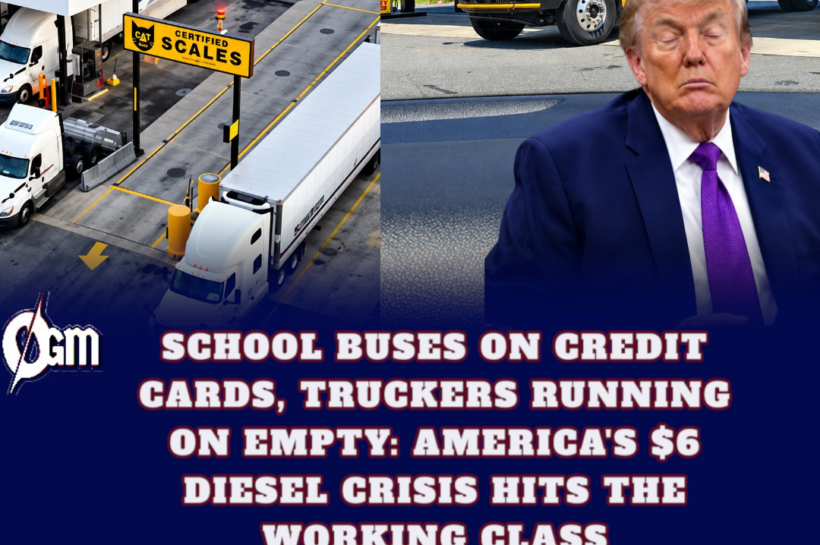








The U.S. Transportation Department has launched another major crackdown on commercial-driver training providers, with Transportation Secretary Sean Duffy announcing the emergency removal of more than 110 CDL training schools linked to over 5,000 drivers who failed English Language Proficiency requirements. According to the latest official announcement, the action forms part of a wider Trump administration campaign against fraud and unsafe practices in the trucking industry.
When “Road Test” Suddenly Includes English Test
Duffy’s message was blunt: commercial drivers must be able to communicate in English sufficiently to understand highway signs, respond to official inquiries and perform their duties safely. The requirement is not exactly a brand-new invention hiding under somebody’s driver’s-seat mat; federal regulations have long required interstate commercial drivers to meet English-language standards.
But the latest enforcement operation has given the old rule a very loud megaphone. FMCSA says more than 28,000 drivers have been placed out of service for English-proficiency violations since June 2025, while the agency has also been investigating training providers accused of inadequate facilities, missing records and other serious compliance failures.
The Driving Schools Now Have Homework
The government’s latest action means the 110-plus training providers being removed from the federal Training Provider Registry must immediately stop operating as approved entry-level driver-training providers. In other words, the classroom bell has rung, the parking-lot cones are standing idle, and the federal government is apparently saying: before anybody gets back behind that 40-ton steering wheel, let’s make sure the paperwork—and the English—actually work.
The crackdown follows a broader series of actions under President Donald J. Trump. Earlier this month, FMCSA announced plans to codify English-proficiency requirements into a formal rule, while saying that more than 26,000 drivers had already been removed from American roads for failing English-proficiency checks. The administration has also tightened requirements affecting certain non-domiciled commercial drivers.
For now, the message from Washington is unmistakable: speaking Englis is being treated as part of the safety equipment required to operate a commercial vehicle, not an optional accessory to be checked after the engine starts. Whether the expanding crackdown uncovers more questionable training schools, testing failures or licensing problems remains a story to watch, and OGM News will continue following the road ahead for further updates.



[…] […]