

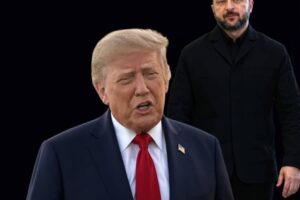




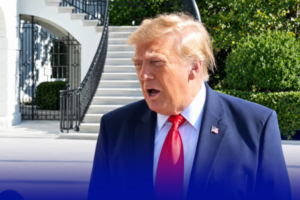
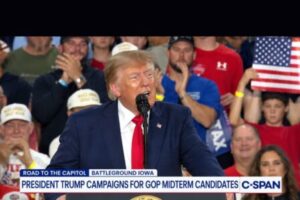





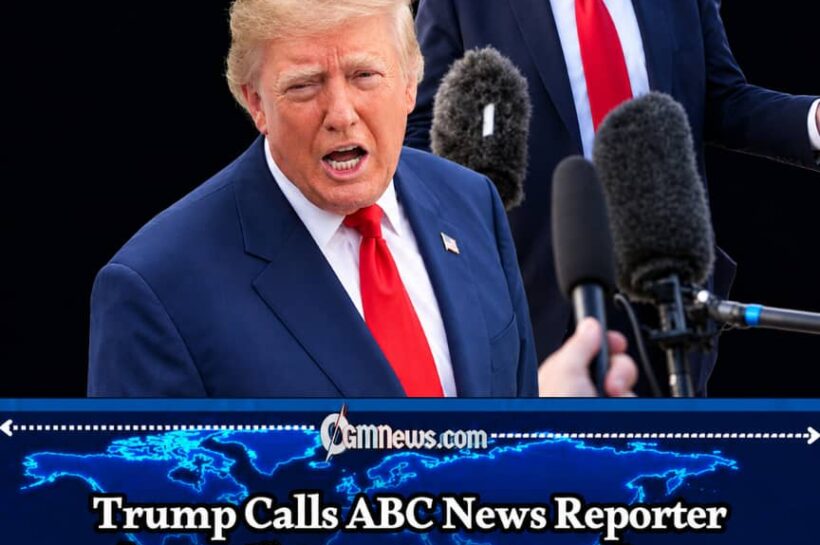






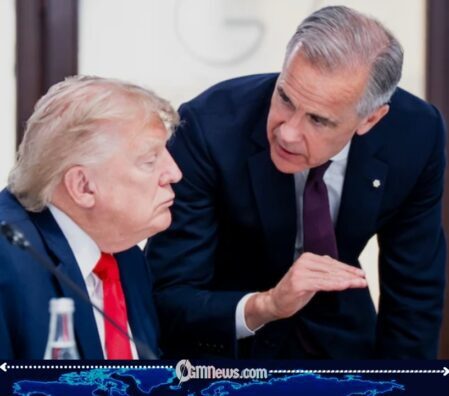
Ottawa and Washington’s decades-long economic friendship has entered a dramatic new chapter after Canadian Prime Minister Mark Carney walked away from trade negotiations with United States President Donald J. Trump, choosing retaliation over a last-minute agreement that once appeared close to completion. The move has transformed a routine economic dispute into a major political test, with both governments now preparing for a battle of tariffs, pressure campaigns, and public opinion.
In what political observers are jokingly calling “the world’s most expensive disagreement over who blinked first,” Carney’s decision has placed Canada directly in the spotlight. The Canadian leader insists that Washington demanded too much while offering too little, while the Trump administration has argued that tougher terms are necessary to protect American interests. With billions in trade at stake, both sides appear ready for a showdown where patience may become the first casualty.
The Deal That Disappeared Overnight
The collapse of the negotiations has shocked many observers because Canada and the United States have spent decades operating as some of the world’s closest economic partners. The two countries have long relied on deep trade connections, shared industries, and supply chains that cross the border daily.
But the latest dispute has turned friendly neighbors into reluctant competitors. Behind closed doors, officials reportedly battled over demands, concessions, and the difficult question of who would absorb the economic pain. In the satirical courtroom of international politics, the accusation appears simple: everyone wants a better deal, but nobody wants to pay for it.
Carney’s choice to suspend talks instead of accepting an agreement has created a political gamble. Supporters praise him for standing firm, while critics warn that ordinary Canadians could eventually feel the effects through higher prices, business uncertainty, and reduced market confidence.
Trump’s Pressure Campaign Meets Carney’s Resistance
President Donald J. Trump has continued pushing for trade policies designed to strengthen American economic power, arguing that tougher negotiations are necessary to secure better outcomes for the United States. The White House’s approach has created tension with several trading partners, and Canada’s response has become one of the most closely watched confrontations.
The satirical version of events suggests both leaders have entered a diplomatic boxing match where neither side wants to throw the first punch but both arrived wearing gloves. The negotiating table that was supposed to deliver a handshake has instead become a stage for political theater, with each government trying to convince citizens that they are the one holding the winning cards.
For Carney, the challenge is not only negotiating with Washington but convincing Canadians that temporary economic difficulties are worth enduring for a stronger final agreement. The coming weeks may determine whether his decision becomes remembered as a bold act of leadership or a costly gamble.
The Carney-Trump trade dispute has become more than a disagreement over tariffs and negotiations; it is now a test of political confidence, economic patience, and international strategy. As both sides search for a possible way back to the negotiating table, OGM News will continue watching the developments closely because the next move could decide whether this trade battle ends with a compromise, a confrontation, or another surprising twist.
Mexican players will love how well this platform handles local payment methods. Deposits via OXXO...