




























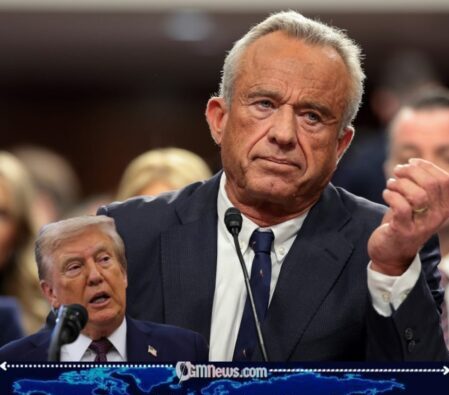
The Trump administration is facing growing criticism after approximately $15 million in federal Alzheimer’s and brain-health research grants were reportedly cancelled at Emory University and the University of Pittsburgh. The affected projects examined how social and environmental factors, including the long-term effects of racism, may influence Alzheimer’s risk and brain health. The cancellations have been linked to the administration’s broader effort to eliminate research it considers connected to diversity, equity and inclusion. Researchers and critics, however, argue that cutting scientifically focused projects because of their subject matter could hinder progress against a disease affecting millions of Americans.
The timing has made the decision particularly striking. The 2026 Alzheimer’s Association Facts and Figures report estimates that 7.4 million Americans aged 65 and older are living with clinical Alzheimer’s dementia, with the number expected to rise substantially as the population ages. Annual care costs for Alzheimer’s and other dementias are also projected to reach $409 billion this year.
Trump Administration Puts Alzheimer’s Research Under the Microscope
The Trump administration has defended its approach to federal research funding as part of a wider effort to change how taxpayer-funded science is conducted. In the cancelled projects, NIH officials reportedly questioned whether some research methods produced sufficiently objective and measurable variables, particularly where researchers relied on self-reported information. Researchers counter that studying social conditions and their relationship to health can be scientifically legitimate and important.
Satirically speaking, Washington has now managed to create an extraordinary scientific question of its own: if millions of people are living with Alzheimer’s, should researchers study the disease—or should they first make sure the disease’s research proposal has the correct political vocabulary? Somewhere in the nation’s laboratories, a scientist may be wondering whether the next grant application should come with a microscope, a statistical analysis and a political dictionary.
Trump Administration’s Research Cuts Trigger a Larger Scientific Debate
The dispute is larger than one group of grants. Alzheimer’s research depends on long-term work examining genetics, biology, environmental exposures, prevention and potential treatments. NIH’s own research infrastructure continues to support Alzheimer’s and related-dementia studies, while current research pipelines include numerous clinical trials aimed at developing better therapies.
That makes the cancelled grants particularly contentious. Scientists are not simply trying to discover whether Alzheimer’s exists; they are attempting to understand why some people develop it, why risks differ between populations and how the disease can be detected and treated earlier. The Alzheimer’s Association estimates that about one in nine Americans aged 65 and older currently has clinical Alzheimer’s dementia.
The Trump administration’s decision therefore places a much larger question before the public: how should the government balance changes in research priorities with the urgent need for scientific work on a disease affecting millions of families? Whether the cancelled grants are restored, challenged or replaced remains an important story to watch. OGM News will continue following the Trump administration’s research policies and their potential consequences for Alzheimer’s science as further developments emerge.



[…] […]