


























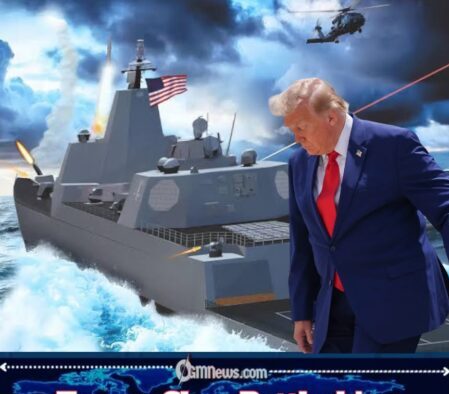
The Trump-class battleships have sailed into the centre of another heated national debate after a new Congressional Budget Office (CBO) analysis estimated that building 15 nuclear-powered vessels could cost approximately $275 billion through 2056. The projection has ignited arguments over military priorities, fiscal responsibility and the future of American naval power. While supporters describe the programme as a bold investment in national security and industrial strength, critics wonder whether the Navy is preparing for tomorrow’s wars—or simply ordering the world’s most expensive floating neighbourhood.
The Ocean Just Received a $275 Billion Reservation
According to the CBO assessment, the first Trump-class battleship could cost substantially more than later vessels because of research, development and first-in-class construction expenses. The report projects that the complete 15-ship programme would require roughly $275 billion, with the Navy planning to introduce a new generation of nuclear-powered surface combatants capable of extended operations and advanced weapons systems. Supporters argue the investment would strengthen America’s naval dominance, modernise the fleet and sustain thousands of highly skilled shipbuilding jobs for decades.
President Donald J. Trump’s administration has consistently promoted a larger and more technologically advanced Navy, describing the Trump-class battleships as a cornerstone of a future “Golden Fleet.” Defence officials maintain that nuclear propulsion offers greater endurance, increased electrical power for next-generation weapons and reduced dependence on conventional fuel supplies. Satirically speaking, the ships may eventually require fewer fuel stops than the average family road trip—but convincing taxpayers about the invoice could prove a much longer voyage.
$275 Billion Fleet Proposal Sparks Fresh Fight Over Defence Spending
The proposal has also intensified discussion about whether such massive warships represent the best use of defence resources. Some defence analysts argue that emerging threats, including drones, cyber warfare and precision missiles, favour smaller, more distributed naval forces rather than increasingly expensive capital ships. Others counter that powerful surface combatants remain essential for deterrence, long-range operations and maintaining America’s global military presence.
The CBO report also notes that the programme would place additional pressure on America’s already stretched shipbuilding industrial base, particularly facilities capable of producing nuclear-powered vessels. Expanding production capacity could itself require significant investment and careful long-term planning. Whether the Trump-class battleships ultimately become symbols of strategic foresight or cautionary tales of ambitious procurement will likely depend on congressional funding decisions, technological progress and future security challenges.
The Trump-class battleships programme is expected to remain under close scrutiny as lawmakers evaluate costs, military needs and industrial capacity. OGM News will continue following developments surrounding the proposal, including budget debates, design updates and congressional decisions that could determine whether these warships become the next flagship of American naval power—or the most closely watched blueprint never fully realised.



Skip a few movie tickets and subscriptions. Own a tool that works for you every...